Locate the place
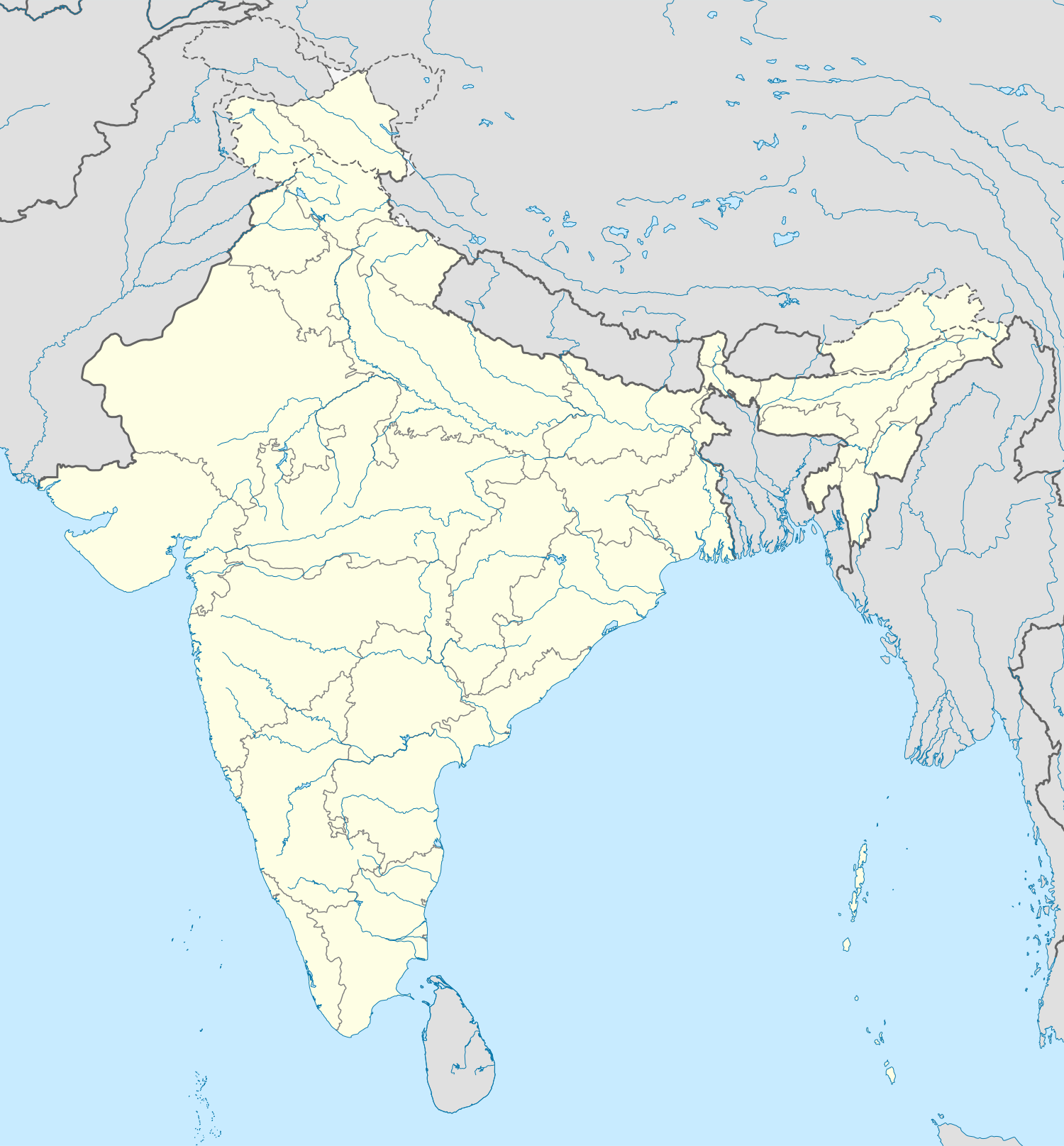 VisakhapatnamAndhra Pradesh
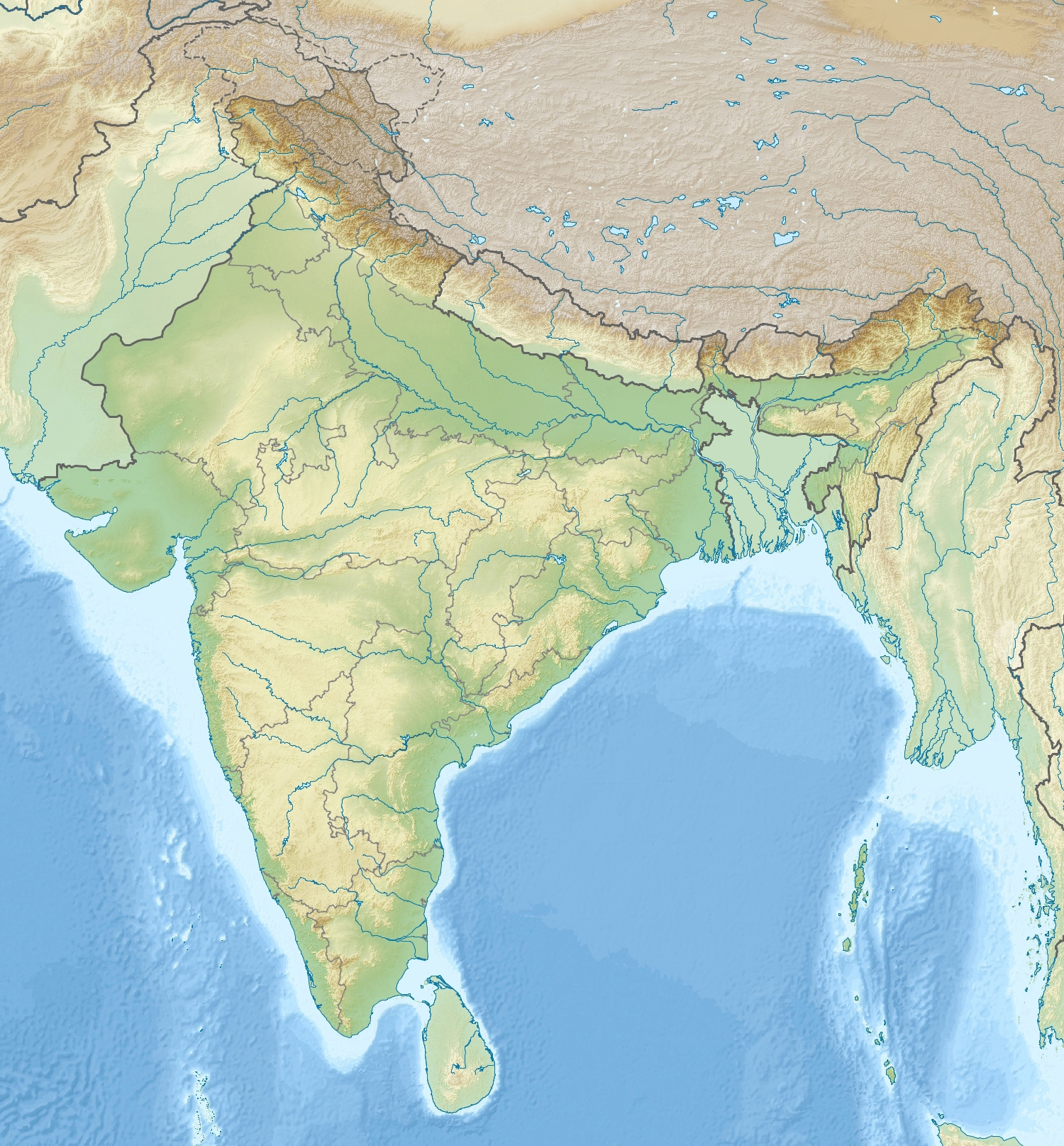 Andhra Pradesh
Marker uses stored geographic coordinates on equirectangular location-map bounds. India map bases: Wikimedia Commons / Uwe Dedering (CC BY-SA 3.0). World political base: public domain; physical world base: Gundan (CC BY-SA 4.0).
📌 Why in News?
The proposed Google AI Data Centre in Visakhapatnam has brought the concept of agrivoltaics into focus as a sustainable solution to meet the rising energy demand of AI infrastructure. Google has announced a US$15 billion investment to establish a 1 GW Artificial Intelligence (AI) Data Centre in Visakhapatnam, Andhra Pradesh. AI data centres require enormous amounts of electricity to power servers, cooling systems and digital infrastructure.
Syllabus & Relevance
Prelims: Science & Technology — institutions, terminology and factual features connected with the development.
Mains: GS-3 — contemporary application of the relevant syllabus theme.
Current–static link: Revise the underlying institution, policy or concept together with this development.
Why it matters for India
Strategic sectors’ energy security: Sustainability fuelled compute infrastructure for India’s quest for AI self-reliance under the IndiaAI Mission, and not fossil fuel-dependent grids.
Alignment with climate commitments: Supports India’s Nationally Determined Contributions and aim of 500 GW non fossil fuel capacity by 2030.
Ensure inclusive planning that protects the land rights of farmers, while enabling India to achieve the twin goals of **AI-**led digital growth and climate-responsible energy transition.
Static Foundation
AI data centres require enormous amounts of electricity to power servers, cooling systems and digital infrastructure.
If this demand is met through the existing electricity grid, it could increase pressure on power supply, reduce electricity availability for agriculture and households, and increase dependence on fossil-fuel-based power generation.
Agrivoltaics, also known as Agri-Photovoltaics (APV), is a land-use system in which agricultural activities and solar power generation are carried out simultaneously on the same piece of land.
Under this system solar panels are installed at a height of about 10–12 feet, allowing farming activities to continue beneath them.
The same land produces food as well as renewable energy, improving land-use efficiency and farm income.
Government Support: PM-KUSUM (Pradhan Mantri Kisan Urja Suraksha evam Utthaan Mahabhiyan) promotes decentralised solar power generation and solarisation of agriculture.
Agrivoltaics can complement PM-KUSUM by enabling farmers to generate electricity without reducing cultivated land.
Data, Reports, Cases & Examples
Google has announced a US$15 billion investment to establish a 1 GW Artificial Intelligence (AI) Data Centre in Visakhapatnam, Andhra Pradesh.
Under this system solar panels are installed at a height of about 10–12 feet, allowing farming activities to continue beneath them.
Strategic sectors’ energy security: Sustainability fuelled compute infrastructure for India’s quest for AI self-reliance under the IndiaAI Mission, and not fossil fuel-dependent grids.
Alignment with climate commitments: Supports India’s Nationally Determined Contributions and aim of 500 GW non fossil fuel capacity by 2030.
Prelims Quick Facts
The proposed Google AI Data Centre in Visakhapatnam has brought the concept of agrivoltaics into focus as a sustainable solution to meet the rising energy demand of AI infrastructure.
Google has announced a US$15 billion investment to establish a 1 GW Artificial Intelligence (AI) Data Centre in Visakhapatnam, Andhra Pradesh.
AI data centres require enormous amounts of electricity to power servers, cooling systems and digital infrastructure.
If this demand is met through the existing electricity grid, it could increase pressure on power supply, reduce electricity availability for agriculture and households, and increase dependence on fossil-fuel-based power generation.
Agrivoltaics, also known as Agri-Photovoltaics (APV), is a land-use system in which agricultural activities and solar power generation are carried out simultaneously on the same piece of land.
Under this system solar panels are installed at a height of about 10–12 feet, allowing farming activities to continue beneath them.
The same land produces food as well as renewable energy, improving land-use efficiency and farm income.
Government Support: PM-KUSUM (Pradhan Mantri Kisan Urja Suraksha evam Utthaan Mahabhiyan) promotes decentralised solar power generation and solarisation of agriculture.
Mains-only layer✍️ Open Mains Perspective & Answer FrameworkClick to expand ↓
Mains Perspective
Background and key dimensions
- Agrivoltaics, also known as Agri-Photovoltaics (APV), is a land-use system in which agricultural activities and solar power generation are carried out simultaneously on the same piece of land.
- Under this system solar panels are installed at a height of about 10–12 feet, allowing farming activities to continue beneath them.
- The same land produces food as well as renewable energy, improving land-use efficiency and farm income.
- Government Support: PM-KUSUM (Pradhan Mantri Kisan Urja Suraksha evam Utthaan Mahabhiyan) promotes decentralised solar power generation and solarisation of agriculture.
- Agrivoltaics can complement PM-KUSUM by enabling farmers to generate electricity without reducing cultivated land.
- Dual income for farmers: Farmers earn from land lease or power sale alongside crop revenue, improving rural income stability.
- For example, pilot agrivoltaic projects by National Institute of Wind Energy (NIWE) and IIT Bombay have shown yield benefits for shade tolerant crops.
- Microclimate benefits: The panels provide partial shadowing, which helps to reduce evapotranspiration and loss of soil moisture, therefore aiding water-stressed regions and enhancing climate resilience.
- Strategic sectors’ energy security: Sustainability fuelled compute infrastructure for India’s quest for AI self-reliance under the IndiaAI Mission, and not fossil fuel-dependent grids.
- Land use efficiency: Research suggests agrivoltaic systems can generate a greater combined land equivalent ratio than either separate solar or separate farming.
- Alignment with climate commitments: Supports India’s Nationally Determined Contributions and aim of 500 GW non fossil fuel capacity by 2030.
- High capital costs for elevated mounting structures as compared to traditional ground mounted solar.
Analytical use
- Connect the development with its institutional, policy, economic, social, environmental or security implications only where supported above.
- In a Mains answer, separate the verified development from broader evaluation and use the named evidence precisely.
Way forward
- Base recommendations on the gaps and institutional responsibilities identified in the source-grounded points.
Answer Framework
Introduction
Begin with the immediate development and identify the central institution or policy issue.
Body
- Explain the relevant static concept.
- Present the principal source-backed facts.
- Analyse significance for India and the syllabus theme.
- Discuss supported challenges or implementation gaps.
- Use one named law, report, institution, date or example from the evidence box.
Conclusion
End with a balanced, institutionally feasible way forward without making claims beyond the available evidence.
Possible Mains Question
Examine the significance of “Agrivoltaics: Powering AI Infrastructure Sustainably”. Discuss its key implications and the way forward.