Locate the place
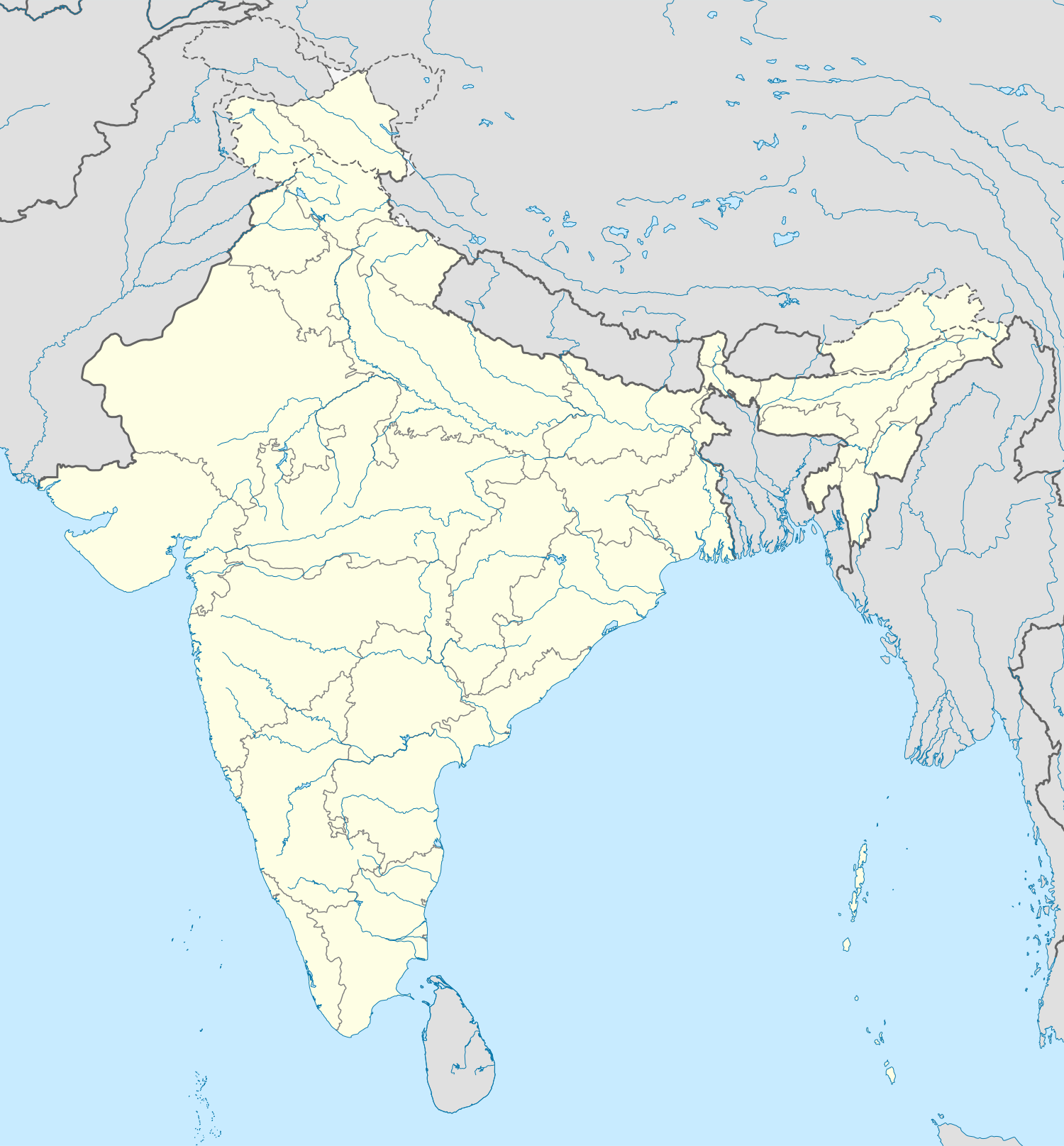 Haryana
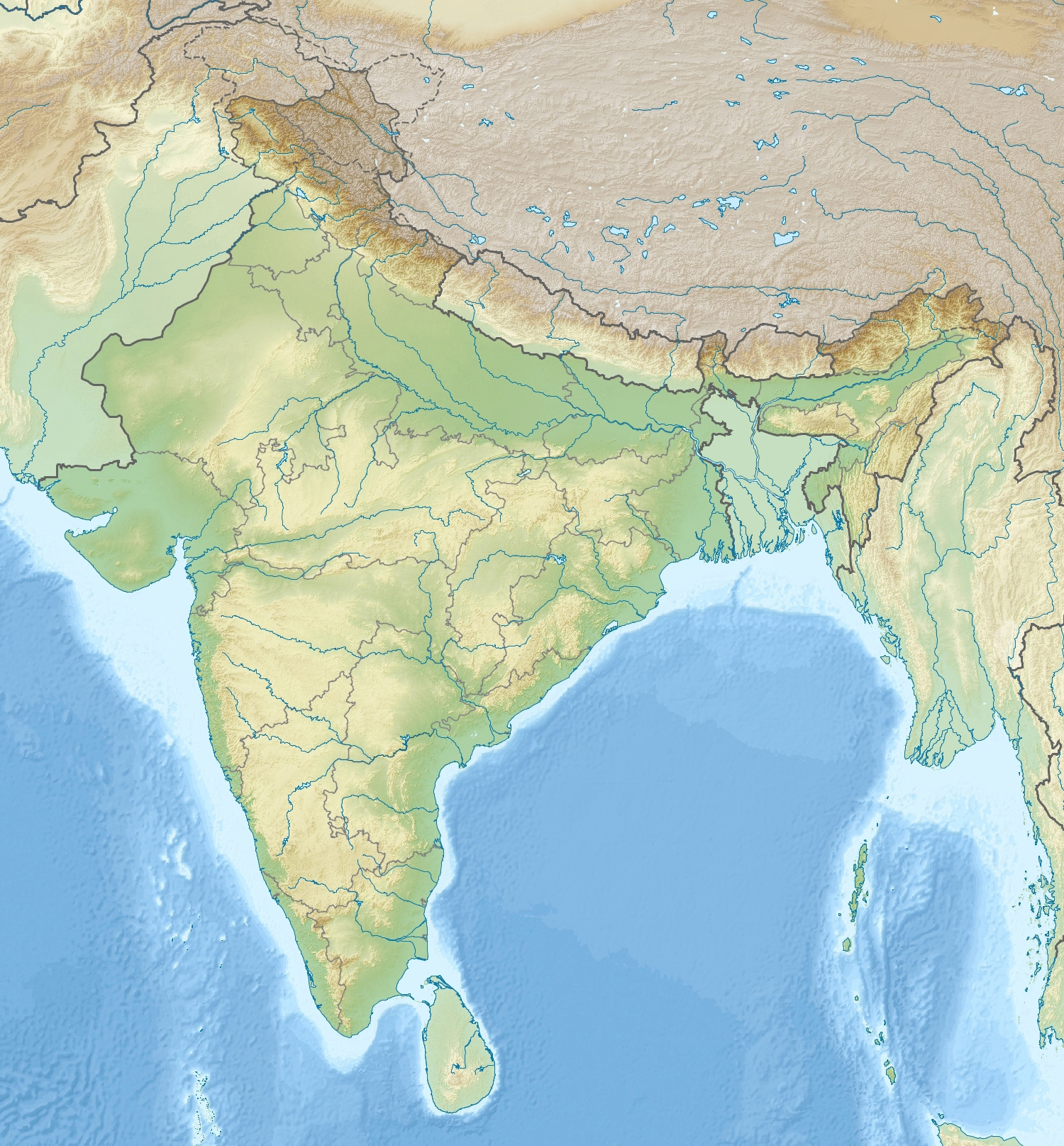 Haryana
Marker uses stored geographic coordinates on equirectangular location-map bounds. India map bases: Wikimedia Commons / Uwe Dedering (CC BY-SA 3.0). World political base: public domain; physical world base: Gundan (CC BY-SA 4.0).
📌 Why in News?
The Union Ministry of Finance informed Parliament that Haryana recorded the third-highest number of financial fraud cases in India over the past three financial years, following Maharashtra and Delhi. This disclosure underlines the rising scale of cyber-enabled economic offenses across the country, prompting a closer look at institutional reporting mechanisms, state-level recovery rates, and enforcement strategies deployed by bodies like the Indian Cyber Crime Coordination Centre.
Syllabus & Relevance
Prelims: Indian Economy and Banking, Government Schemes and Portals, Internal Security (Cyber Crime).
GS Paper III: Banking, Digital Payments & Financial Inclusion; Cyber Security and Cyber Crime; Digital Governance and FinTech Regulation.
Current-Static Link: Linking digital payment penetration with emerging economic vulnerabilities and cyber policing frameworks.
Why it matters for India
As India rapidly transitions toward a digital-first economy powered by UPI, digital banking, and widespread financial inclusion, financial frauds pose a systemic threat to citizen savings, public trust in banking channels, and overall macroeconomic stability.
Understanding state-level crime burdens and recovery efficiencies is vital for shaping targeted internal security and regulatory interventions.
Static Foundation
Financial fraud involves deliberate deception, manipulation, or unauthorized transactions to illegally obtain money or financial assets through banking systems, digital payments, UPI, credit/debit cards, loans, or other financial instruments.
The Indian Cyber Crime Coordination Centre (I4C) operates under the Ministry of Home Affairs to provide a framework and ecosystem for law enforcement agencies to deal with cyber crime comprehensively.
The National Cyber Crime Reporting Portal serves as the central digital platform for citizens to report all types of cyber crimes, with a special focus on cyber-enabled financial frauds.
The I4C Money Restoration Module is designed to facilitate quick freezing and restoration of defrauded funds to victims.
The Samanvaya Portal aids law enforcement coordination, achieving high disposal rates for cyber complaints.
The e-Zero FIR system enables swift registration of cyber crime complaints exceeding specific financial thresholds.
Data, Reports, Cases & Examples
Haryana ranked 3rd in financial fraud cases in India, reporting 84,378 cases involving ₹1,336.40 crore during the period spanning FY 2023–24 to FY 2025–26.
Maharashtra recorded the highest fraud value in the country at ₹1.20 lakh crore.
Delhi followed Maharashtra as the second-highest state/UT for financial fraud.
Tamil Nadu ranked 4th and Uttar Pradesh ranked 5th in financial fraud cases.
Haryana successfully restored funds in 38% of cyber fraud cases through the I4C Money Restoration Module.
Haryana's fund restoration rate of 38% is significantly higher than the national average of 8%.
Prelims Quick Facts
Haryana's rank: Haryana recorded the third-highest number of financial fraud cases in India over the past three financial years.
Top states by value: Maharashtra recorded the highest fraud value (₹1.20 lakh crore), followed by Delhi.
State rankings: Tamil Nadu ranked fourth and Uttar Pradesh ranked fifth.
Volume and value in Haryana: 84,378 cases involving ₹1,336.40 crore were reported from FY 2023–24 to FY 2025–26.
Recovery performance: Haryana restored funds in 38% of cyber fraud cases compared to the national average of 8%.
Disposal and FIRs: Haryana achieved a 97% disposal rate on the Samanvaya Portal and implemented the e-Zero FIR system for complaints above ₹1 lakh.
Trap: Do not confuse Haryana's third rank in case volume with having the highest financial fraud value nationwide, which belongs to Maharashtra.
Mains-only layer✍️ Open Mains Perspective & Answer FrameworkClick to expand ↓
Mains Perspective
Background
The exponential expansion of digital payments, UPI adoption, and online financial services in India has unlocked unprecedented economic efficiencies and financial inclusion. However, this digital shift has been accompanied by a surge in sophisticated cyber-enabled financial frauds. Parliament disclosures by the Union Ministry of Finance have cast light on the geographical distribution and systemic gravity of these economic crimes.
Significance
Analyzing state-wise financial fraud trends is essential for mapping vulnerabilities across India's digital corridors. High-value economic hubs like Maharashtra and Delhi, alongside high-case-volume states like Haryana, demonstrate that cyber crime respects no geographic boundaries. Efficient tracing, quick reporting, and robust recovery mechanisms are critical to safeguarding citizen wealth and maintaining confidence in digital banking.
India-specific Implications
For a nation championing digital public infrastructure (DPI), rampant financial fraud threatens the bedrock of digital empowerment. Lower-income groups and vulnerable citizens are particularly susceptible to digital banking scams. Bridging state-level performance gaps—such as lifting the national fund restoration average from 8% toward higher benchmarks like Haryana's 38%—is paramount for equitable financial security.
Challenges and Criticisms
Despite technological interventions like the National Cyber Crime Reporting Portal and specialized modules, law enforcement agencies face severe challenges regarding jurisdictional boundaries, encrypted communications, mule bank accounts, and transnational cyber syndicates. Varied implementation speeds across states further hinder uniform protection for citizens.
Way Forward
Strengthening cyber policing requires deepening institutional coordination through platforms like the Samanvaya Portal, expanding the deployment of the I4C Money Restoration Module nationwide, scaling e-Zero FIR systems for faster grievance redressal, and conducting intensive digital literacy campaigns to prevent fraud at the user interface level.
Answer Framework
Introduction: Briefly introduce the rising trend of financial frauds in India's digital economy, citing the recent Ministry of Finance data presented in Parliament regarding state-wise rankings. Body: Examine the key findings, including case volumes and monetary values in states like Maharashtra, Delhi, and Haryana. Detail the role of institutional tools such as the I4C Money Restoration Module, Samanvaya Portal, and e-Zero FIR systems in combating economic offenses. Discuss challenges related to recovery rates and inter-state enforcement
Conclusion
Emphasize the necessity of a coordinated multi-stakeholder strategy involving robust cyber policing, real-time banking intelligence, and proactive citizen awareness to secure India's digital financial ecosystem.
Possible Mains Question
Examine the rising trends of financial fraud cases in India and discuss the institutional mechanisms required to strengthen cyber policing and fund recovery in the digital economy.