Locate the place
 India
India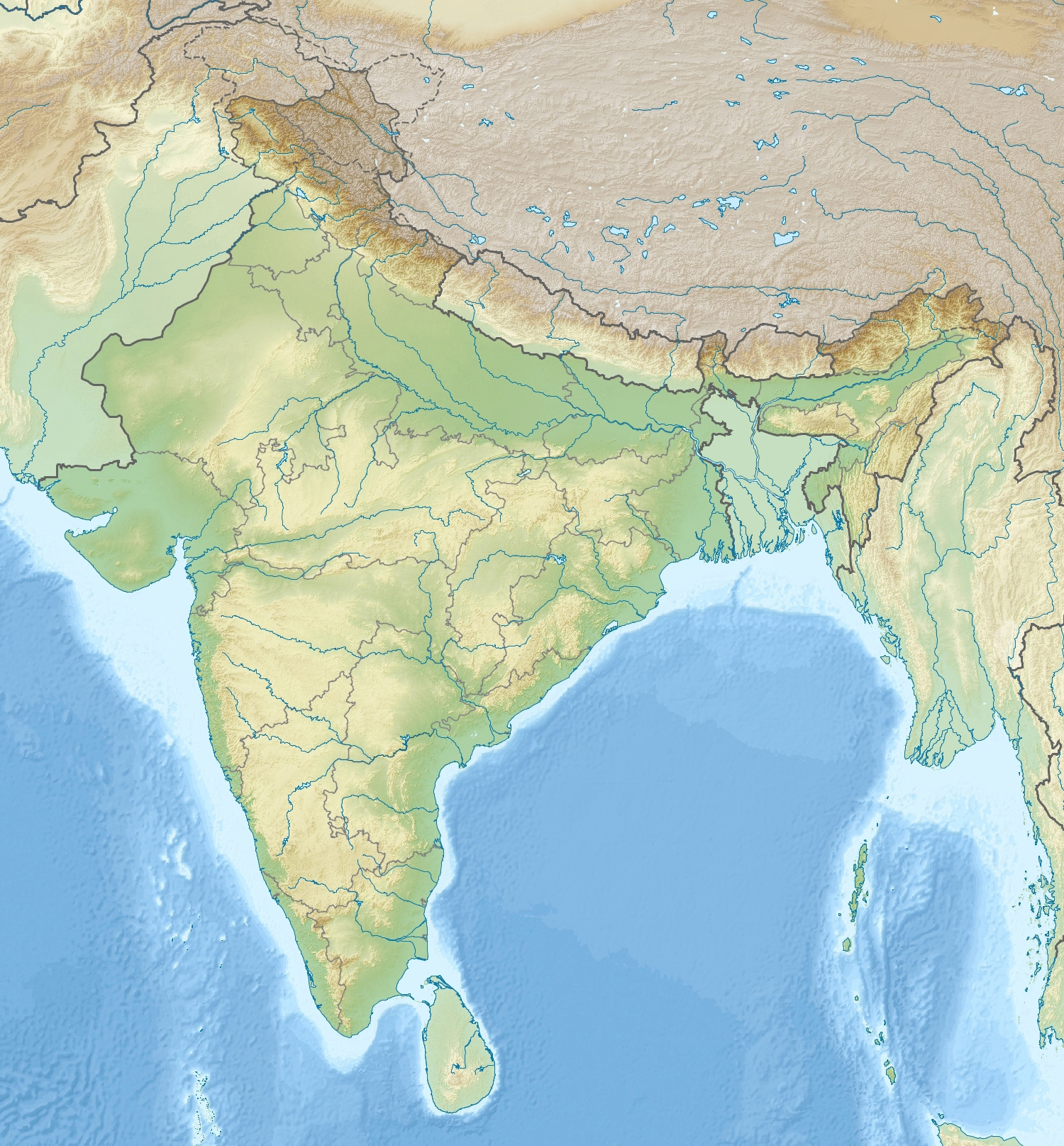 India
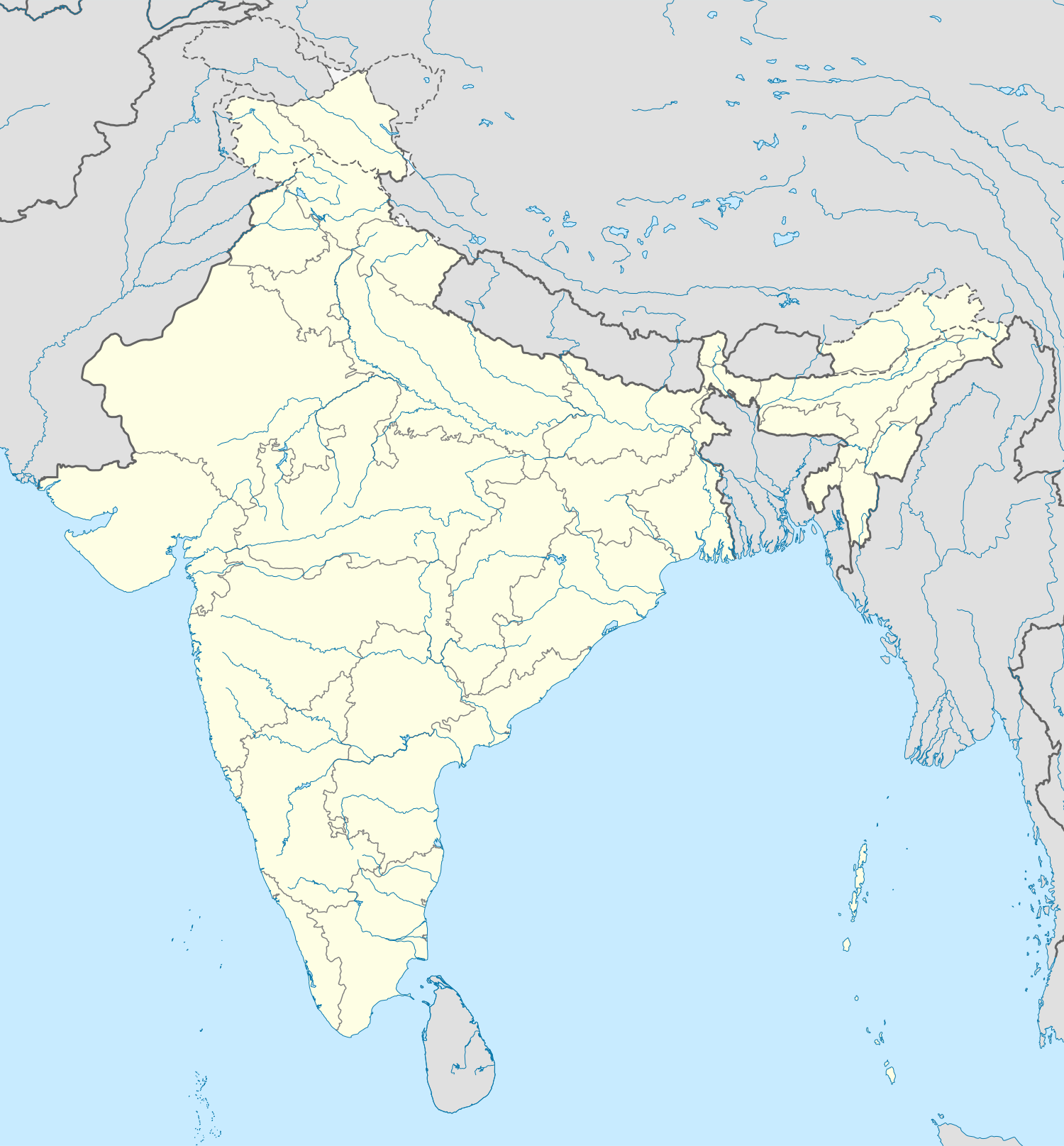
IndiaMarker uses stored geographic coordinates on equirectangular location-map bounds. India map bases: Wikimedia Commons / Uwe Dedering (CC BY-SA 3.0). World political base: public domain; physical world base: Gundan (CC BY-SA 4.0).
📌 Why in News?
Anecdote: When Squadron Leader Bhawana Kanth walked out of the Tactics and Air Combat Development Establishment (TACDE), Gwalior, wearing the coveted Fighter Combat Leader (FCL) badge, she was not merely celebrating another qualification—she was rewriting the story of possibility. The FCL course is among the Indian Air Force’s toughest professional milestones, completed by only a select few fighter pilots entrusted with shaping combat tactics for frontline squadrons. A decade earlier, in 2016, Bhawana Kanth had entered the Air Force as one of India’s first three women fighter pilots after the combat stream was opened to women on an experimental basis.
Syllabus & Relevance
Prelims: Defence & Security — institutions, terminology and factual features connected with the development.
Mains: GS-3 — contemporary application of the relevant syllabus theme.
Current–static link: Revise the underlying institution, policy or concept together with this development.
Why it matters for India
The FCL course is among the Indian Air Force’s toughest professional milestones, completed by only a select few fighter pilots entrusted with shaping combat tactics for frontline squadrons.
A decade earlier, in 2016, Bhawana Kanth had entered the Air Force as one of India’s first three women fighter pilots after the combat stream was opened to women on an experimental basis.
In 2019, she became the first Indian woman qualified to undertake day fighter combat missions, breaking another long-standing barrier.
Yet, instead of resting on those achievements, she continued to master increasingly demanding operational responsibilities, eventually earning the distinction of becoming India’s first woman Fighter Combat Leader.
Static Foundation
A decade earlier, in 2016, Bhawana Kanth had entered the Air Force as one of India’s first three women fighter pilots after the combat stream was opened to women on an experimental basis.
In 2019, she became the first Indian woman qualified to undertake day fighter combat missions, breaking another long-standing barrier.
Yet, instead of resting on those achievements, she continued to master increasingly demanding operational responsibilities, eventually earning the distinction of becoming India’s first woman Fighter Combat Leader.
Her journey illustrates that pioneering is not about achieving a single first but about consistently proving excellence at every stage.
It reflects the values of perseverance, professional competence, courage under pressure, and lifelong learning.
More importantly, her achievement expands opportunities for countless young women aspiring to serve in combat roles.
Bhawana Kanth’s story reminds us that when institutions embrace merit over stereotypes, individual success becomes a catalyst for national transformation.
Data, Reports, Cases & Examples
A decade earlier, in 2016, Bhawana Kanth had entered the Air Force as one of India’s first three women fighter pilots after the combat stream was opened to women on an experimental basis.
In 2019, she became the first Indian woman qualified to undertake day fighter combat missions, breaking another long-standing barrier.
Prelims Quick Facts
Anecdote: When Squadron Leader Bhawana Kanth walked out of the Tactics and Air Combat Development Establishment (TACDE), Gwalior, wearing the coveted Fighter Combat Leader (FCL) badge, she was not merely celebrating another qualification—she was rewriting the story of possibility.
The FCL course is among the Indian Air Force’s toughest professional milestones, completed by only a select few fighter pilots entrusted with shaping combat tactics for frontline squadrons.
A decade earlier, in 2016, Bhawana Kanth had entered the Air Force as one of India’s first three women fighter pilots after the combat stream was opened to women on an experimental basis.
In 2019, she became the first Indian woman qualified to undertake day fighter combat missions, breaking another long-standing barrier.
Yet, instead of resting on those achievements, she continued to master increasingly demanding operational responsibilities, eventually earning the distinction of becoming India’s first woman Fighter Combat Leader.
Her journey illustrates that pioneering is not about achieving a single first but about consistently proving excellence at every stage.
It reflects the values of perseverance, professional competence, courage under pressure, and lifelong learning.
More importantly, her achievement expands opportunities for countless young women aspiring to serve in combat roles.
Mains-only layer✍️ Open Mains Perspective & Answer FrameworkClick to expand ↓
Mains Perspective
Background and key dimensions
- Yet, instead of resting on those achievements, she continued to master increasingly demanding operational responsibilities, eventually earning the distinction of becoming India’s first woman Fighter Combat Leader.
- Her journey illustrates that pioneering is not about achieving a single first but about consistently proving excellence at every stage.
- It reflects the values of perseverance, professional competence, courage under pressure, and lifelong learning.
- More importantly, her achievement expands opportunities for countless young women aspiring to serve in combat roles.
- Bhawana Kanth’s story reminds us that when institutions embrace merit over stereotypes, individual success becomes a catalyst for national transformation.
- GS Paper III: Defence and Security
- Modernisation of defence forces, military preparedness, human resource development in the armed forces.
- GS Paper IV (Ethics): Values of courage, perseverance, professionalism, leadership, dedication to duty, gender equality, and excellence in public service.
Analytical use
- Connect the development with its institutional, policy, economic, social, environmental or security implications only where supported above.
- In a Mains answer, separate the verified development from broader evaluation and use the named evidence precisely.
Way forward
- Base recommendations on the gaps and institutional responsibilities identified in the source-grounded points.
Answer Framework
Introduction
Begin with the immediate development and identify the central institution or policy issue.
Body
- Explain the relevant static concept.
- Present the principal source-backed facts.
- Analyse significance for India and the syllabus theme.
- Discuss supported challenges or implementation gaps.
- Use one named law, report, institution, date or example from the evidence box.
Conclusion
End with a balanced, institutionally feasible way forward without making claims beyond the available evidence.
Possible Mains Question
Examine the significance of “Bhawana Kanth Becomes India's First Woman Fighter Combat Leader”. Discuss its key implications and the way forward.