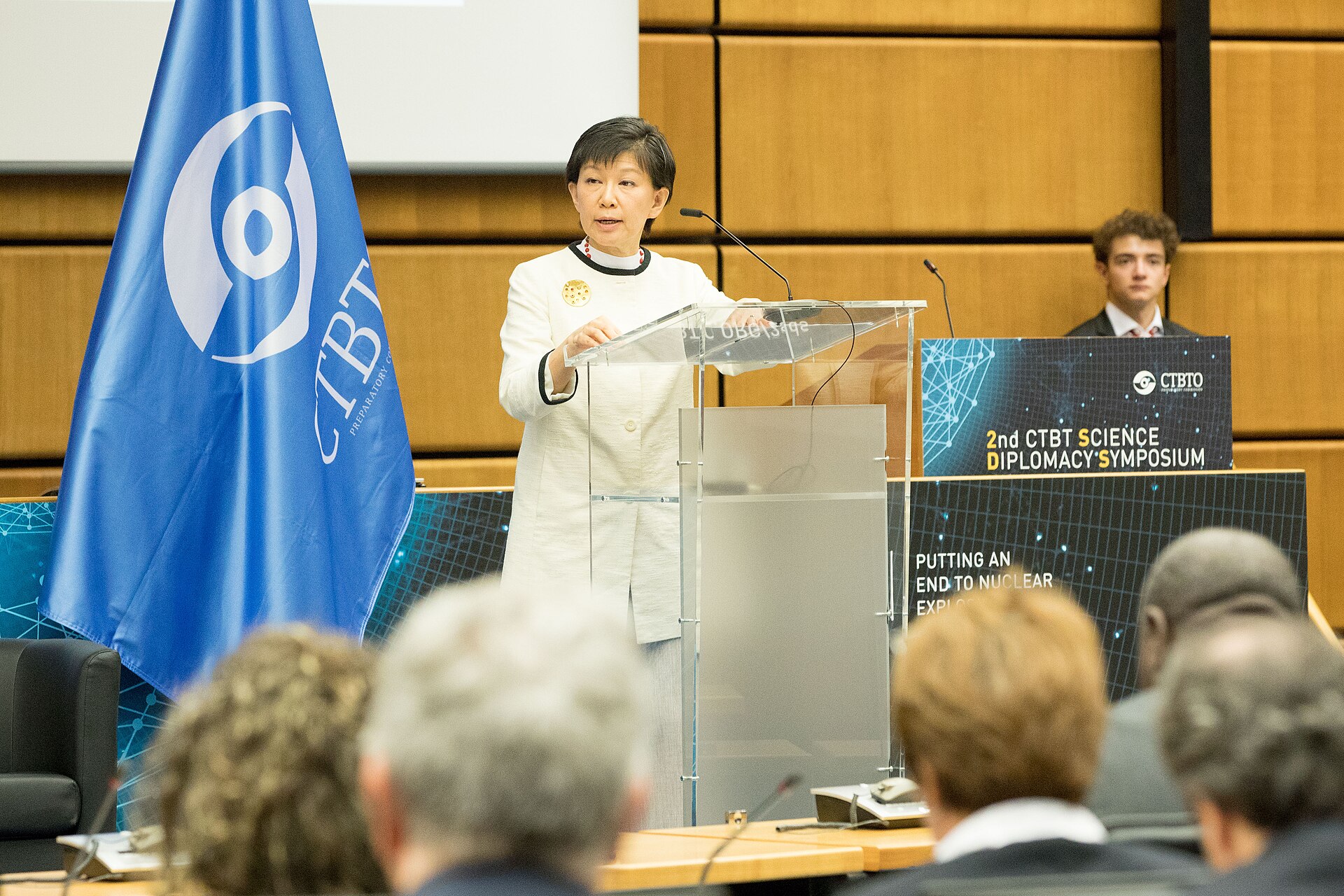
Locate the place
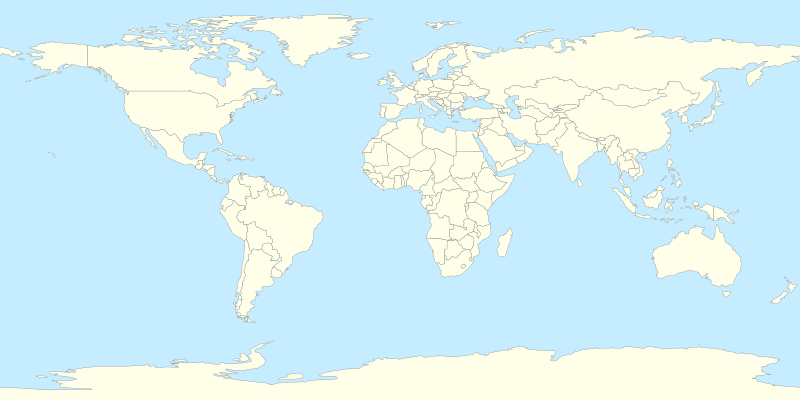 Danube RiverTürkiyeGreeceUkraine
 Ukraine
Marker uses stored geographic coordinates on equirectangular location-map bounds. India map bases: Wikimedia Commons / Uwe Dedering (CC BY-SA 3.0). World political base: public domain; physical world base: Gundan (CC BY-SA 4.0).
📌 Why in News?
Russia’s S8000 Banderol has emerged as a new low-cost strike weapon reportedly being used against targets in Ukraine, particularly around the Odesa/Black Sea region. Recent reports indicate growing use of the missile and possible development of ground-based launch capability. Banderol (S8000) is a Russian cruise missile designed as a relatively inexpensive long-range precision-strike weapon.
Syllabus & Relevance
Prelims: Science & Technology — institutions, terminology and factual features connected with the development.
Mains: GS-3 — contemporary application of the relevant syllabus theme.
Current–static link: Revise the underlying institution, policy or concept together with this development.
Why it matters for India
The Indian Air Force (IAF) concluded the third edition of Exercise ROTOR CLAP III at the Pokhran Field Firing Range, Jaisalmer, Rajasthan.
The topic can also be linked with India’s broader counter-drone architecture and indigenous defence technology.
Static Foundation
Banderol (S8000) is a Russian cruise missile designed as a relatively inexpensive long-range precision-strike weapon.
It has been associated with the Inokhodets (Orion) UAV, from which it can be air-launched.
Its low-cost design allows Russia to potentially employ it in larger numbers, placing additional pressure on sophisticated air-defence systems.
Reports also indicate development/use of mobile ground-based launchers, potentially expanding its deployment flexibility.
A cruise missile is an unmanned, self-propelled guided weapon that generally flies through the atmosphere using aerodynamic lift for most of its trajectory.
Unlike a ballistic missile, it does not follow a predominantly ballistic trajectory.
UPSC may test the cruise missile–ballistic missile distinction, launch platforms and the role of UAVs in modern warfare.
Data, Reports, Cases & Examples
Russia’s S8000 Banderol has emerged as a new low-cost strike weapon reportedly being used against targets in Ukraine, particularly around the Odesa/Black Sea region.
Banderol (S8000) is a Russian cruise missile designed as a relatively inexpensive long-range precision-strike weapon.
Prelims Quick Facts
Russia’s S8000 Banderol has emerged as a new low-cost strike weapon reportedly being used against targets in Ukraine, particularly around the Odesa/Black Sea region.
Recent reports indicate growing use of the missile and possible development of ground-based launch capability.
Banderol (S8000) is a Russian cruise missile designed as a relatively inexpensive long-range precision-strike weapon.
It has been associated with the Inokhodets (Orion) UAV, from which it can be air-launched.
Its low-cost design allows Russia to potentially employ it in larger numbers, placing additional pressure on sophisticated air-defence systems.
Reports also indicate development/use of mobile ground-based launchers, potentially expanding its deployment flexibility.
A cruise missile is an unmanned, self-propelled guided weapon that generally flies through the atmosphere using aerodynamic lift for most of its trajectory.
Unlike a ballistic missile, it does not follow a predominantly ballistic trajectory.
Mains-only layer✍️ Open Mains Perspective & Answer FrameworkClick to expand ↓
Mains Perspective
Background and key dimensions
- Its low-cost design allows Russia to potentially employ it in larger numbers, placing additional pressure on sophisticated air-defence systems.
- Reports also indicate development/use of mobile ground-based launchers, potentially expanding its deployment flexibility.
- A cruise missile is an unmanned, self-propelled guided weapon that generally flies through the atmosphere using aerodynamic lift for most of its trajectory.
- Unlike a ballistic missile, it does not follow a predominantly ballistic trajectory.
- UPSC may test the cruise missile–ballistic missile distinction, launch platforms and the role of UAVs in modern warfare.
- The Banderol also illustrates the emerging “mass versus expensive interception” challenge, where relatively inexpensive offensive systems can impose disproportionate costs on sophisticated air-defence networks.
- The Indian Air Force (IAF) concluded the third edition of Exercise ROTOR CLAP III at the Pokhran Field Firing Range, Jaisalmer, Rajasthan.
- The week-long specialised exercise focused on strengthening rotary-wing platforms against drone threats.
- ROTOR CLAP III is a specialised helicopter exercise conducted by the IAF.
- Theme: Counter-Unmanned Aerial Systems (Counter-UAS).
- It focuses on developing operational concepts for detecting, tracking and neutralising hostile drones.
- Helicopter units practised responses against emerging low-cost and asymmetric aerial threats.
Analytical use
- Connect the development with its institutional, policy, economic, social, environmental or security implications only where supported above.
- In a Mains answer, separate the verified development from broader evaluation and use the named evidence precisely.
Way forward
- Base recommendations on the gaps and institutional responsibilities identified in the source-grounded points.
Answer Framework
Introduction
Begin with the immediate development and identify the central institution or policy issue.
Body
- Explain the relevant static concept.
- Present the principal source-backed facts.
- Analyse significance for India and the syllabus theme.
- Discuss supported challenges or implementation gaps.
- Use one named law, report, institution, date or example from the evidence box.
Conclusion
End with a balanced, institutionally feasible way forward without making claims beyond the available evidence.
Possible Mains Question
Examine the significance of “Defence & Security / Science & Technology”. Discuss its key implications and the way forward.