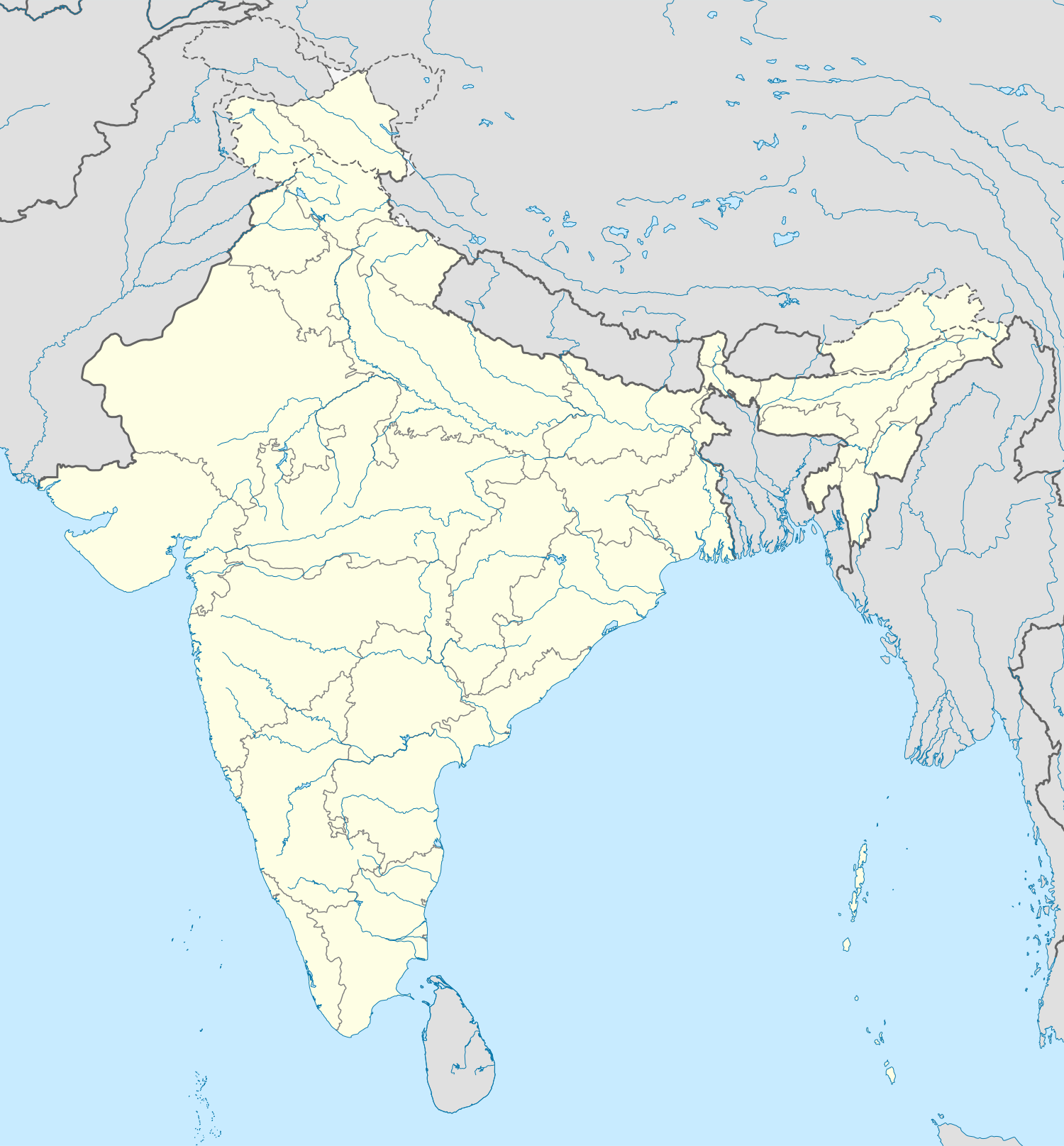
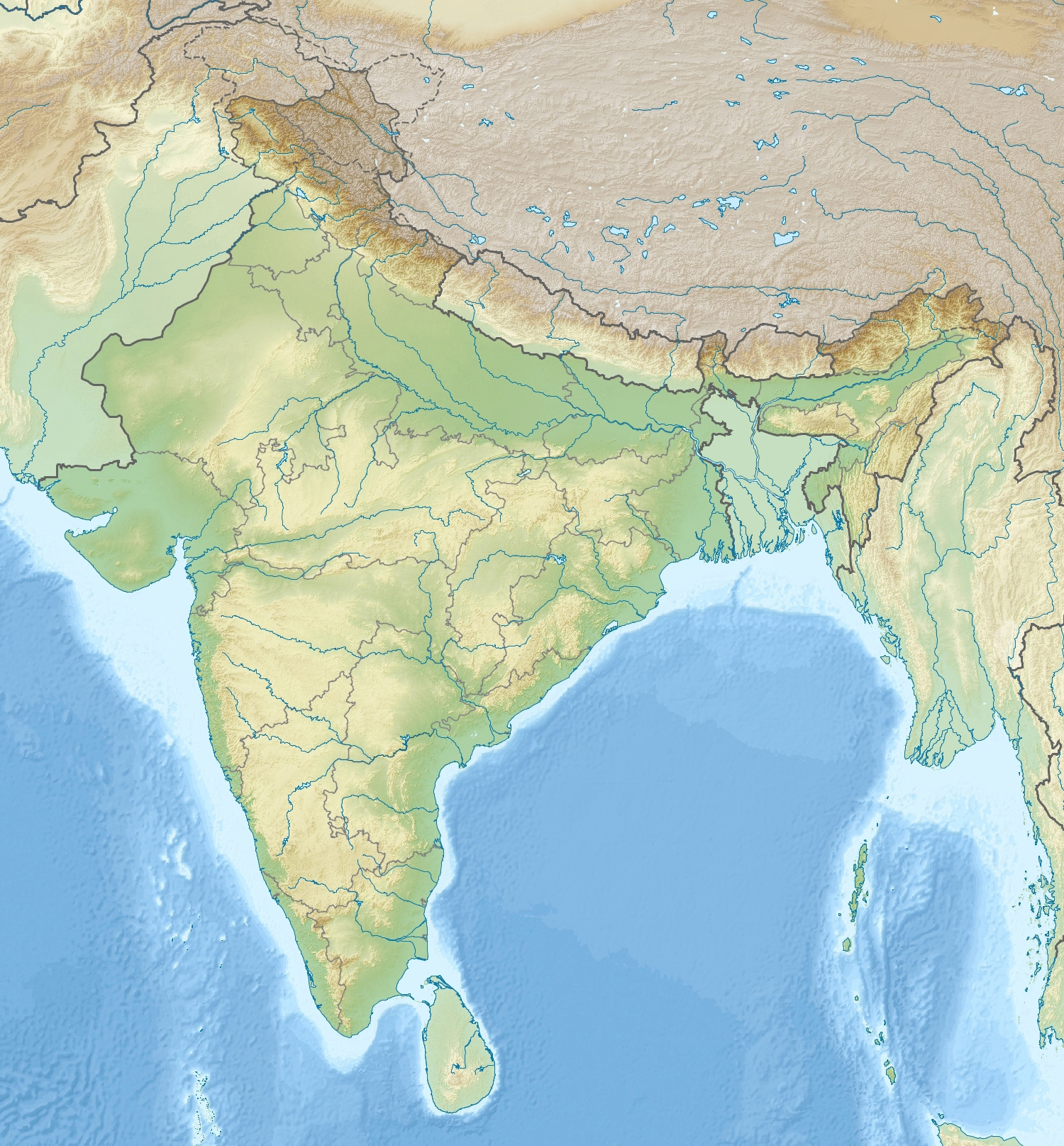
Locate the place
 KonarkPuriOdisha
 MahanadiChilika LakeOdisha
Marker uses stored geographic coordinates on equirectangular location-map bounds. India map bases: Wikimedia Commons / Uwe Dedering (CC BY-SA 3.0). World political base: public domain; physical world base: Gundan (CC BY-SA 4.0).
📌 Why in News?
India successfully test-fired the Agni-IV ballistic missile on 6 August 2026 from the Integrated Test Range, Chandipur, Odisha. Simultaneously, the Union Cabinet approved the GOBARdhan National Circular **Bioenergy Scheme **with a ₹23,731 crore outlay on 6 August 2026. Other major recent developments include the University of Hyderabad securing a patent for the solid rocket propellant material HYDERACENE in July 2026, the conclusion of the Indian Air Force's Exercise ROTOR CLAP III in Pokhran, Rajasthan, Russia's deployment of the S8000 Banderol cruise missile in Ukraine, and governance discussions surrounding the implementation of new labor codes through a conversational AI interface known as a Labour Box.
Syllabus & Relevance
Prelims Domain: Current events of national and international importance, Science and Technology, Environment and Ecology, Government Schemes.
Mains GS-3: Major crops cropping patterns, infrastructure, energy, conservation, science and technology-indigenization, security challenges and defense technology.
Mains GS-2: Governance, labor reforms, social security.
Why it matters for India
These developments directly impact India's strategic defense posture, indigenous manufacturing, energy security (by reducing dependence on foreign natural gas where 55-60% of LNG transits the vulnerable Strait of Hormuz), and administrative governance of labor rights.
Static Foundation
Ballistic missiles follow a trajectory governed substantially by gravity after powered phase, unlike cruise missiles which fly using aerodynamic lift.
Solid propellants use a binder to hold ingredients together and a burn-rate catalyst to control combustion speed.
Circular bioeconomy converts agricultural waste, cattle dung, and municipal organic waste into clean energy and organic manure.
Counter-Unmanned Aerial Systems (Counter-UAS) involve technologies to detect, track, and neutralise hostile drones.
Labor codes seek to shift protection from the workplace to the worker, expanding social security to organised and unorganised sectors.
Data, Reports, Cases & Examples
Agni-IV Range: Approximately 4,000 km; two-stage solid-fuel surface-to-surface ballistic missile.
GOBARdhan Outlay: ₹23,731 crore approved on 6 August 2026 for FY 2026-27 to FY 2035-36.
GOBARdhan Targets: 10× CBG production growth, ₹40,000 crore forex savings, ₹75,000+ crore GDP addition, 1.5 lakh jobs, and 40+ MT CO₂ reduction.
CBG Obligation Trajectory: 3% in FY 2026-27, 4% in FY 2027-28, and 5% from FY 2028-29 onwards in CNG and PNG domestic segments.
CBG Administered Price: ₹2,110 per MMBTU (approximately ₹105 per kg) for a minimum of 10 years.
GOBARdhan Capital Assistance: Up to ₹2 crore per ton per day (TPD) of installed capacity; Credit guarantee support up to 85% on eligible MSME loans.
Prelims Quick Facts
Agni-IV is a medium/intermediate-range surface-to-surface ballistic missile developed by DRDO and deployed by the Strategic Forces Command (SFC) with a range of 4,000 km.
HYDERACENE (Ferrocene Polyethylene Glycidyl Grafted Hydroxyl-Terminated Polybutadiene) developed by the University of Hyderabad acts as both a binder and a burn-rate catalyst.
GOBARdhan Scheme is consolidated under the Ministry of Petroleum and Natural Gas (MoPNG).
Exercise ROTOR CLAP III is a specialised rotary-wing exercise conducted by the Indian Air Force focusing on Counter-UAS at the Pokhran Field Firing Range.
Banderol (S8000) is a low-cost Russian cruise missile associated with the Inokhodets (Orion) UAV.
Prelims Trap: Ballistic missiles do not use aerodynamic lift for their entire trajectory like cruise missiles; instead, their flight is governed substantially by gravity after the powered phase.
Prelims Trap: HYDERACENE replaces imported materials like BUTACENE from Europe, not domestic substitutes.
Mains-only layer✍️ Open Mains Perspective & Answer FrameworkClick to expand ↓
Mains Perspective
Background
India's recent defence and energy policy moves reflect an intensified push towards indigenization, strategic deterrence, and circular bioeconomy. The successful test of the Agni-IV missile by the Strategic Forces Command reinforces India's nuclear deterrence capability, while technological breakthroughs like HYDERACENE aim to reduce foreign dependencies in solid propellants. Simultaneously, geopolitical vulnerabilities—such as the transit of 55-60% of India's LNG through the Strait of Hormuz—have prompted a massive structural push toward compressed biogas (CBG) via GOBARdhan. In parallel, administrative reforms like the new labor codes require modern digital solutions such as an **AI-**powered 'Labour Box' to ensure that universal entitlements translate into accessible rights for workers.
Significance
Indigenisation initiatives like HYDERACENE and GOBARdhan reduce import bills, save foreign exchange (projected at ₹40,000 crore for GOBARdhan), and enhance supply chain resilience. The GOBARdhan scheme's synchronized growth engines—including assured offtake, stable administered pricing, capital assistance, and credit guarantees—provide long-term commercial predictability for greenfield and brownfield bioenergy developers. Furthermore, exercises like ROTOR CLAP III highlight the tactical evolution toward Counter-UAS capabilities in asymmetric warfare.
India-specific Implications
For India, balancing technological modernization with grassroots accessibility is paramount. While military technological leaps (Agni-IV, Counter-UAS) protect territorial integrity, civilian-focused interventions like CBG production empower rural economies, create 1.5 lakh jobs, and generate organic fertilisers (FOM/LFOM). However, the implementation gap in new labor codes requires conversational AI tools to bridge worker confusion and employer uncertainty, ensuring equitable growth.
Challenges and Criticisms
- Feedstock and Infrastructure: Ensuring consistent supply chains, managing crop residue, and expanding pipeline connectivity remain operational bottlenecks for CBG plants.
- Technology and Adoption: Scaling up decentralised, low-cost plants and bridging the digital divide for workers accessing administrative tools require sustained intervention.
- Strategic Asymmetry: The proliferation of low-cost offensive systems like cruise missiles and drones poses severe economic challenges for high-cost air-defense interception networks.
Way Forward
India must pursue a hybrid model combining robust technological infrastructure with human oversight. For bioenergy, this means strengthening FPOs, expanding pipeline networks, and scaling farmer outreach. For labor reforms, establishing trust architectures through a conversational AI 'Labour Box' combined with offline Common Service Centre support will ensure predictable compliance and transparent grievance redressal.
Answer Framework
Introduction: Briefly introduce India's contemporary stride in merging indigenous defense technology (Agni-IV, HYDERACENE), circular bio-economy initiatives (GOBARdhan), and governance innovations (Labour Box).
Body Dimensions:
- Discuss strategic deterrence, indigenization, and modern asymmetric warfare challenges (Counter-UAS, Banderol).
- Analyze the economic and energy security dimensions of GOBARdhan, detailing its targets, fiscal support mechanisms, and supply chain bottlenecks.
- Examine the governance challenges of labor reforms and the efficacy of employing conversational AI interpretive frameworks
Conclusion
Emphasize that long-term national resilience depends on harmonizing advanced technological investments with inclusive grassroots implementation and robust trust architectures.
Possible Mains Question
The convergence of indigenous defense advancements, circular bioenergy schemes, and technology-driven governance highlights India's multi-pronged approach to national security and sustainable development. Critically examine.