Locate the place
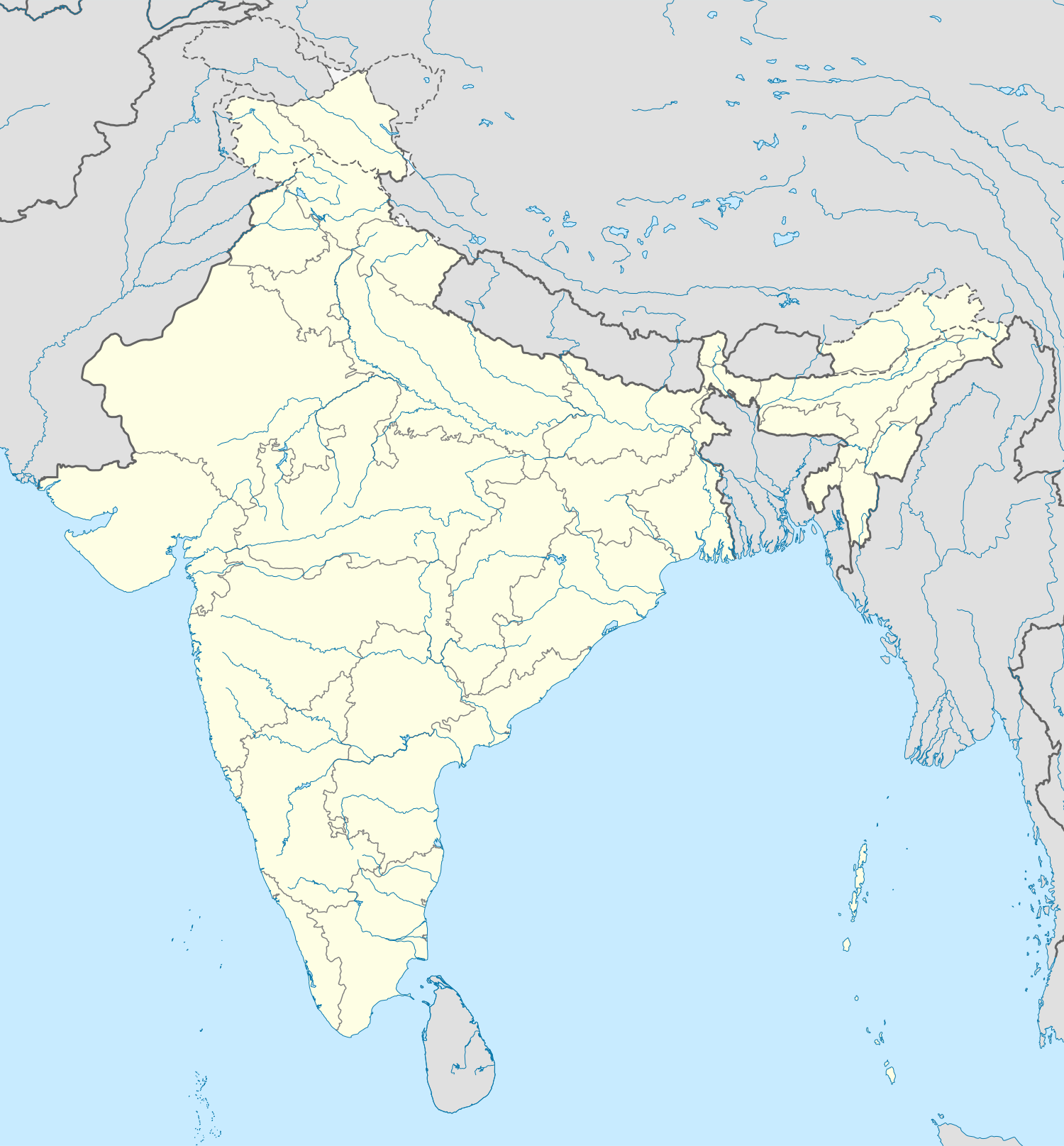 ItanagarTawangArunachal Pradesh
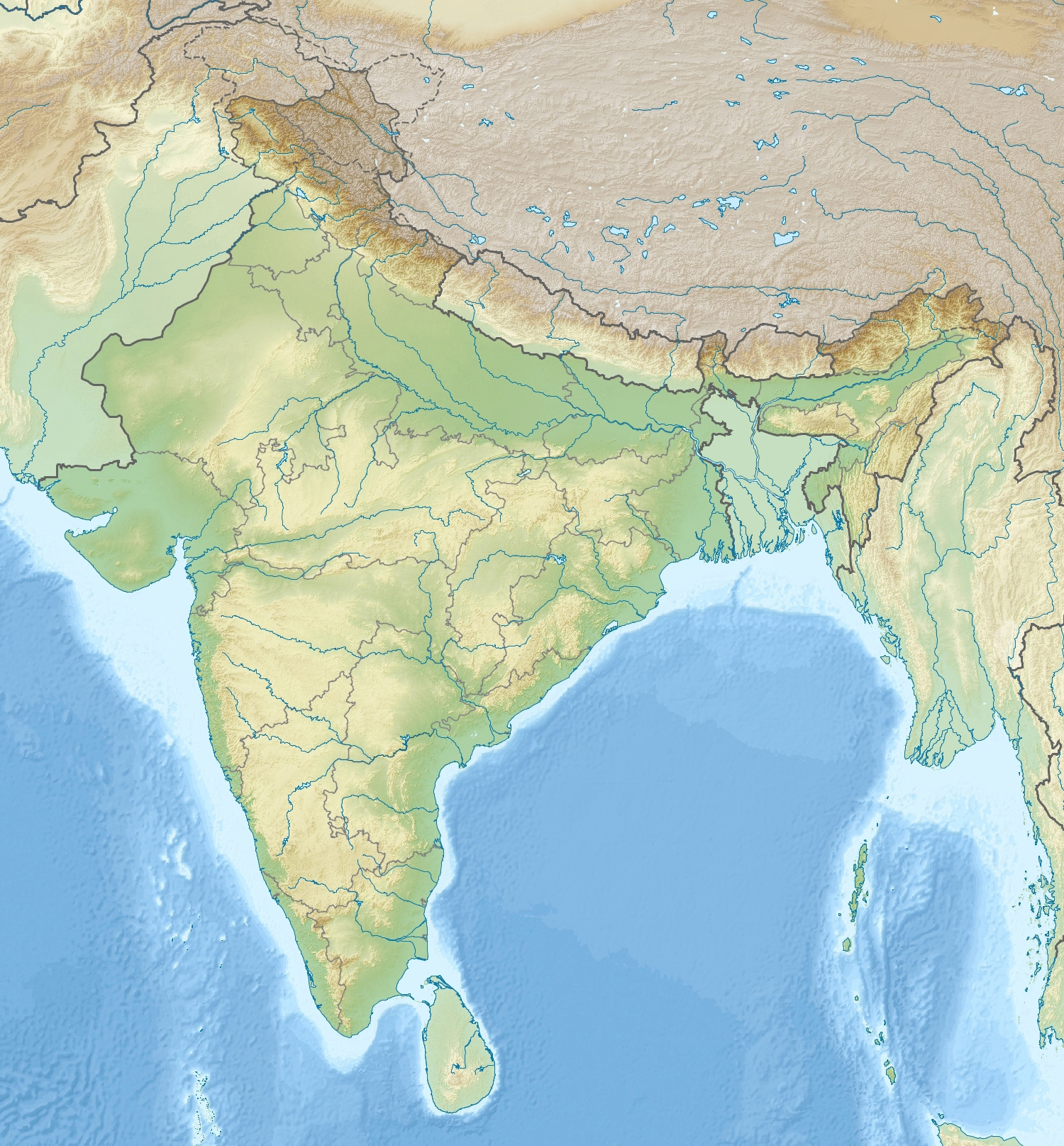 Eastern HimalayaSiangArunachal Pradesh
Marker uses stored geographic coordinates on equirectangular location-map bounds. India map bases: Wikimedia Commons / Uwe Dedering (CC BY-SA 3.0). World political base: public domain; physical world base: Gundan (CC BY-SA 4.0).
📌 Why in News?
Context
Union Minister for Environment, Forest and Climate Change, announced the designation of Glaw Lake (also known as Glow Lake) in Arunachal Pradesh as India’s 101st Ramsar Site. This landmark recognition marks Arunachal Pradesh’s very first Ramsar Site, raising India’s national tally of internationally protected wetlands past the 100 mark. Glaw Lake is a high-altitude, pristine, natural freshwater lake located in the Eastern Himalayas.
Syllabus & Relevance
Prelims: Environment — institutions, terminology and factual features connected with the development.
Mains: GS-3 — contemporary application of the relevant syllabus theme.
Current–static link: Revise the underlying institution, policy or concept together with this development.
Why it matters for India
Context: Union Minister for Environment, Forest and Climate Change, announced the designation of Glaw Lake (also known as Glow Lake) in Arunachal Pradesh as India’s 101st Ramsar Site.
This landmark recognition marks Arunachal Pradesh’s very first Ramsar Site, raising India’s national tally of internationally protected wetlands past the 100 mark.
Critical Habitat for Four Big Cats: The lake basin is one of the rare Himalayan eco-zones supporting all four major big cat species—Bengal Tiger, Indian Leopard, Clouded Leopard, and Snow Leopard.
Static Foundation
Glaw Lake is a high-altitude, pristine, natural freshwater lake located in the Eastern Himalayas.
Spread across an estimated area of 8 square kilometers at an elevation of approximately 1,168 meters above sea level, it serves as a major source for the perennial Kamlang River.
District: Lohit District, Arunachal Pradesh (near the town of Wakro).
Protected Area: Lies deep inside the Kamlang Tiger Reserve and Wildlife Sanctuary (bounded by the Lang River to the north and Namdapha National Park to the south).
Local Indigenous Habitat: Surrounded by traditional territories inhabited by the Miju Mishmi, Digaro Mishmi, and Idu Mishmi tribal communities.
Hydrological Origin: The lake is fed by multiple perennial high-altitude mountain streams flowing down from the Eastern Himalayan glaciated ridges.
Geomorphological Origin: Formed through natural tectonic activity and land-block warping typical of the Eastern Himalayan structural fold belt, creating a natural high-altitude depression that impounds alpine run-off.
Data, Reports, Cases & Examples
Context: Union Minister for Environment, Forest and Climate Change, announced the designation of Glaw Lake (also known as Glow Lake) in Arunachal Pradesh as India’s 101st Ramsar Site.
This landmark recognition marks Arunachal Pradesh’s very first Ramsar Site, raising India’s national tally of internationally protected wetlands past the 100 mark.
Spread across an estimated area of 8 square kilometers at an elevation of approximately 1,168 meters above sea level, it serves as a major source for the perennial Kamlang River.
High-Altitude Freshwater Basin: Covers an expanse of nearly 8 sq km with a circumference of 5 km, acting as the primary headwater origin for the Kamlang River within the Eastern Himalayan biodiversity hotspot.
Rich Floral Diversity: The surrounding catchment supports a dense micro-climate hosting over 150 tree species (including Hollong, Canarium, and Rhododendron) and 49 recorded wild orchid species.
Prelims Quick Facts
Context: Union Minister for Environment, Forest and Climate Change, announced the designation of Glaw Lake (also known as Glow Lake) in Arunachal Pradesh as India’s 101st Ramsar Site.
This landmark recognition marks Arunachal Pradesh’s very first Ramsar Site, raising India’s national tally of internationally protected wetlands past the 100 mark.
Glaw Lake is a high-altitude, pristine, natural freshwater lake located in the Eastern Himalayas.
Spread across an estimated area of 8 square kilometers at an elevation of approximately 1,168 meters above sea level, it serves as a major source for the perennial Kamlang River.
District: Lohit District, Arunachal Pradesh (near the town of Wakro).
Protected Area: Lies deep inside the Kamlang Tiger Reserve and Wildlife Sanctuary (bounded by the Lang River to the north and Namdapha National Park to the south).
Local Indigenous Habitat: Surrounded by traditional territories inhabited by the Miju Mishmi, Digaro Mishmi, and Idu Mishmi tribal communities.
Hydrological Origin: The lake is fed by multiple perennial high-altitude mountain streams flowing down from the Eastern Himalayan glaciated ridges.
Mains-only layer✍️ Open Mains Perspective & Answer FrameworkClick to expand ↓
Mains Perspective
Background and key dimensions
- District: Lohit District, Arunachal Pradesh (near the town of Wakro).
- Protected Area: Lies deep inside the Kamlang Tiger Reserve and Wildlife Sanctuary (bounded by the Lang River to the north and Namdapha National Park to the south).
- Local Indigenous Habitat: Surrounded by traditional territories inhabited by the Miju Mishmi, Digaro Mishmi, and Idu Mishmi tribal communities.
- Hydrological Origin: The lake is fed by multiple perennial high-altitude mountain streams flowing down from the Eastern Himalayan glaciated ridges.
- Geomorphological Origin: Formed through natural tectonic activity and land-block warping typical of the Eastern Himalayan structural fold belt, creating a natural high-altitude depression that impounds alpine run-off.
- Key Geological & Ecological Features:
- High-Altitude Freshwater Basin: Covers an expanse of nearly 8 sq km with a circumference of 5 km, acting as the primary headwater origin for the Kamlang River within the Eastern Himalayan biodiversity hotspot.
- Rich Floral Diversity: The surrounding catchment supports a dense micro-climate hosting over 150 tree species (including Hollong, Canarium, and Rhododendron) and 49 recorded wild orchid species.
- Critical Habitat for Four Big Cats: The lake basin is one of the rare Himalayan eco-zones supporting all four major big cat species—Bengal Tiger, Indian Leopard, Clouded Leopard, and Snow Leopard.
- Primate and Endemic Wildlife Refuge: Provides a contiguous forest corridor for endangered primates like the Hoolock Gibbon, Slow Loris, Capped Langur, alongside rare alpine mammals such as the Mishmi Takin and Red Panda.
Analytical use
- Connect the development with its institutional, policy, economic, social, environmental or security implications only where supported above.
- In a Mains answer, separate the verified development from broader evaluation and use the named evidence precisely.
Way forward
- Base recommendations on the gaps and institutional responsibilities identified in the source-grounded points.
Answer Framework
Introduction
Begin with the immediate development and identify the central institution or policy issue.
Body
- Explain the relevant static concept.
- Present the principal source-backed facts.
- Analyse significance for India and the syllabus theme.
- Discuss supported challenges or implementation gaps.
- Use one named law, report, institution, date or example from the evidence box.
Conclusion
End with a balanced, institutionally feasible way forward without making claims beyond the available evidence.
Possible Mains Question
Examine the significance of “Glaw Lake (Glow Lake)”. Discuss its key implications and the way forward.