Himachal Pradesh
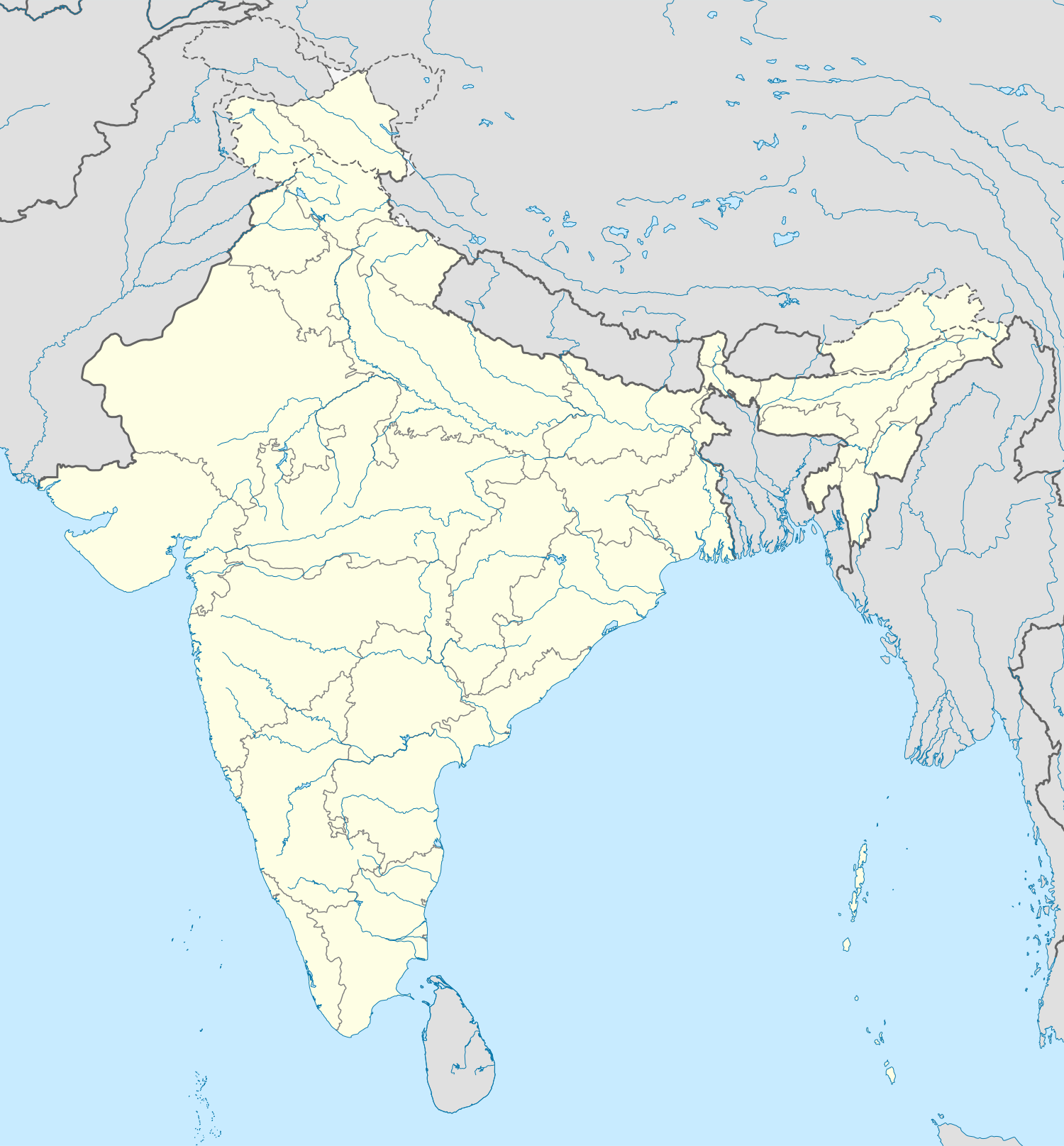 Himachal PradeshPunjabHaryanaUttarakhandHimachal PradeshShimlaDharamshalaHimachal Pradesh
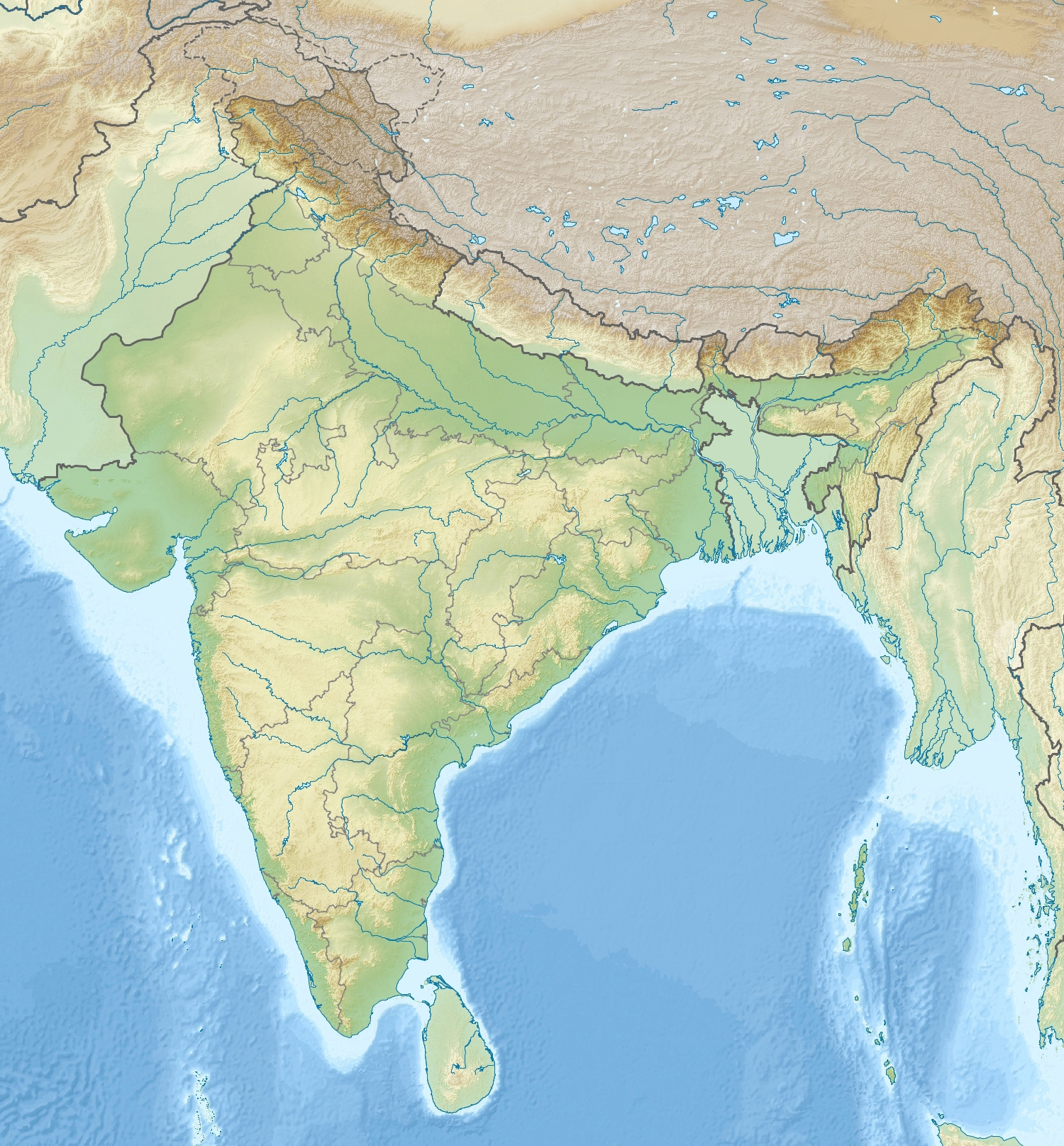 SutlejDhauladharHimachal PradeshGreat Himalayan NPKibber WLSHimachal Pradesh
📌 Why in News?
The Union Home Minister directed the security agencies to take strict measures against infiltration, asking the police chiefs to detect and deport illegal migrants. In the last three Censuses, roughly 94% of all India’s Bangladesh-born residents lived in the five border States (West Bengal, Assam, Tripura, Meghalaya, and Mizoram). India and Bangladesh share a 4,096.7-km-long border, which till recently was mostly porous.
Syllabus & Relevance
Prelims: International Relations — institutions, terminology and factual features connected with the development.
Mains: GS-2 — contemporary application of the relevant syllabus theme.
Current–static link: Revise the underlying institution, policy or concept together with this development.
Why it matters for India
In the last three Censuses, roughly 94% of all India’s Bangladesh-born residents lived in the five border States (West Bengal, Assam, Tripura, Meghalaya, and Mizoram).
India and Bangladesh share a 4,096.7-km-long border, which till recently was mostly porous.
Afghan Refugees: With the Taliban’s resurgence in Afghanistan, there has been an influx of Afghan refugees into India seeking safety and asylum.
Bangladeshi migrants: Historically entered India due to economic reasons; significant numbers have settled in West Bengal, Assam, Tripura, and other northeastern states.
Static Foundation
India and Bangladesh share a 4,096.7-km-long border, which till recently was mostly porous.
In 2025, the Home Ministry said 3,232 km of the Indo-Bangla border had been fenced.
Afghan Refugees: With the Taliban’s resurgence in Afghanistan, there has been an influx of Afghan refugees into India seeking safety and asylum.
Many of them are Sikhs and Hindus facing religious persecution.
Bangladeshi migrants: Historically entered India due to economic reasons; significant numbers have settled in West Bengal, Assam, Tripura, and other northeastern states.
Rohingya Crisis: Rohingya Muslims from Myanmar have sought refuge in India due to ethnic violence and persecution in Myanmar’s Rakhine State.
India has been grappling with their status, with the government taking a firm stance on their deportation.
Data, Reports, Cases & Examples
In the last three Censuses, roughly 94% of all India’s Bangladesh-born residents lived in the five border States (West Bengal, Assam, Tripura, Meghalaya, and Mizoram).
India and Bangladesh share a 4,096.7-km-long border, which till recently was mostly porous.
In 2025, the Home Ministry said 3,232 km of the Indo-Bangla border had been fenced.
Tibetan Refugees: Tibetans have been living in India since the 1959 Tibetan uprising against Chinese rule.
After the end of the Sri Lanka civil war in 2009, India has encouraged return through the method of voluntary repatriation, if the situation back home is safe.
India has welcomed refugees in the past, with nearly 300,000 people categorised as refugees.
Prelims Quick Facts
The Union Home Minister directed the security agencies to take strict measures against infiltration, asking the police chiefs to detect and deport illegal migrants.
In the last three Censuses, roughly 94% of all India’s Bangladesh-born residents lived in the five border States (West Bengal, Assam, Tripura, Meghalaya, and Mizoram).
India and Bangladesh share a 4,096.7-km-long border, which till recently was mostly porous.
In 2025, the Home Ministry said 3,232 km of the Indo-Bangla border had been fenced.
Afghan Refugees: With the Taliban’s resurgence in Afghanistan, there has been an influx of Afghan refugees into India seeking safety and asylum.
Many of them are Sikhs and Hindus facing religious persecution.
Bangladeshi migrants: Historically entered India due to economic reasons; significant numbers have settled in West Bengal, Assam, Tripura, and other northeastern states.
Rohingya Crisis: Rohingya Muslims from Myanmar have sought refuge in India due to ethnic violence and persecution in Myanmar’s Rakhine State.
Mains-only layer✍️ Open Mains Perspective & Answer FrameworkClick to expand ↓
Mains Perspective
Background and key dimensions
- Afghan Refugees: With the Taliban’s resurgence in Afghanistan, there has been an influx of Afghan refugees into India seeking safety and asylum.
- Many of them are Sikhs and Hindus facing religious persecution.
- Bangladeshi migrants: Historically entered India due to economic reasons; significant numbers have settled in West Bengal, Assam, Tripura, and other northeastern states.
- Rohingya Crisis: Rohingya Muslims from Myanmar have sought refuge in India due to ethnic violence and persecution in Myanmar’s Rakhine State.
- India has been grappling with their status, with the government taking a firm stance on their deportation.
- Tibetan Refugees: Tibetans have been living in India since the 1959 Tibetan uprising against Chinese rule.
- They are granted refugee status and live primarily in settlements in states like Himachal Pradesh and Karnataka.
- Sri Lanka: In the case of Sri Lankan Tamil refugees, many of them are in camps in Tamil Nadu.
- The state government provides them an allowance and allows them to seek jobs, and their children to attend school.
- After the end of the Sri Lanka civil war in 2009, India has encouraged return through the method of voluntary repatriation, if the situation back home is safe.
- India has welcomed refugees in the past, with nearly 300,000 people categorised as refugees.
- This includes the Tibetans, Chakmas from Bangladesh, and refugees from Afghanistan, Sri Lanka, etc.
Analytical use
- Connect the development with its institutional, policy, economic, social, environmental or security implications only where supported above.
- In a Mains answer, separate the verified development from broader evaluation and use the named evidence precisely.
Way forward
- Base recommendations on the gaps and institutional responsibilities identified in the source-grounded points.
Answer Framework
Introduction
Begin with the immediate development and identify the central institution or policy issue.
Body
- Explain the relevant static concept.
- Present the principal source-backed facts.
- Analyse significance for India and the syllabus theme.
- Discuss supported challenges or implementation gaps.
- Use one named law, report, institution, date or example from the evidence box.
Conclusion
End with a balanced, institutionally feasible way forward without making claims beyond the available evidence.
Possible Mains Question
Examine the significance of “Illegal Migrants in India”. Discuss its key implications and the way forward.