Locate the place
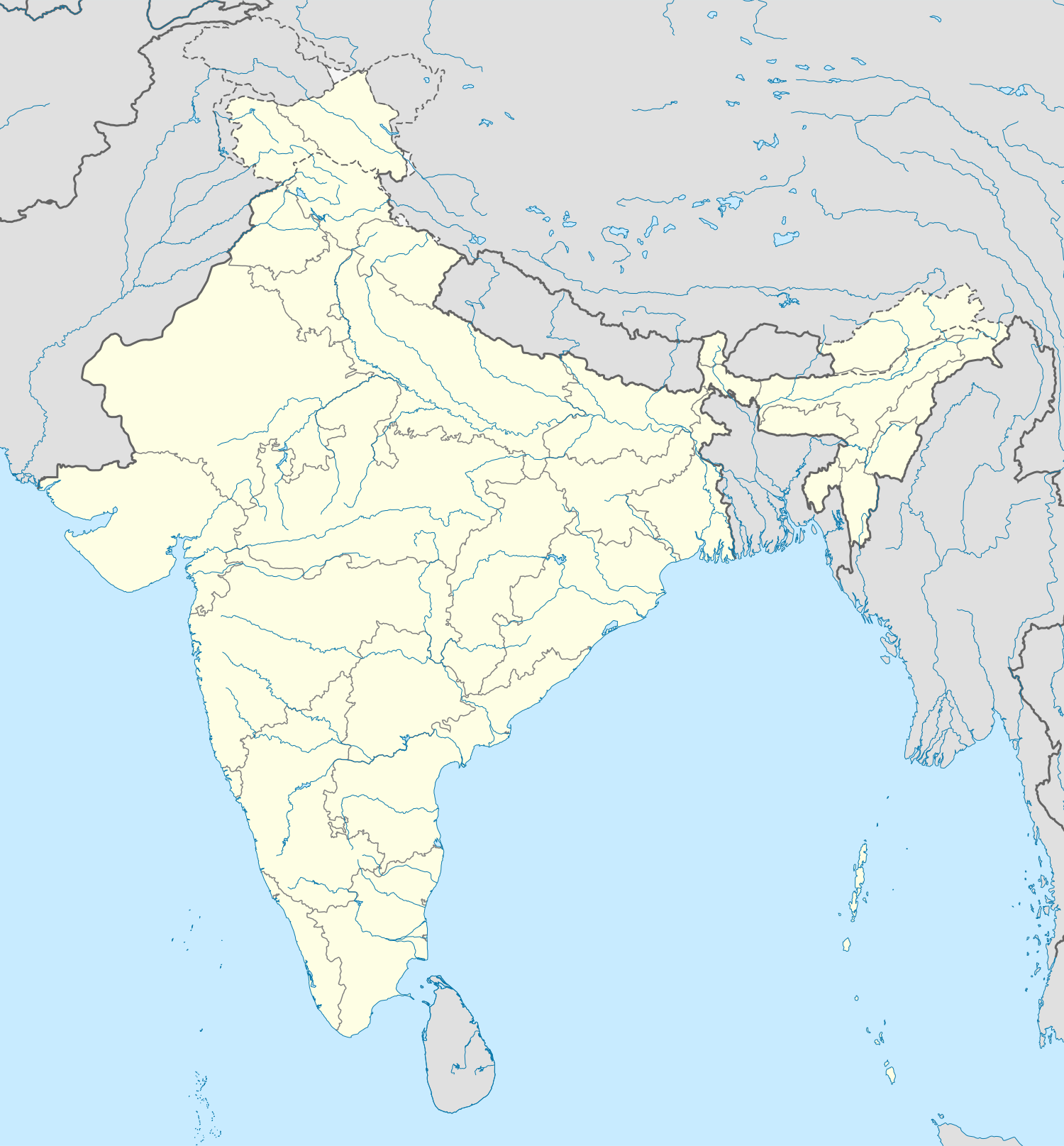 GwaliorBhopal
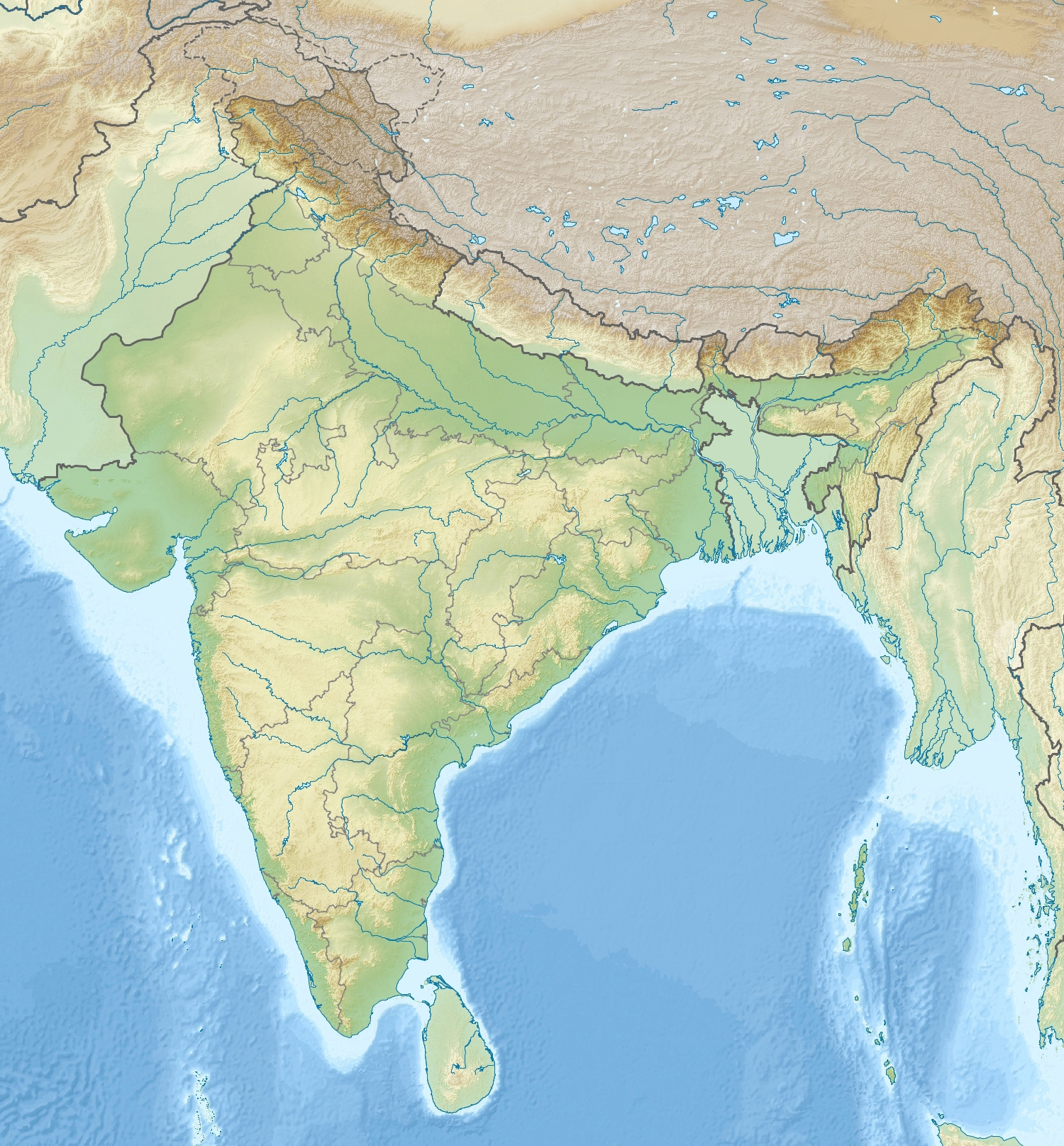 Bhopal
Marker uses stored geographic coordinates on equirectangular location-map bounds. India map bases: Wikimedia Commons / Uwe Dedering (CC BY-SA 3.0). World political base: public domain; physical world base: Gundan (CC BY-SA 4.0).
📌 Why in News?
Indigenous African Swine Fever Vaccine Developed by ICAR Achievements of Indians in Science & Technology Scientists at the Indian Council of Agricultural Research–National Institute of High Security Animal Diseases (**ICAR-**NIHSAD), Bhopal, have developed India’s first indigenous live attenuated vaccine against African Swine Fever (ASF).
Syllabus & Relevance
Prelims: Science & Technology — institutions, terminology and factual features connected with the development.
Mains: GS-3 — contemporary application of the relevant syllabus theme.
Current–static link: Revise the underlying institution, policy or concept together with this development.
Why it matters for India
Scientists at the Indian Council of Agricultural Research–National Institute of High Security Animal Diseases (**ICAR-**NIHSAD), Bhopal, have developed India’s first indigenous live attenuated vaccine against African Swine Fever (ASF).
Outbreak in India: ASF was first detected in India in 2020 and subsequently spread across several States and Union Territories, particularly affecting the North-Eastern region and causing large-scale pig deaths, movement restrictions and disruption of pork production and trade.
Significance: The vaccine can reduce pig mortality and farmers’ losses, strengthen livestock and food biosecurity and support India’s emergence as a supplier of affordable veterinary vaccines.
Static Foundation
Scientists at the Indian Council of Agricultural Research–National Institute of High Security Animal Diseases (**ICAR-**NIHSAD), Bhopal, have developed India’s first indigenous live attenuated vaccine against African Swine Fever (ASF).
It uses an attenuated Genotype II ASF virus with specific gene deletions and the widely available MA-104 cell line, making large-scale production feasible and cost-effective.
About: African Swine Fever is a highly contagious viral disease affecting domestic and wild pigs.
It is caused by the African Swine Fever Virus and can produce high fever, internal bleeding and mortality rates of up to 100%.
ASF is a listed disease of the World Organisation for Animal Health (WOAH, formerly OIE) and is covered under its Terrestrial Animal Health Code.
Member countries are required to notify WOAH of outbreaks.
Transmission: ASF spreads through direct contact with infected pigs or carcasses, contaminated feed, food waste, equipment and other materials, as well as through soft ticks in certain regions.
Data, Reports, Cases & Examples
It uses an attenuated Genotype II ASF virus with specific gene deletions and the widely available MA-104 cell line, making large-scale production feasible and cost-effective.
It is caused by the African Swine Fever Virus and can produce high fever, internal bleeding and mortality rates of up to 100%.
ASF is a listed disease of the World Organisation for Animal Health (WOAH, formerly OIE) and is covered under its Terrestrial Animal Health Code.
Global Outbreak: ASF was first described in Kenya in 1921.
Following its emergence in Georgia in 2007, it spread widely across Europe and later reached Asia, Oceania and parts of the Caribbean, while continuing to affect several African countries.
Outbreak in India: ASF was first detected in India in 2020 and subsequently spread across several States and Union Territories, particularly affecting the North-Eastern region and causing large-scale pig deaths, movement restrictions and disruption of pork production and trade.
Prelims Quick Facts
Indigenous African Swine Fever Vaccine Developed by ICAR
Achievements of Indians in Science & Technology
Scientists at the Indian Council of Agricultural Research–National Institute of High Security Animal Diseases (**ICAR-**NIHSAD), Bhopal, have developed India’s first indigenous live attenuated vaccine against African Swine Fever (ASF).
It uses an attenuated Genotype II ASF virus with specific gene deletions and the widely available MA-104 cell line, making large-scale production feasible and cost-effective.
About: African Swine Fever is a highly contagious viral disease affecting domestic and wild pigs.
It is caused by the African Swine Fever Virus and can produce high fever, internal bleeding and mortality rates of up to 100%.
ASF is a listed disease of the World Organisation for Animal Health (WOAH, formerly OIE) and is covered under its Terrestrial Animal Health Code.
Member countries are required to notify WOAH of outbreaks.
Mains-only layer✍️ Open Mains Perspective & Answer FrameworkClick to expand ↓
Mains Perspective
Background and key dimensions
- About: African Swine Fever is a highly contagious viral disease affecting domestic and wild pigs.
- It is caused by the African Swine Fever Virus and can produce high fever, internal bleeding and mortality rates of up to 100%.
- ASF is a listed disease of the World Organisation for Animal Health (WOAH, formerly OIE) and is covered under its Terrestrial Animal Health Code.
- Member countries are required to notify WOAH of outbreaks.
- Transmission: ASF spreads through direct contact with infected pigs or carcasses, contaminated feed, food waste, equipment and other materials, as well as through soft ticks in certain regions.
- Human Health Risk: ASF is not a zoonotic disease and does not infect humans, but people can indirectly spread the virus through contaminated clothing, footwear, vehicles, equipment and pork products.
- Global Outbreak: ASF was first described in Kenya in 1921.
- Following its emergence in Georgia in 2007, it spread widely across Europe and later reached Asia, Oceania and parts of the Caribbean, while continuing to affect several African countries.
- Outbreak in India: ASF was first detected in India in 2020 and subsequently spread across several States and Union Territories, particularly affecting the North-Eastern region and causing large-scale pig deaths, movement restrictions and disruption of pork production and trade.
- Significance: The vaccine can reduce pig mortality and farmers’ losses, strengthen livestock and food biosecurity and support India’s emergence as a supplier of affordable veterinary vaccines.
Analytical use
- Connect the development with its institutional, policy, economic, social, environmental or security implications only where supported above.
- In a Mains answer, separate the verified development from broader evaluation and use the named evidence precisely.
Way forward
- Base recommendations on the gaps and institutional responsibilities identified in the source-grounded points.
Answer Framework
Introduction
Begin with the immediate development and identify the central institution or policy issue.
Body
- Explain the relevant static concept.
- Present the principal source-backed facts.
- Analyse significance for India and the syllabus theme.
- Discuss supported challenges or implementation gaps.
- Use one named law, report, institution, date or example from the evidence box.
Conclusion
End with a balanced, institutionally feasible way forward without making claims beyond the available evidence.
Possible Mains Question
Examine the significance of “Indigenous African Swine Fever Vaccine Developed by ICAR”. Discuss its key implications and the way forward.