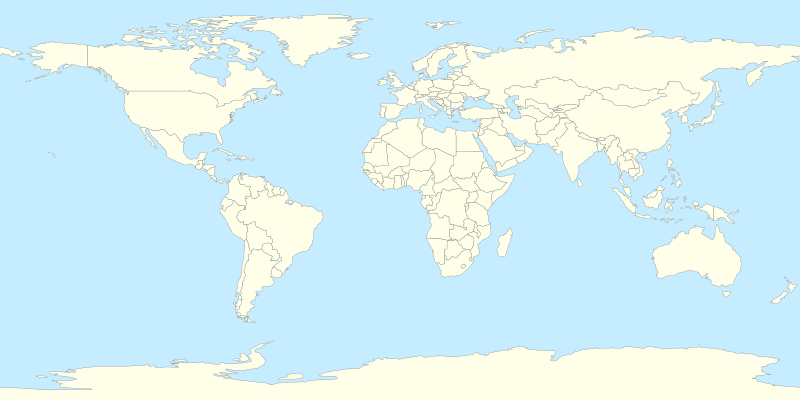
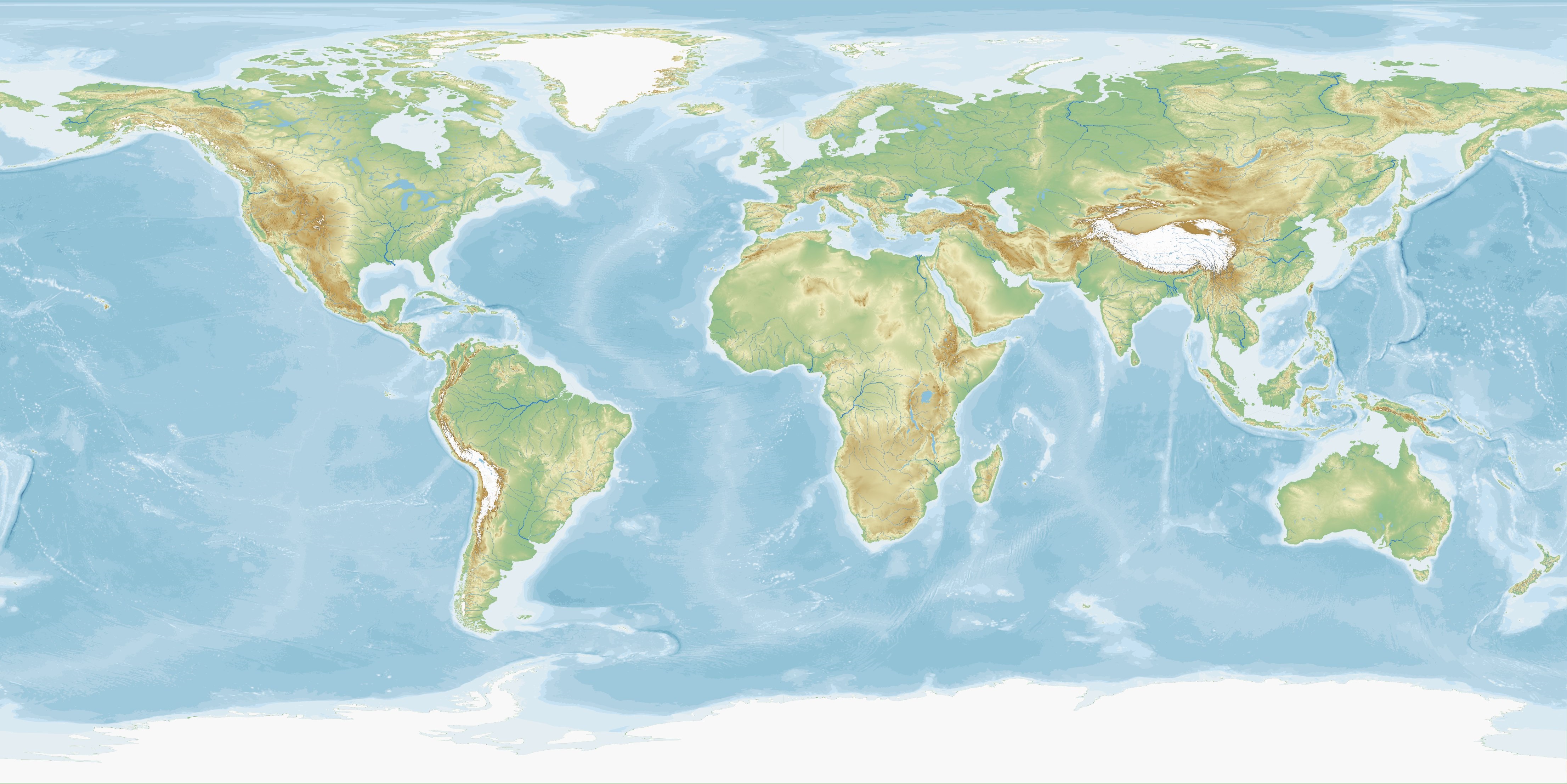
Locate the place
 UzbekistanAfghanistanPakistanKazakhstan
 Kazakhstan
Marker uses stored geographic coordinates on equirectangular location-map bounds. India map bases: Wikimedia Commons / Uwe Dedering (CC BY-SA 3.0). World political base: public domain; physical world base: Gundan (CC BY-SA 4.0).
📌 Why in News?
India’s Chief Election Commissioner Gyanesh Kumar met Kazakhstan’s Ambassador Azamat Yeskarayev in New Delhi to discuss electoral management, capacity building, and staff training, highlighting growing institutional engagement between the two nations.
Syllabus & Relevance
Prelims domain: Geography of Central Asia, international institutions, and bilateral ties.
GS paper/topic: GS-3 / Economic development, energy security, and international relations.
Current-static link: Institutional electoral cooperation intersecting with geopolitical ties in Central Asia.
Why it matters for India
Kazakhstan serves as a vital strategic partner for India in Central Asia, contributing significantly to India's energy security through uranium supplies, trade, defence cooperation, counter-terrorism, and regional connectivity via multilateral forums like the SCO, UN, and CICA.
Static Foundation
Kazakhstan is the world’s largest landlocked country and the largest nation in Central Asia.
It shares land borders with Russia, China, Kyrgyzstan, Uzbekistan, and Turkmenistan.
It features a coastline along the Caspian Sea, an enclosed inland water body.
The Aral Sea is shared between Kazakhstan and Uzbekistan.
Major water bodies include Lake Balkhash, Lake Zaysan, and Lake Alakol, with Astana as its capital.
The India–Kazakhstan Inter-Governmental Commission, established in 1993, is the apex bilateral economic mechanism.
Data, Reports, Cases & Examples
India’s EV sales growth: Surged 46 times from ~50,000 units in 2016 to 2.3 million units in 2025.
EV penetration rate: Rose from 0.08% in FY16 to 8.26% in FY26.
Market valuation: Valued at USD 3.71 billion in 2025, projected to reach USD 191.04 billion by 2034 at a 54.94% CAGR.
EV exports: Grew from USD 1.2 million in 2020 to USD 84 million in 2024, destined for Nepal, Indonesia, and Japan.
Charging infrastructure: Reached 52,718 stations as of July 2026, with a target of 1.32 million by 2030.
July 2026 GST collections: Gross collection stood at ₹2.11 lakh crore with 15.4% year-on-year growth, driven by 26.9% import IGST growth and only 4.5% domestic revenue growth.
Prelims Quick Facts
Kazakhstan is the world's largest landlocked country and borders Russia, China, Kyrgyzstan, Uzbekistan, and Turkmenistan.
Caspian Sea is an enclosed inland water body, and the Aral Sea is shared with Uzbekistan.
India Electric Mobility Index (IEMI) was launched in August 2025 by NITI Aayog across 16 indicators and 3 pillars.
PM E-DRIVE Scheme (2024) has an outlay of ₹10,900 crore supporting e-2Ws, e-3Ws, e-trucks, e-buses, and e-ambulances.
PLI Auto (2021) has disbursed ₹2,377 crore, while PLI ACC (2021) allocated ₹18,100 crore for 50 GWh battery capacity.
July 2026 GST collection reached ₹2.11 lakh crore with WPI manufacturing inflation at 7.18% in June 2026.
Trap: The Caspian Sea is often incorrectly stated as having an ocean coastline; it is an enclosed inland water body.
Trap: July 2026 GST growth was predominantly driven by domestic production volumes, whereas underlying numbers indicate it was import and inflation-led.
Mains-only layer✍️ Open Mains Perspective & Answer FrameworkClick to expand ↓
Mains Perspective
Background
India and Kazakhstan share deep-rooted strategic and civilisational ties, anchored by bilateral mechanisms like the Inter-Governmental Commission set up in 1993. Concurrently, India's broader economic and environmental framework is undergoing major industrial restructuring, exemplified by rapid electric vehicle adoption and evolving tax metrics under GST.
Significance
Kazakhstan provides an essential geopolitical and resource-rich pivot for India in Central Asia, supplying critical minerals like uranium for energy security. Domestically, India’s EV ecosystem—bolstered by PM E-DRIVE and PLI frameworks—and robust tax buoyancy highlight India's pursuit of sustainable mobility and manufacturing growth.
India-specific Implications
Bilateral engagement with Kazakhstan enhances India's strategic footprint in Eurasia. On the domestic economic front, the rapid scaling of EV sales and manufacturing positions India as an emerging global hub, though macroeconomic indicators like GST collections show structural nuances.
Challenges and Criticisms
India's EV and manufacturing transitions face hurdles including limited charging infrastructure (52,718 stations against a 2030 target of 1.32 million), high battery import dependency, grid readiness, and affordability. Similarly, GST revenue trends reflect import-led and inflation-driven growth rather than broad-based domestic volume increases, with only 16 States/UTs outperforming the national average.
Way Forward
Sustained policy support, aggressive localization of Advanced Chemistry Cells (ACC), grid modernization, expansion of public charging networks, and addressing regional economic disparities through inclusive tax frameworks are imperative for balanced long-term growth.
Answer Framework
Introduction: Establish the context of India's multi-layered engagement with Central Asian pivots like Kazakhstan for energy security, alongside transformative domestic economic initiatives such as the EV mission and evolving GST metrics. Body: Examine the strategic and economic significance of Kazakhstan, detail the exponential growth and policy catalysts of India's EV ecosystem (PM E-DRIVE, PLI schemes), and analyze the structural realities underlying recent economic indicators like July 2026 GST collections (import-led vs. domestic buoyancy). Discuss key challenges including infrastructure deficits, battery localization, and regional disparities
Conclusion
Conclude by emphasizing that structural resilience requires synchronized bilateral diplomacy, robust domestic manufacturing integration, targeted infrastructure deployment, and fiscally inclusive policies to ensure sustainable development.
Possible Mains Question
India’s EV ecosystem has grown 46 times since 2016, but challenges of infrastructure, battery localisation, and affordability remain. Critically examine India’s EV transition and suggest measures for sustainable growth.