Locate the place
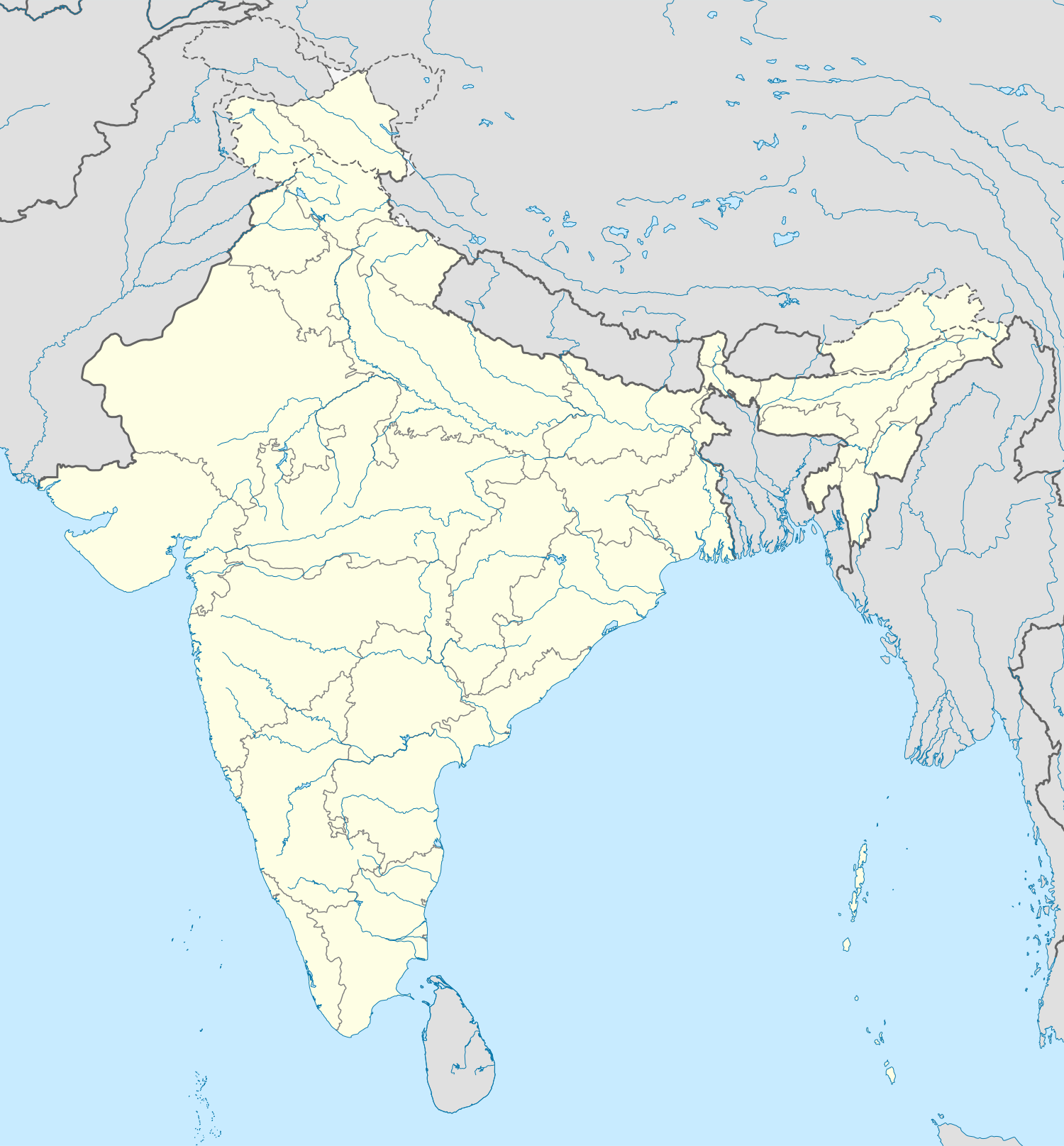 SrinagarJammu & Kashmir
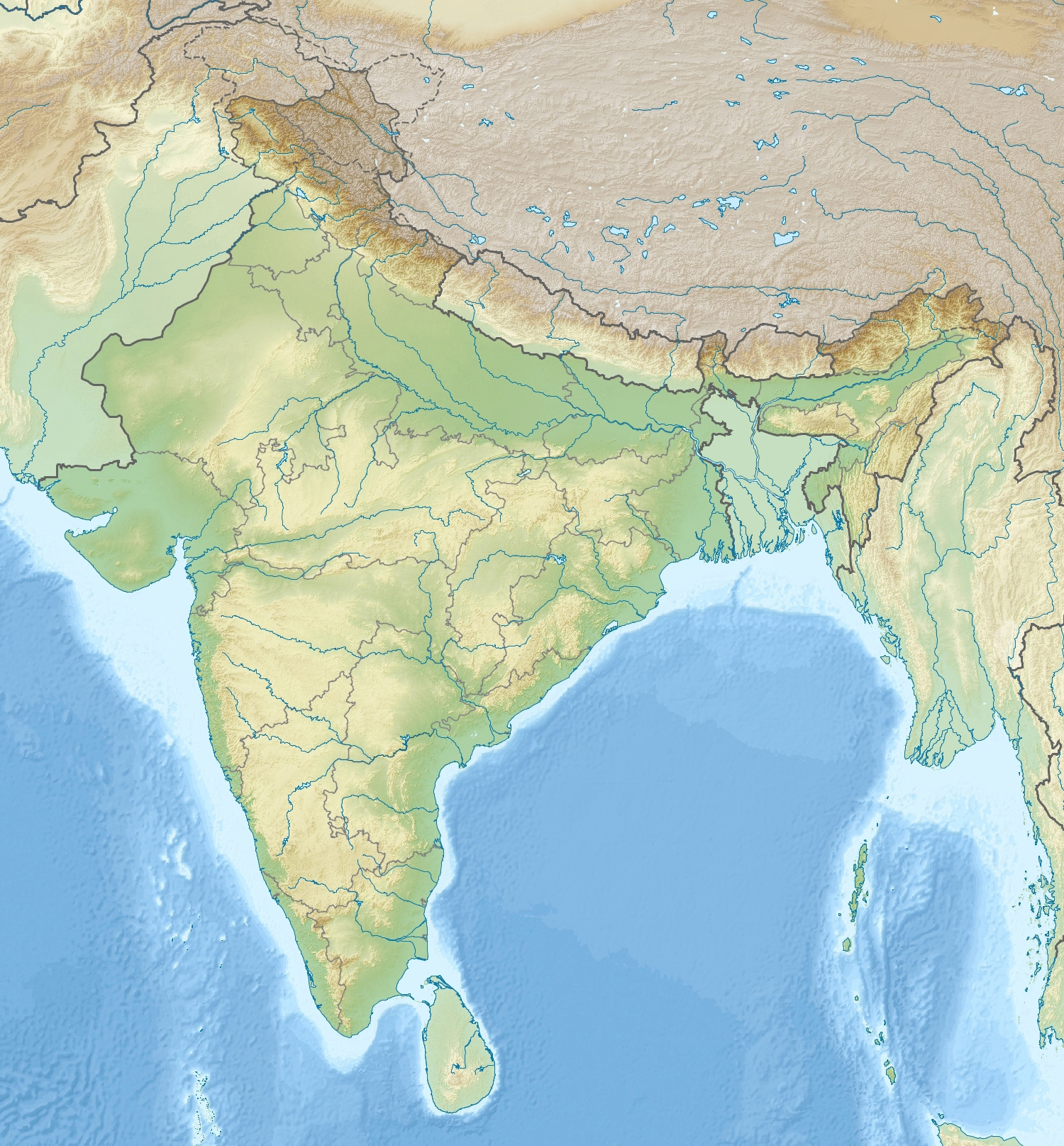 Jammu & Kashmir
Marker uses stored geographic coordinates on equirectangular location-map bounds. India map bases: Wikimedia Commons / Uwe Dedering (CC BY-SA 3.0). World political base: public domain; physical world base: Gundan (CC BY-SA 4.0).
📌 Why in News?
The 1,000 MW Pakal Dul Hydropower Project in Kishtwar, Jammu & Kashmir is being fast-tracked, including its associated transmission infrastructure. The project is significant for expanding hydropower generation and utilising India’s water resources in the Chenab basin. River: Marusudar, a tributary of the Chenab.
Syllabus & Relevance
Prelims: History & Culture — institutions, terminology and factual features connected with the development.
Mains: GS-1 — contemporary application of the relevant syllabus theme.
Current–static link: Revise the underlying institution, policy or concept together with this development.
Why it matters for India
The project is significant for expanding hydropower generation and utilising India’s water resources in the Chenab basin.
Static Foundation
River: Marusudar, a tributary of the Chenab.
Location: Kishtwar district, Jammu & Kashmir.
It is a run-of-the-river scheme, with a 167-metre-high concrete-face rockfill dam.
The underground powerhouse will have four 250 MW Francis turbine units.
Expected annual generation: about 3,330 million units.
Developed by Chenab Valley Power Projects Pvt.
Ltd. (CVPPL), a joint venture involving NHPC and J&K State Power Development Corporation.
Data, Reports, Cases & Examples
The 1,000 MW Pakal Dul Hydropower Project in Kishtwar, Jammu & Kashmir is being fast-tracked, including its associated transmission infrastructure.
It is a run-of-the-river scheme, with a 167-metre-high concrete-face rockfill dam.
The underground powerhouse will have four 250 MW Francis turbine units.
Expected annual generation: about 3,330 million units.
Prelims Quick Facts
The 1,000 MW Pakal Dul Hydropower Project in Kishtwar, Jammu & Kashmir is being fast-tracked, including its associated transmission infrastructure.
The project is significant for expanding hydropower generation and utilising India’s water resources in the Chenab basin.
River: Marusudar, a tributary of the Chenab.
Location: Kishtwar district, Jammu & Kashmir.
It is a run-of-the-river scheme, with a 167-metre-high concrete-face rockfill dam.
The underground powerhouse will have four 250 MW Francis turbine units.
Expected annual generation: about 3,330 million units.
Developed by Chenab Valley Power Projects Pvt.
Mains-only layer✍️ Open Mains Perspective & Answer FrameworkClick to expand ↓
Mains Perspective
Background and key dimensions
- It is a run-of-the-river scheme, with a 167-metre-high concrete-face rockfill dam.
- The underground powerhouse will have four 250 MW Francis turbine units.
- Expected annual generation: about 3,330 million units.
- Developed by Chenab Valley Power Projects Pvt.
- Ltd. (CVPPL), a joint venture involving NHPC and J&K State Power Development Corporation.
- The Chenab is a tributary of the Indus and originates from the confluence of Chandra and Bhaga in Himachal Pradesh.
- The river flows through Jammu & Kashmir before entering Pakistan.
- A strong map-based + water-governance topic.
- UPSC may ask the river on which the project is built, its tributary relationship, project type or Indus Waters Treaty linkage.
- Remember: Pakal Dul → Marusudar → Chenab → Indus.
- The project can also be compared with Kiru, Kwar, Ratle and Baglihar, all associated with the Chenab basin.
- Dhabaleswar Temple: Shaivite Heritage on an Island in the Mahanadi
Analytical use
- Connect the development with its institutional, policy, economic, social, environmental or security implications only where supported above.
- In a Mains answer, separate the verified development from broader evaluation and use the named evidence precisely.
Way forward
- Base recommendations on the gaps and institutional responsibilities identified in the source-grounded points.
Answer Framework
Introduction
Begin with the immediate development and identify the central institution or policy issue.
Body
- Explain the relevant static concept.
- Present the principal source-backed facts.
- Analyse significance for India and the syllabus theme.
- Discuss supported challenges or implementation gaps.
- Use one named law, report, institution, date or example from the evidence box.
Conclusion
End with a balanced, institutionally feasible way forward without making claims beyond the available evidence.
Possible Mains Question
Examine the significance of “Pakal Dul Hydropower Project: Strategic Hydropower Development on the Chenab Basin”. Discuss its key implications and the way forward.