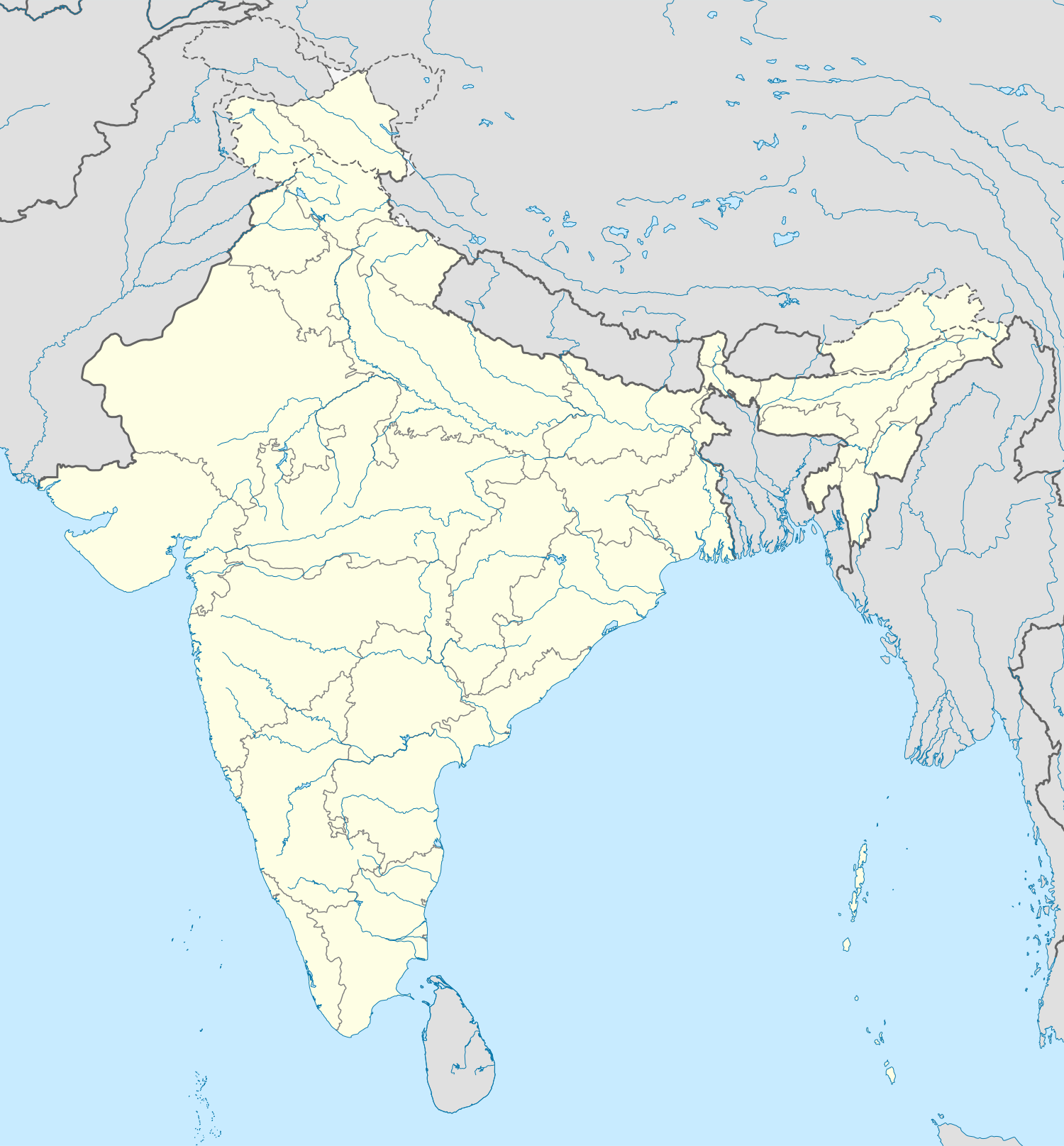
Locate the place
 India
India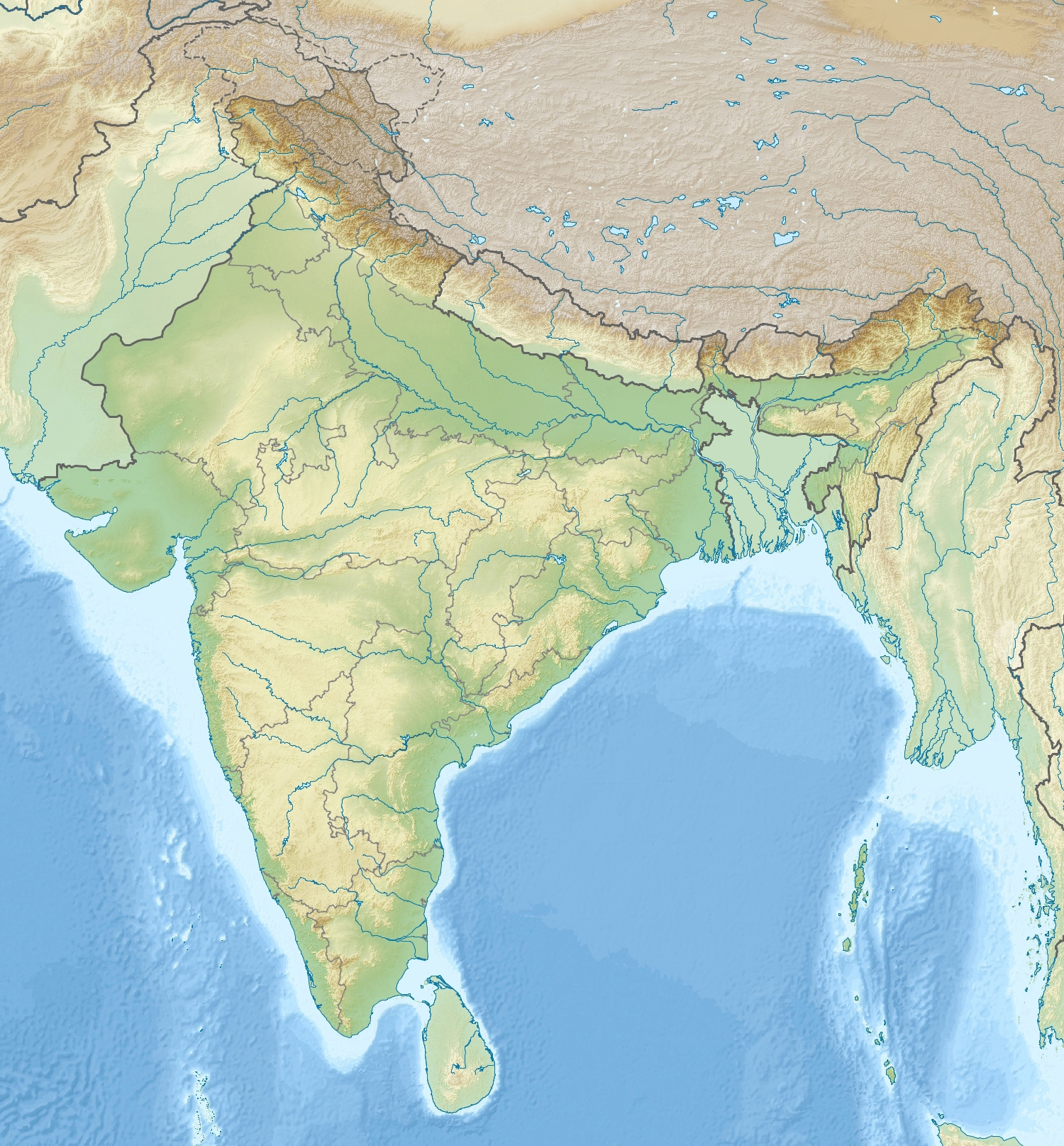 India
IndiaMarker uses stored geographic coordinates on equirectangular location-map bounds. India map bases: Wikimedia Commons / Uwe Dedering (CC BY-SA 3.0). World political base: public domain; physical world base: Gundan (CC BY-SA 4.0).
📌 Why in News?
Hyderabad-based space-tech startup TakeMe2Space’s PowerBank-50 has become the first indigenously developed, commercially available satellite battery in India to achieve “flight heritage” after successfully operating aboard Skyroot Aerospace’s Vikram-1 mission. The mission was launched on 18 July 2026. A space-grade battery pack designed to provide electrical power to satellite payloads.
Syllabus & Relevance
Prelims: Science & Technology — institutions, terminology and factual features connected with the development.
Mains: GS-3 — contemporary application of the relevant syllabus theme.
Current–static link: Revise the underlying institution, policy or concept together with this development.
Why it matters for India
Hyderabad-based space-tech startup TakeMe2Space’s PowerBank-50 has become the first indigenously developed, commercially available satellite battery in India to achieve “flight heritage” after successfully operating aboard Skyroot Aerospace’s Vikram-1 mission.
Its successful deployment can reduce dependence on imported satellite battery systems and strengthen India’s private space manufacturing ecosystem.
This topic links space technology, energy storage and India’s growing private space ecosystem.
The development also reflects India’s push towards indigenisation of critical space components.
Static Foundation
A space-grade battery pack designed to provide electrical power to satellite payloads.
Stores more than 50 Wh of energy and weighs around 380 grams.
Demonstrated its performance in the orbital environment, establishing its reliability for future satellite missions.
Its successful deployment can reduce dependence on imported satellite battery systems and strengthen India’s private space manufacturing ecosystem.
Flight heritage means that a space component has been successfully tested and operated in an actual space mission.
It provides greater confidence in the component’s reliability compared with laboratory or ground testing alone.
This topic links space technology, energy storage and India’s growing private space ecosystem.
Data, Reports, Cases & Examples
Hyderabad-based space-tech startup TakeMe2Space’s PowerBank-50 has become the first indigenously developed, commercially available satellite battery in India to achieve “flight heritage” after successfully operating aboard Skyroot Aerospace’s Vikram-1 mission.
The mission was launched on 18 July 2026.
Stores more than 50 Wh of energy and weighs around 380 grams.
Flight heritage means that a space component has been successfully tested and operated in an actual space mission.
Prelims Quick Facts
Hyderabad-based space-tech startup TakeMe2Space’s PowerBank-50 has become the first indigenously developed, commercially available satellite battery in India to achieve “flight heritage” after successfully operating aboard Skyroot Aerospace’s Vikram-1 mission.
The mission was launched on 18 July 2026.
A space-grade battery pack designed to provide electrical power to satellite payloads.
Stores more than 50 Wh of energy and weighs around 380 grams.
Demonstrated its performance in the orbital environment, establishing its reliability for future satellite missions.
Its successful deployment can reduce dependence on imported satellite battery systems and strengthen India’s private space manufacturing ecosystem.
Flight heritage means that a space component has been successfully tested and operated in an actual space mission.
It provides greater confidence in the component’s reliability compared with laboratory or ground testing alone.
Mains-only layer✍️ Open Mains Perspective & Answer FrameworkClick to expand ↓
Mains Perspective
Background and key dimensions
- Demonstrated its performance in the orbital environment, establishing its reliability for future satellite missions.
- Its successful deployment can reduce dependence on imported satellite battery systems and strengthen India’s private space manufacturing ecosystem.
- Flight heritage means that a space component has been successfully tested and operated in an actual space mission.
- It provides greater confidence in the component’s reliability compared with laboratory or ground testing alone.
- This topic links space technology, energy storage and India’s growing private space ecosystem.
- UPSC may ask about the meaning of flight heritage, the role of batteries in satellites, or distinguish launch vehicle, satellite and payload.
- The development also reflects India’s push towards indigenisation of critical space components.
Analytical use
- Connect the development with its institutional, policy, economic, social, environmental or security implications only where supported above.
- In a Mains answer, separate the verified development from broader evaluation and use the named evidence precisely.
Way forward
- Base recommendations on the gaps and institutional responsibilities identified in the source-grounded points.
Answer Framework
Introduction
Begin with the immediate development and identify the central institution or policy issue.
Body
- Explain the relevant static concept.
- Present the principal source-backed facts.
- Analyse significance for India and the syllabus theme.
- Discuss supported challenges or implementation gaps.
- Use one named law, report, institution, date or example from the evidence box.
Conclusion
End with a balanced, institutionally feasible way forward without making claims beyond the available evidence.
Possible Mains Question
Examine the significance of “PowerBank-50: India’s First Flight-Proven Indigenous Satellite Battery”. Discuss its key implications and the way forward.