Himachal Pradesh
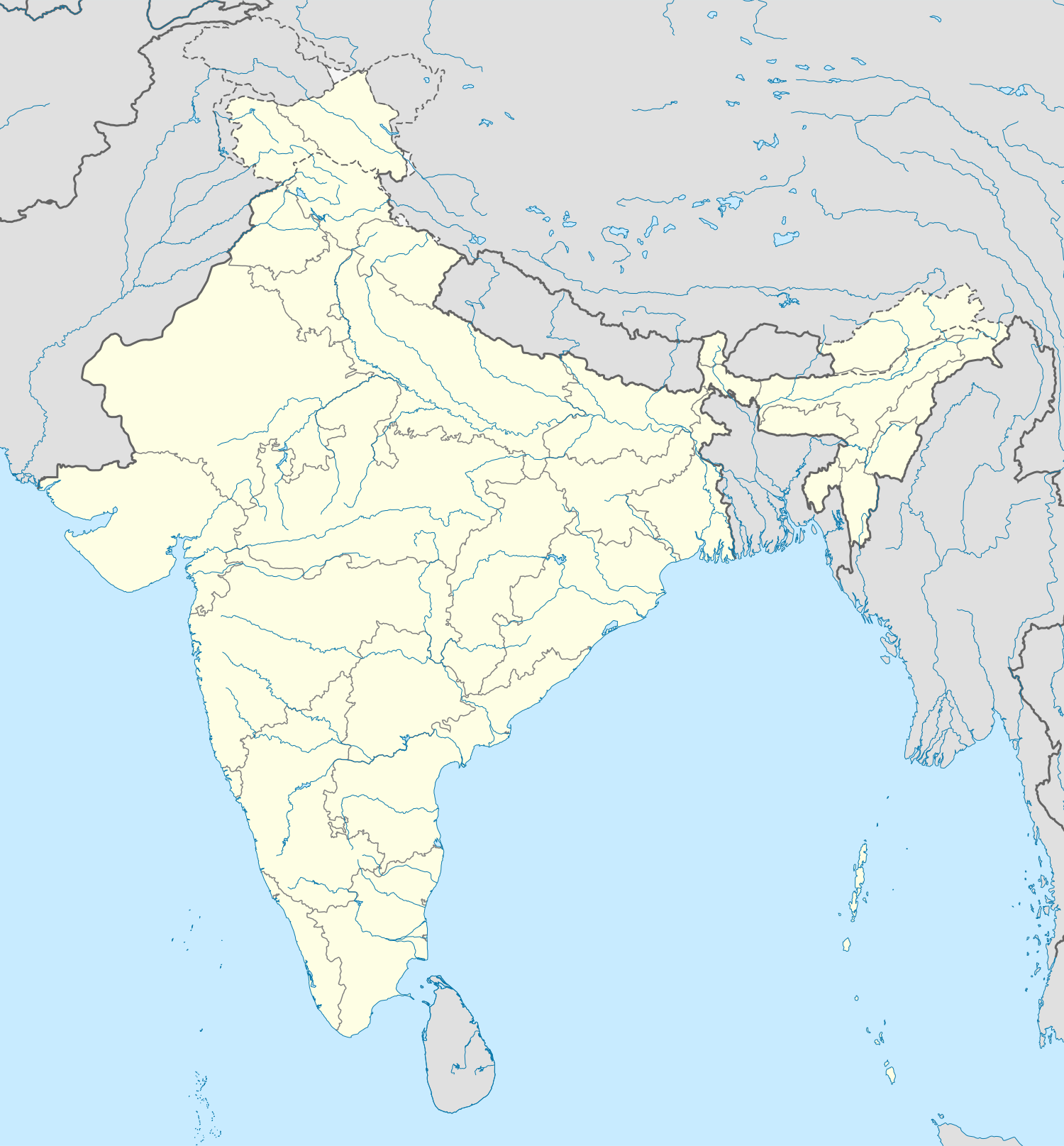 Himachal PradeshPunjabHaryanaUttarakhandHimachal PradeshShimlaDharamshalaHimachal Pradesh
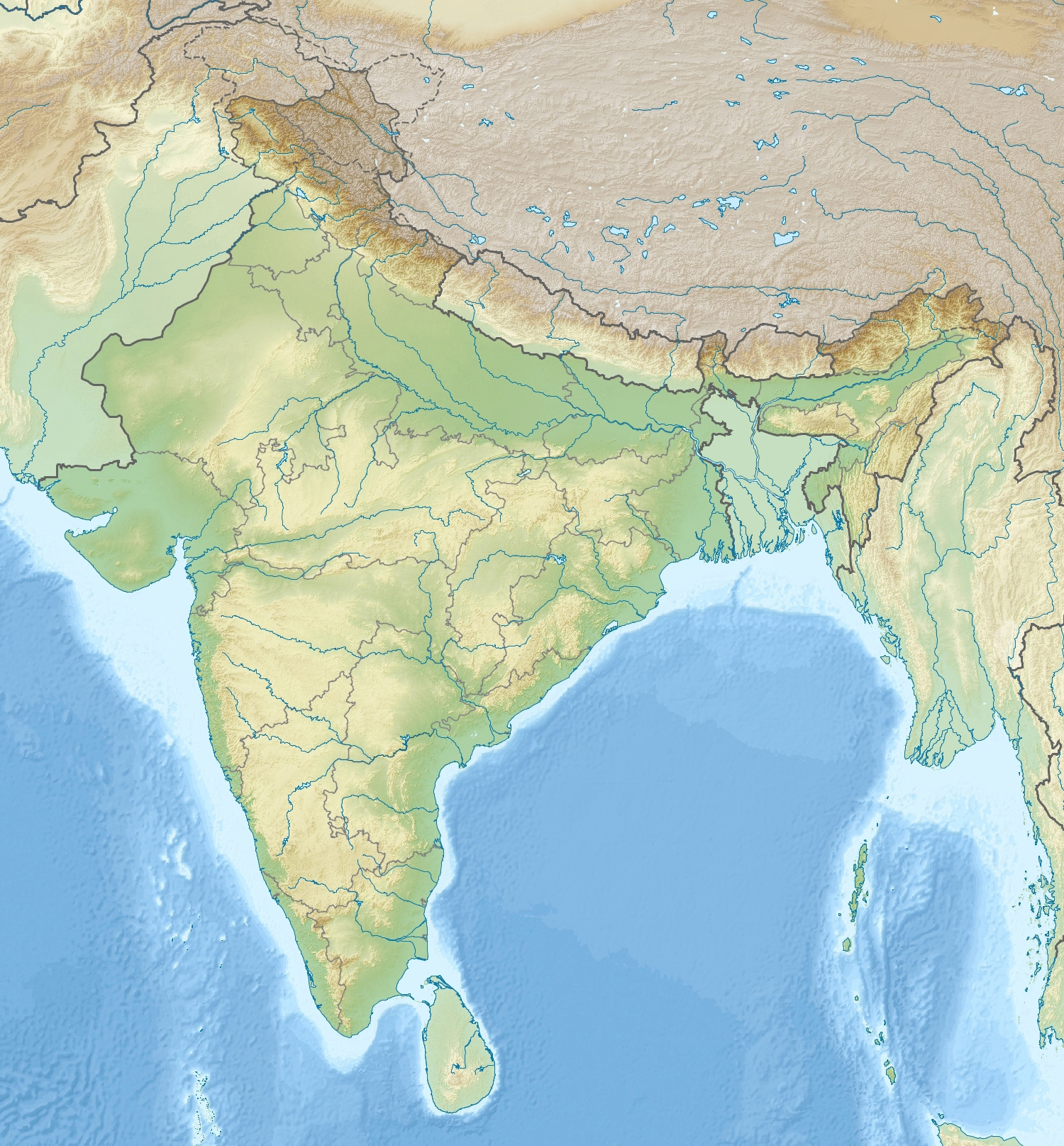 SutlejDhauladharHimachal PradeshGreat Himalayan NPKibber WLSHimachal Pradesh
📌 Why in News?
The Tribal Council of Great and Little Nicobar has raised concerns over alleged remarks that the Shompen should adopt a “modern lifestyle” in the context of the Great Nicobar Island (GNI) Project. The issue highlights tensions between infrastructure development, tribal rights and conservation. Shompen: An indigenous Particularly Vulnerable Tribal Group (PVTG) inhabiting Great Nicobar Island.
Syllabus & Relevance
Prelims: Environment — institutions, terminology and factual features connected with the development.
Mains: GS-3 — contemporary application of the relevant syllabus theme.
Current–static link: Revise the underlying institution, policy or concept together with this development.
Why it matters for India
Great Nicobar: Part of the Nicobar Islands, located close to major Indian Ocean–Malacca Strait sea routes.
Green India Mission: CAG Flags Implementation Gaps Glyphosate’s approved use in India has traditionally been associated with weed control in tea plantations.
The project has also gained significance in the context of India’s renewed focus on utilising the waters of the western rivers.
Static Foundation
Shompen: An indigenous Particularly Vulnerable Tribal Group (PVTG) inhabiting Great Nicobar Island.
Traditionally follow a largely hunter-gatherer and forest-dependent lifestyle.
They have relatively limited interaction with the outside world, making disease exposure and cultural disruption important concerns.
Great Nicobar: Part of the Nicobar Islands, located close to major Indian Ocean–Malacca Strait sea routes.
The GNI Project envisages major infrastructure including an International Container Transshipment Terminal at Galathea Bay, airport, power facilities and township.
The project has generated debate over forest diversion, biodiversity, tribal reserves and indigenous rights.
The Andaman and Nicobar Protection of Aboriginal Tribes Regulation, 1956 provides a framework for protecting indigenous communities and regulating access to tribal areas.
Data, Reports, Cases & Examples
The Andaman and Nicobar Protection of Aboriginal Tribes Regulation, 1956 provides a framework for protecting indigenous communities and regulating access to tribal areas.
Green India Mission: CAG Flags Implementation Gaps
Pesticides are regulated under the Insecticides Act, 1968 and related rules.
A 2022 Central Government notification sought to prohibit glyphosate use by persons other than pest-control operators, citing risks to human and animal health.
UPSC may test the difference between herbicides, insecticides and fungicides, pesticide regulation under the Insecticides Act, and ecological impacts of indiscriminate chemical use.
Type: Run-of-the-river hydropower scheme
Prelims Quick Facts
The Tribal Council of Great and Little Nicobar has raised concerns over alleged remarks that the Shompen should adopt a “modern lifestyle” in the context of the Great Nicobar Island (GNI) Project.
The issue highlights tensions between infrastructure development, tribal rights and conservation.
Shompen: An indigenous Particularly Vulnerable Tribal Group (PVTG) inhabiting Great Nicobar Island.
Traditionally follow a largely hunter-gatherer and forest-dependent lifestyle.
They have relatively limited interaction with the outside world, making disease exposure and cultural disruption important concerns.
Great Nicobar: Part of the Nicobar Islands, located close to major Indian Ocean–Malacca Strait sea routes.
The GNI Project envisages major infrastructure including an International Container Transshipment Terminal at Galathea Bay, airport, power facilities and township.
The project has generated debate over forest diversion, biodiversity, tribal reserves and indigenous rights.
Mains-only layer✍️ Open Mains Perspective & Answer FrameworkClick to expand ↓
Mains Perspective
Background and key dimensions
- They have relatively limited interaction with the outside world, making disease exposure and cultural disruption important concerns.
- Great Nicobar: Part of the Nicobar Islands, located close to major Indian Ocean–Malacca Strait sea routes.
- The GNI Project envisages major infrastructure including an International Container Transshipment Terminal at Galathea Bay, airport, power facilities and township.
- The project has generated debate over forest diversion, biodiversity, tribal reserves and indigenous rights.
- The Andaman and Nicobar Protection of Aboriginal Tribes Regulation, 1956 provides a framework for protecting indigenous communities and regulating access to tribal areas.
- PVTG protection → tribal autonomy → development-induced ecological/social impacts → sustainable development.
- Prelims Trap: Shompen are associated with Great Nicobar, not the Andaman Islands.
- Green India Mission: CAG Flags Implementation Gaps
- The Himachal Pradesh Forest Department is preparing FIRs over the alleged use of glyphosate to clear vegetation for pea cultivation on forest land in Mandi district.
- Officials have destroyed illegally cultivated crops and warned that glyphosate use may affect forest soil and nearby water sources.
- A broad-spectrum, systemic herbicide used primarily to control weeds.
- It inhibits the shikimate pathway, an important biochemical pathway in plants and some microorganisms.
Analytical use
- Connect the development with its institutional, policy, economic, social, environmental or security implications only where supported above.
- In a Mains answer, separate the verified development from broader evaluation and use the named evidence precisely.
Way forward
- Base recommendations on the gaps and institutional responsibilities identified in the source-grounded points.
Answer Framework
Introduction
Begin with the immediate development and identify the central institution or policy issue.
Body
- Explain the relevant static concept.
- Present the principal source-backed facts.
- Analyse significance for India and the syllabus theme.
- Discuss supported challenges or implementation gaps.
- Use one named law, report, institution, date or example from the evidence box.
Conclusion
End with a balanced, institutionally feasible way forward without making claims beyond the available evidence.
Possible Mains Question
Examine the significance of “Social Issues + Economy + Environment & Ecology”. Discuss its key implications and the way forward.