Locate the place
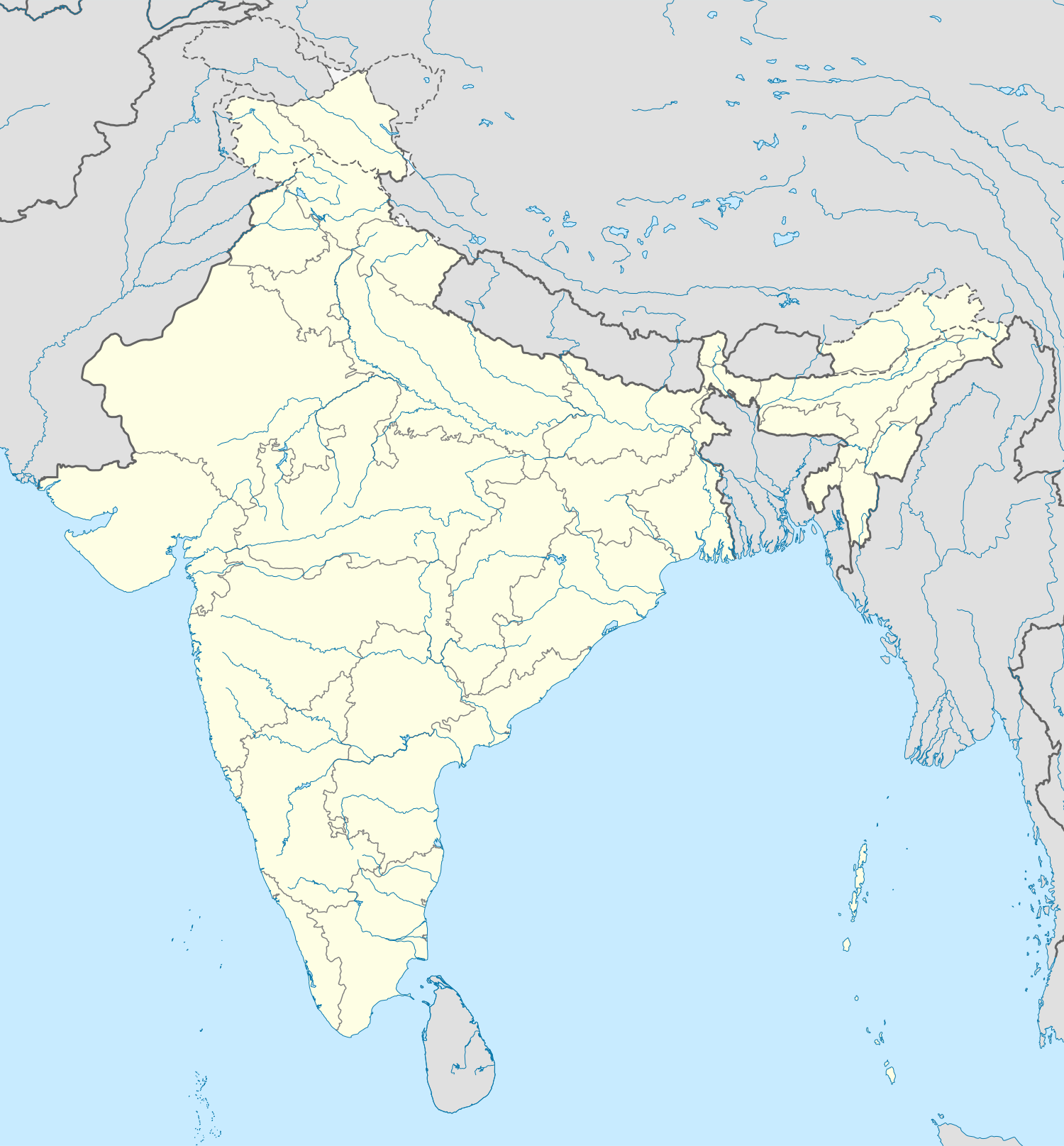 KonarkPuriOdisha
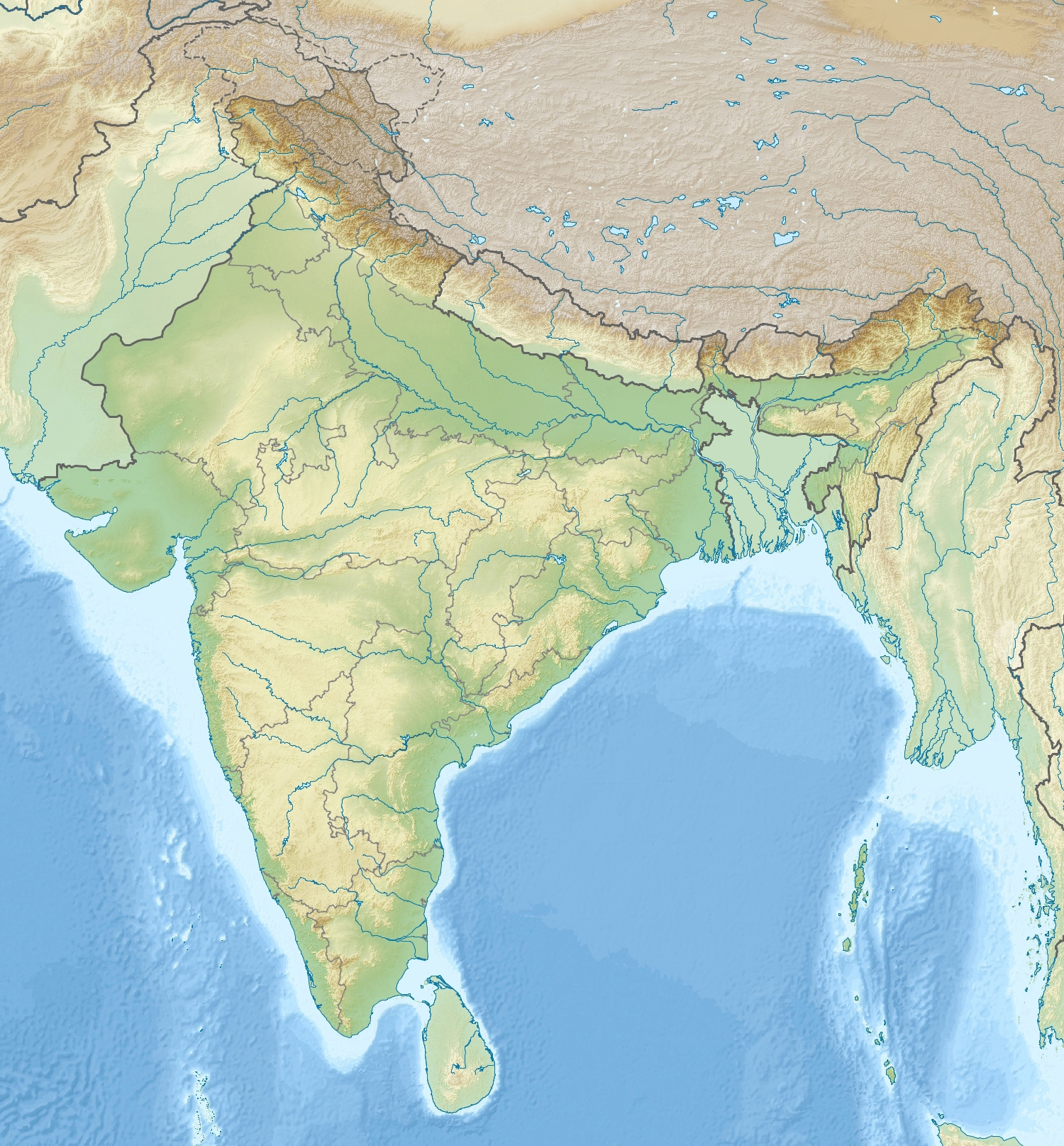 MahanadiChilika LakeOdisha
Marker uses stored geographic coordinates on equirectangular location-map bounds. India map bases: Wikimedia Commons / Uwe Dedering (CC BY-SA 3.0). World political base: public domain; physical world base: Gundan (CC BY-SA 4.0).
📌 Why in News?
**Context
The Strategic Forces Command (SFC)** successfully conducted a routine training launch of the Agni-IV intermediate-range ballistic missile off the coast of Odisha. About The Agni-IV Ballistic Missile: Agni-IV is an indigenous, nuclear-capable, two-stage solid-fueled Intermediate-Range Ballistic Missile (IRBM).
Syllabus & Relevance
Prelims: Science & Technology — institutions, terminology and factual features connected with the development.
Mains: GS-3 — contemporary application of the relevant syllabus theme.
Current–static link: Revise the underlying institution, policy or concept together with this development.
Why it matters for India
Operating with a strike range of approximately 4,000 kilometers, it serves as a core land-based component of India’s nuclear triad.
Aim: To provide a highly mobile, survivor-capable, and precise land-based nuclear deterrent against regional strategic threats across Asia, strengthening India’s policy of Credible Minimum Deterrence and No First Use.
Road mobility and rapid launch capability improve survivability against preemptive attacks, strengthening India’s nuclear deterrence.
Static Foundation
Agni-IV is an indigenous, nuclear-capable, two-stage solid-fueled Intermediate-Range Ballistic Missile (IRBM).
Operating with a strike range of approximately 4,000 kilometers, it serves as a core land-based component of India’s nuclear triad.
Designed & Developed By: Defence Research and Development Organisation (DRDO).
Aim: To provide a highly mobile, survivor-capable, and precise land-based nuclear deterrent against regional strategic threats across Asia, strengthening India’s policy of Credible Minimum Deterrence and No First Use.
Extended Strike Range: Capable of delivering a 1-tonne (1,000 kg) conventional or nuclear warhead up to a distance of 4,000 kilometers.
Solid-Propellant Propulsion: Powered by a high-performance two-stage solid-fuel engine housed in lightweight composite rocket motor casings.
Road-Mobile Survivability: Transportable and launchable via mobile Transporter Erector Launchers (TELs), enabling rapid repositioning across countrywide road networks to avoid targeting by enemy silo-tracking assets.
Data, Reports, Cases & Examples
Operating with a strike range of approximately 4,000 kilometers, it serves as a core land-based component of India’s nuclear triad.
Designed & Developed By: Defence Research and Development Organisation (DRDO).
Extended Strike Range: Capable of delivering a 1-tonne (1,000 kg) conventional or nuclear warhead up to a distance of 4,000 kilometers.
Stealth & Avionics Innovations: Designed with a significantly reduced radar cross-section (RCS) and re-entry heat shield technology, allowing the missile to withstand thermal re-entry temperatures above 3,000°C while resisting electronic countermeasures.
Redundant Digital Flight Controls: Features a distributed, high-speed digital computer bus and redundant flight-control architecture to guarantee trajectory accuracy and mission success.
Prelims Quick Facts
Context: The Strategic Forces Command (SFC) successfully conducted a routine training launch of the Agni-IV intermediate-range ballistic missile off the coast of Odisha.
About The Agni-IV Ballistic Missile:
Agni-IV is an indigenous, nuclear-capable, two-stage solid-fueled Intermediate-Range Ballistic Missile (IRBM).
Operating with a strike range of approximately 4,000 kilometers, it serves as a core land-based component of India’s nuclear triad.
Designed & Developed By: Defence Research and Development Organisation (DRDO).
Aim: To provide a highly mobile, survivor-capable, and precise land-based nuclear deterrent against regional strategic threats across Asia, strengthening India’s policy of Credible Minimum Deterrence and No First Use.
Extended Strike Range: Capable of delivering a 1-tonne (1,000 kg) conventional or nuclear warhead up to a distance of 4,000 kilometers.
Solid-Propellant Propulsion: Powered by a high-performance two-stage solid-fuel engine housed in lightweight composite rocket motor casings.
Mains-only layer✍️ Open Mains Perspective & Answer FrameworkClick to expand ↓
Mains Perspective
Background and key dimensions
- Designed & Developed By: Defence Research and Development Organisation (DRDO).
- Aim: To provide a highly mobile, survivor-capable, and precise land-based nuclear deterrent against regional strategic threats across Asia, strengthening India’s policy of Credible Minimum Deterrence and No First Use.
- Extended Strike Range: Capable of delivering a 1-tonne (1,000 kg) conventional or nuclear warhead up to a distance of 4,000 kilometers.
- Solid-Propellant Propulsion: Powered by a high-performance two-stage solid-fuel engine housed in lightweight composite rocket motor casings.
- Road-Mobile Survivability: Transportable and launchable via mobile Transporter Erector Launchers (TELs), enabling rapid repositioning across countrywide road networks to avoid targeting by enemy silo-tracking assets.
- Advanced Inertial Navigation: Incorporates an indigenous Ring Laser Gyroscope-based Inertial Navigation System (RINS) paired with a Micro-Inertial Navigation System (MINGS) for high-precision targeted strikes.
- Stealth & Avionics Innovations: Designed with a significantly reduced radar cross-section (RCS) and re-entry heat shield technology, allowing the missile to withstand thermal re-entry temperatures above 3,000°C while resisting electronic countermeasures.
- Redundant Digital Flight Controls: Features a distributed, high-speed digital computer bus and redundant flight-control architecture to guarantee trajectory accuracy and mission success.
- Road mobility and rapid launch capability improve survivability against preemptive attacks, strengthening India’s nuclear deterrence.
- Technologies like composite materials, ring laser gyroscopes, and digital controllers enabled the development of Agni-V and Agni-P.
Analytical use
- Connect the development with its institutional, policy, economic, social, environmental or security implications only where supported above.
- In a Mains answer, separate the verified development from broader evaluation and use the named evidence precisely.
Way forward
- Base recommendations on the gaps and institutional responsibilities identified in the source-grounded points.
Answer Framework
Introduction
Begin with the immediate development and identify the central institution or policy issue.
Body
- Explain the relevant static concept.
- Present the principal source-backed facts.
- Analyse significance for India and the syllabus theme.
- Discuss supported challenges or implementation gaps.
- Use one named law, report, institution, date or example from the evidence box.
Conclusion
End with a balanced, institutionally feasible way forward without making claims beyond the available evidence.
Possible Mains Question
Examine the significance of “The Agni-IV Ballistic Missile”. Discuss its key implications and the way forward.