Locate the place
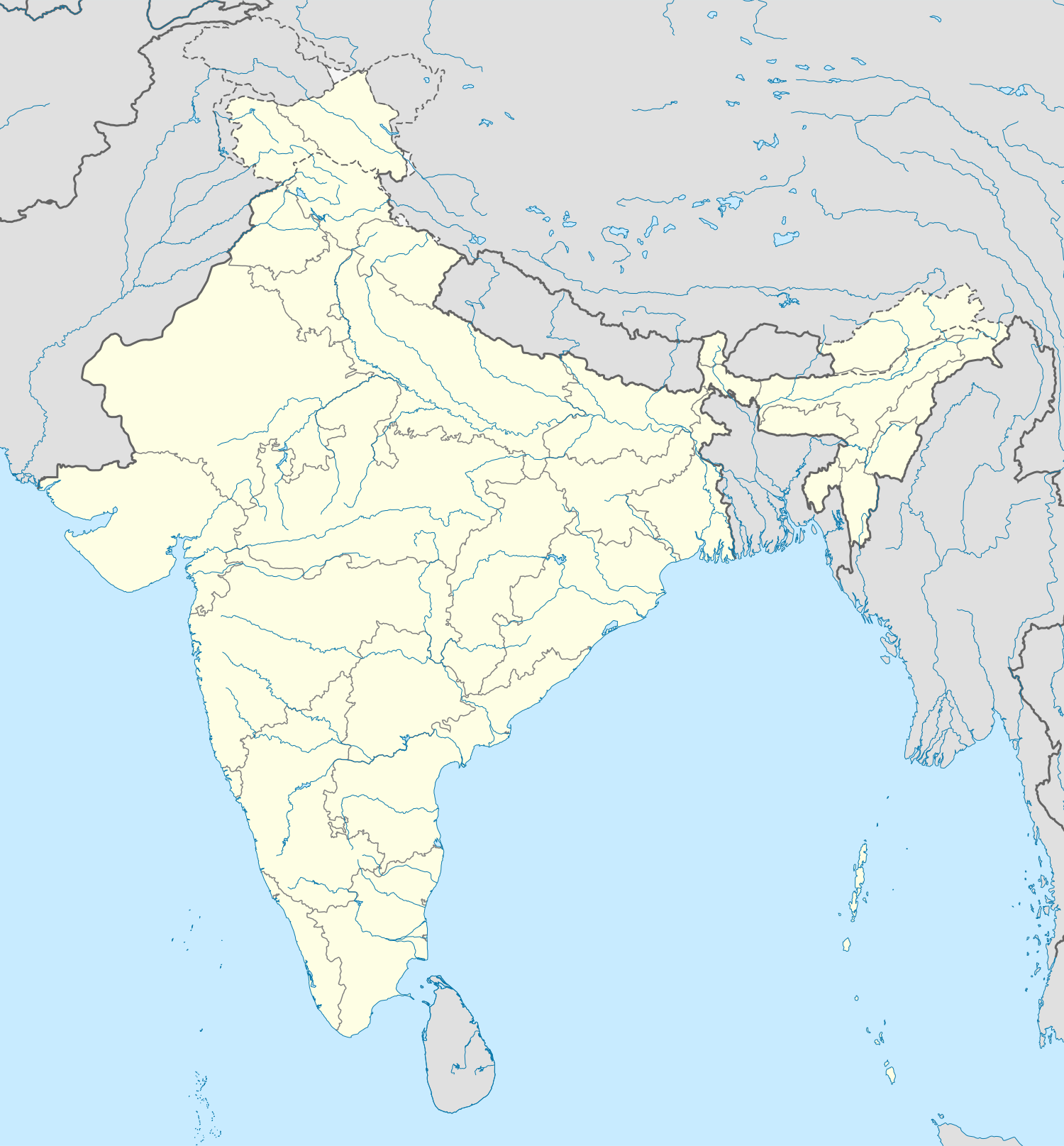 Ajanta CavesEllora CavesMumbai
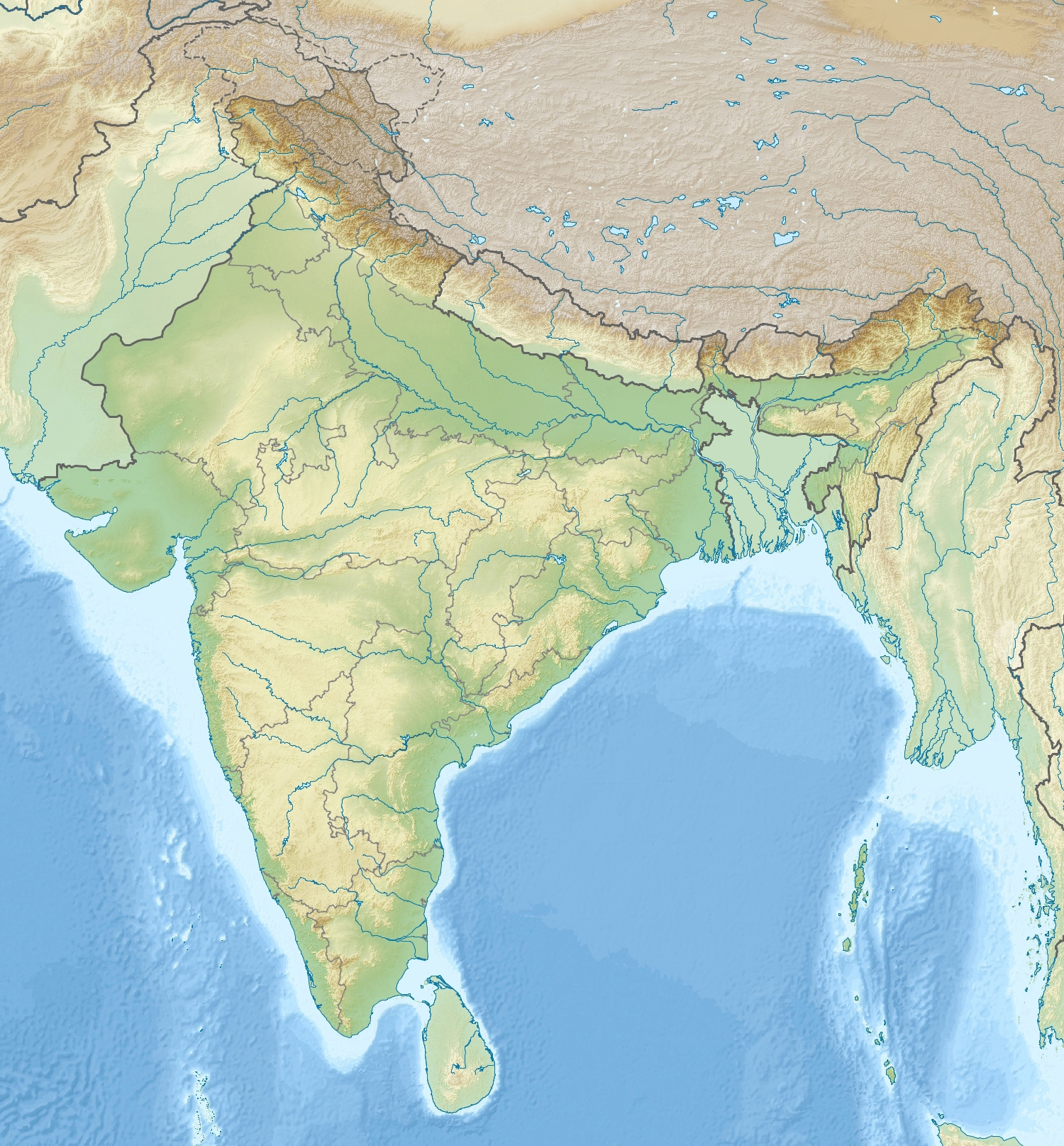 Western GhatsGodavariMumbai
Marker uses stored geographic coordinates on equirectangular location-map bounds. India map bases: Wikimedia Commons / Uwe Dedering (CC BY-SA 3.0). World political base: public domain; physical world base: Gundan (CC BY-SA 4.0).
📌 Why in News?
The Chairman of the Rajya Sabha made a solemn reference in Parliament to commemorate the 84th Anniversary of the Quit India Movement. The observance highlights the historical significance of the mass civil disobedience launched to demand an immediate end to British colonial rule in India.
Syllabus & Relevance
Prelims domain: Modern Indian History - Indian National Movement.
Mains syllabus: GS Paper I - Modern Indian History from about the middle of the eighteenth century until the present- significant events, personalities, issues.
Current-static link: Parliamentary commemoration linking historical national movements with contemporary national identity.
Why it matters for India
Commemorating the Quit India Movement underscores India's democratic values, national sovereignty, and the immense sacrifices made by freedom fighters.
It provides essential historical perspective on India's constitutional journey and sovereign identity.
Static Foundation
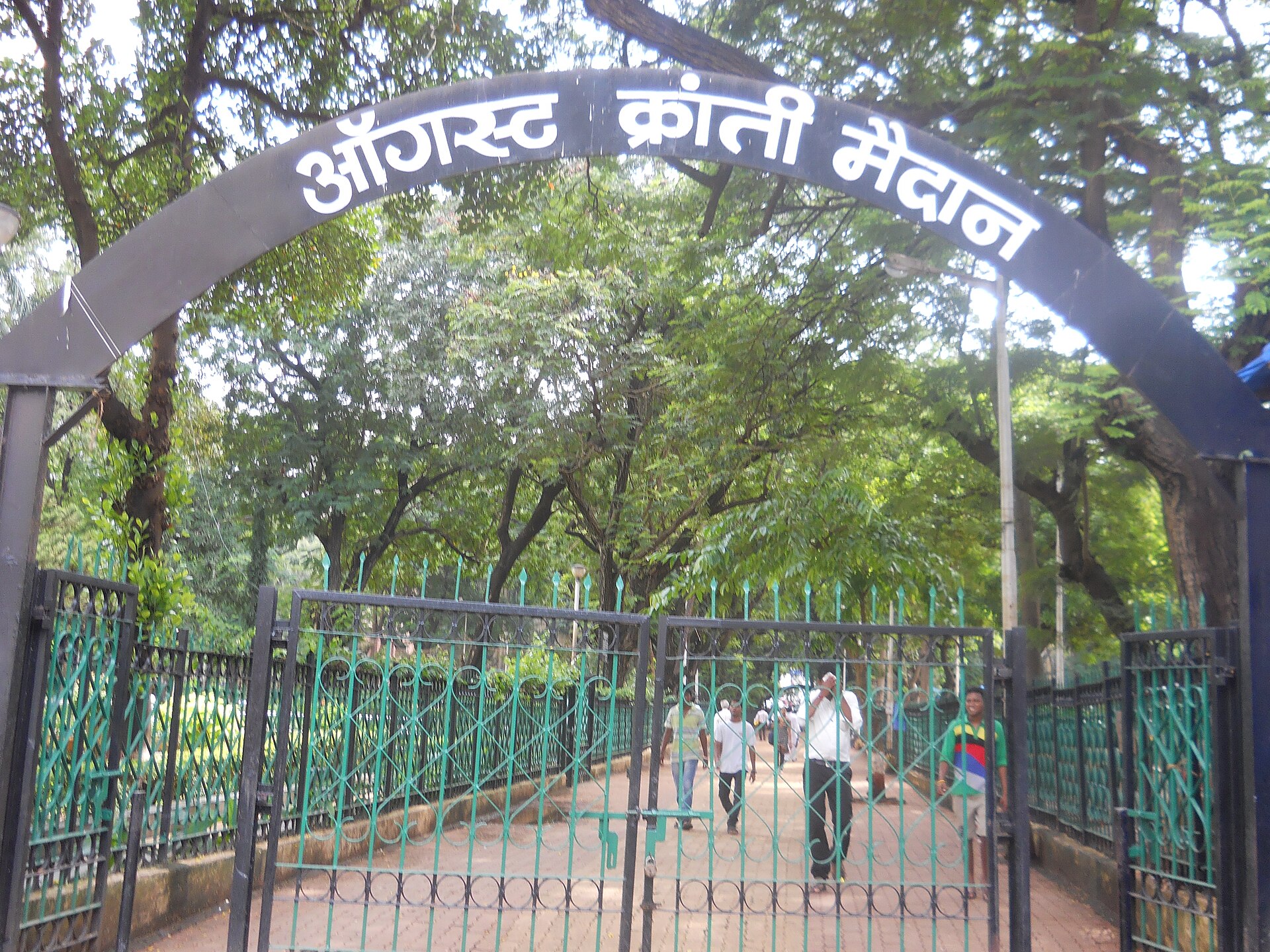
Launched as the Bharat Chhod Aandolan (August Kranti) on August 8-9, 1942, at Gowalia Tank Maidan, Bombay.
Key leadership included Mahatma Gandhi, Jawaharlal Nehru, Sardar Vallabhbhai Patel, Maulana Abul Kalam Azad, and Aruna Asaf Ali.
Famous slogan given by Mahatma Gandhi: Do or Die (Karo ya Maro).
Triggered by the failure of the Cripps Mission (March 1942) and growing threats from World War II.
Characterized by a spontaneous, leaderless popular revolt following Operation Zero Hour arrests.
Notable parallel governments included Tamluk Jatiya Sarkar, Satara Prati Sarkar, and Balia's administration.
Data, Reports, Cases & Examples
August 8-9, 1942: Official launch dates of the Quit India Movement at Gowalia Tank Maidan, Bombay.
December 1941: Japan's attack on Pearl Harbor, bringing World War II to India's doorstep.
March 1942: Failure of the **Cripps Mission **dispatched by British PM Winston Churchill.
5:00 AM on August 9, 1942: Execution of Operation Zero Hour, resulting in the immediate arrest of top INC leaders.
Over 100,000 individuals: Total number of people imprisoned during severe colonial repression.
Prelims Quick Facts
August Kranti Maidan: Formerly known as Gowalia Tank Maidan in Bombay (Mumbai) where the movement was launched.
Operation Zero Hour: The pre-dawn sweep at 5:00 AM on August 9, 1942, that arrested top INC leaders.
Congress Radio: Secret radio network operated by Usha Mehta during underground resistance.
Parallel Governments: Established in Tamluk (Bengal), Satara (Maharashtra), and Balia (Uttar Pradesh).
Key Personalities: Aruna Asaf Ali hoisted the national flag; Nana Patil led Satara Prati Sarkar; Chittu Pandey led Balia.
Prelims Trap: The movement was formally launched by the Indian National Congress, but the initial phase saw a leaderless, spontaneous mass uprising due to Operation Zero Hour arrests rather than organized central command.
Prelims Trap: The **Cripps Mission **offered post-war Dominion Status, not immediate independence or complete self-government.
Mains-only layer✍️ Open Mains Perspective & Answer FrameworkClick to expand ↓
Mains Perspective
Background
The movement was born out of deep frustration following the failure of the **Cripps Mission **in March 1942, which offered only post-war Dominion Status. Combined with the direct threat of World War II following Japan's advance through Southeast Asia and the fall of Singapore and Rangoon, Mahatma Gandhi concluded that immediate British withdrawal was vital. The Congress Working Committee passed the draft at Wardha in July 1942, which was ratified at the AICC session in Bombay on August 8, 1942.
Significance
The Quit India Movement marked a qualitative shift in India's freedom struggle. By paralyzing colonial machinery through mass strikes, rail sabotage, and telegraph disruption, it demonstrated that governing India without consent was no longer sustainable. It fast-tracked post-war constitutional negotiations and made eventual independence by 1947 inevitable.
India-specific Implications
The uprising united diverse industrial and rural hubs across Bombay, Ahmedabad, Delhi, Bihar, Bengal, Karnataka, and UP, fostering a collective national consciousness that transcended regional and provincial boundaries.
Challenges and Criticisms
The movement faced severe colonial repression, including police firings, heavy fines, and the imprisonment of over 100,000 individuals. The sudden arrest of top leadership under Operation Zero Hour also created an immediate leadership vacuum, forcing decentralized and underground resistance.
Way Forward
The ideals of the Quit India Movement serve as a foundational pillar for modern Indian democracy. Preserving its memory inspires civic responsibility, national unity, and democratic resilience in addressing contemporary socio-political challenges.
Answer Framework
Introduction: Define the Quit India Movement (August Kranti) of 1942 as a decisive mass civil disobedience movement led by the INC calling for an immediate end to British rule.
Body Dimensions:
- Discuss the triggers, including the failure of the **Cripps Mission **and WWII threats.
- Analyze the unique nature of the movement, highlighting Operation Zero Hour, leaderless spontaneous uprisings, and parallel governments (Prati Sarkar).
- Examine the outcomes, such as the irreversible loss of British authority and accelerated transition to independence
Conclusion
Summarize how the movement's call of 'Do or Die' permanently altered the trajectory of Indian history, paving the way for sovereign independence in 1947.
Possible Mains Question
Examine the circumstances that led to the launch of the Quit India Movement in 1942 and discuss its significance in India's struggle for independence.