Locate the place
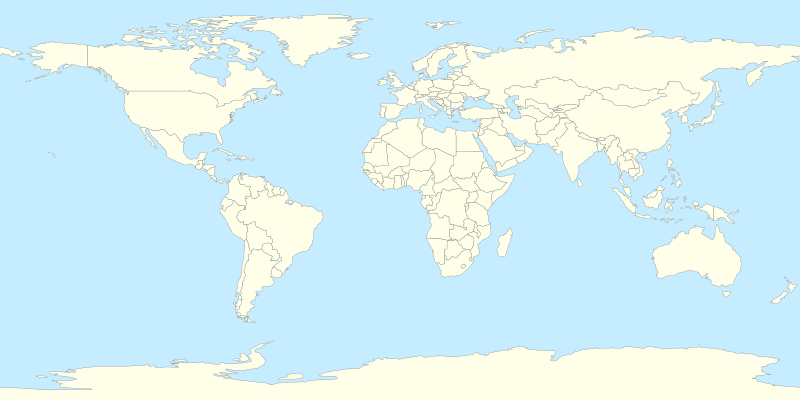 IranSaudi ArabiaAfghanistanStrait of Hormuz
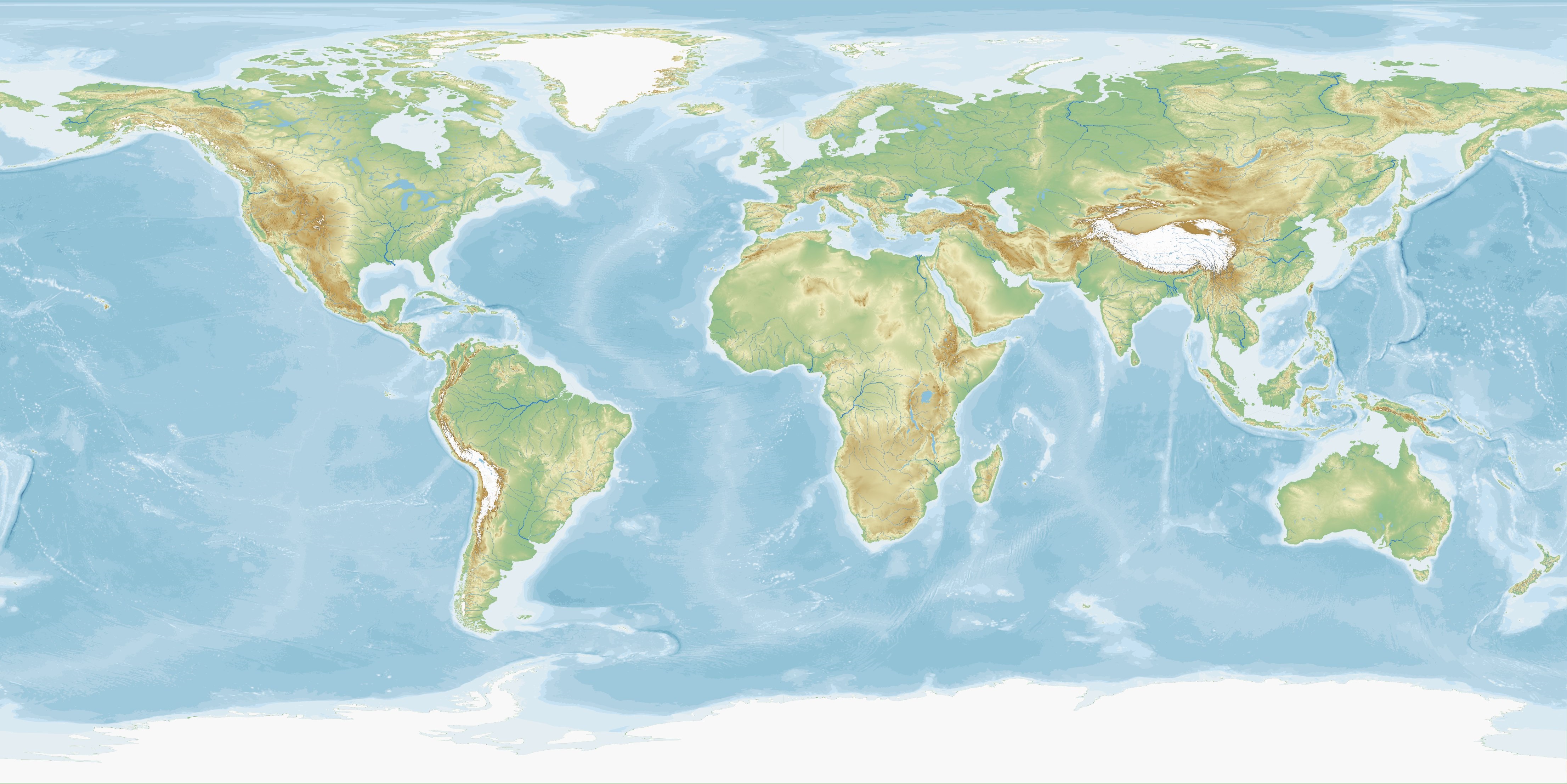 Strait of Hormuz
Marker uses stored geographic coordinates on equirectangular location-map bounds. India map bases: Wikimedia Commons / Uwe Dedering (CC BY-SA 3.0). World political base: public domain; physical world base: Gundan (CC BY-SA 4.0).
📌 Why in News?
Context
Union Minister of Ports, Shipping and Waterways launched a whole-of-government ‘Seafarer-First’ response following attacks on two merchant vessels (MT Al Bahiyah and MT Mombasa) carrying Indian crew members in the Strait of Hormuz. About The ‘Seafarer-First’ initiative: The ‘Seafarer-First’ initiative is an emergency, whole-of-government contingency mechanism launched by India to safeguard, track, and support all Indian seafarers operating in high-risk, conflict-affected maritime zones across West Asia (including the Persian Gulf, Strait of Hormuz, and Gulf of Oman) regardless of the flag state of their vessels.
Syllabus & Relevance
Prelims: Government Schemes — institutions, terminology and factual features connected with the development.
Mains: GS-2 — contemporary application of the relevant syllabus theme.
Current–static link: Revise the underlying institution, policy or concept together with this development.
Why it matters for India
Context: Union Minister of Ports, Shipping and Waterways launched a whole-of-government ‘Seafarer-First’ response following attacks on two merchant vessels (MT Al Bahiyah and MT Mombasa) carrying Indian crew members in the Strait of Hormuz.
The ‘Seafarer-First’ initiative is an emergency, whole-of-government contingency mechanism launched by India to safeguard, track, and support all Indian seafarers operating in high-risk, conflict-affected maritime zones across West Asia (including the Persian Gulf, Strait of Hormuz, and Gulf of Oman) regardless of the flag state of their vessels.
Aim: To individually account for every Indian seafarer in conflict zones, protect their legal and contractual rights, provide 24×7 emergency and medical support, and ensure that no seafarer is forced to sail into high-risk areas without informed consent and protection.
Flag-Neutral Operational Dashboard: Mandates the Directorate General of Shipping (DGS) to maintain a live, vessel-by-vessel tracking system monitoring location, crew status, cargo, and risk levels for every Indian seafarer, irrespective of ship flags.
Static Foundation
The ‘Seafarer-First’ initiative is an emergency, whole-of-government contingency mechanism launched by India to safeguard, track, and support all Indian seafarers operating in high-risk, conflict-affected maritime zones across West Asia (including the Persian Gulf, Strait of Hormuz, and Gulf of Oman) regardless of the flag state of their vessels.
Nodal Ministry: Ministry of Ports, Shipping and Waterways (MoPSW)
Aim: To individually account for every Indian seafarer in conflict zones, protect their legal and contractual rights, provide 24×7 emergency and medical support, and ensure that no seafarer is forced to sail into high-risk areas without informed consent and protection.
Flag-Neutral Operational Dashboard: Mandates the Directorate General of Shipping (DGS) to maintain a live, vessel-by-vessel tracking system monitoring location, crew status, cargo, and risk levels for every Indian seafarer, irrespective of ship flags.
Dedicated Liaison Officers: Appoints a dedicated officer for every affected seafarer to serve as a single point of contact for families, coordinating medical care, repatriation, legal claims, wage settlements, and Seafarers **Welfare Fund **assistance.
24×7 Multi-Channel Support System: Activates round-the-clock emergency assistance lines via domestic toll-free, international helpline, WhatsApp, and email.
Strict Employer & RPSL Compliance: Directs shipowners and Recruitment and Placement Service Licence (RPSL) agencies to ensure no Indian seafarer is compelled to sail through high-risk zones against their will.
Data, Reports, Cases & Examples
Nodal Ministry: Ministry of Ports, Shipping and Waterways (MoPSW)
Aim: To individually account for every Indian seafarer in conflict zones, protect their legal and contractual rights, provide 24×7 emergency and medical support, and ensure that no seafarer is forced to sail into high-risk areas without informed consent and protection.
24×7 Multi-Channel Support System: Activates round-the-clock emergency assistance lines via domestic toll-free, international helpline, WhatsApp, and email.
Prelims Quick Facts
Context: Union Minister of Ports, Shipping and Waterways launched a whole-of-government ‘Seafarer-First’ response following attacks on two merchant vessels (MT Al Bahiyah and MT Mombasa) carrying Indian crew members in the Strait of Hormuz.
About The ‘Seafarer-First’ initiative:
The ‘Seafarer-First’ initiative is an emergency, whole-of-government contingency mechanism launched by India to safeguard, track, and support all Indian seafarers operating in high-risk, conflict-affected maritime zones across West Asia (including the Persian Gulf, Strait of Hormuz, and Gulf of Oman) regardless of the flag state of their vessels.
Nodal Ministry: Ministry of Ports, Shipping and Waterways (MoPSW)
Aim: To individually account for every Indian seafarer in conflict zones, protect their legal and contractual rights, provide 24×7 emergency and medical support, and ensure that no seafarer is forced to sail into high-risk areas without informed consent and protection.
Flag-Neutral Operational Dashboard: Mandates the Directorate General of Shipping (DGS) to maintain a live, vessel-by-vessel tracking system monitoring location, crew status, cargo, and risk levels for every Indian seafarer, irrespective of ship flags.
Dedicated Liaison Officers: Appoints a dedicated officer for every affected seafarer to serve as a single point of contact for families, coordinating medical care, repatriation, legal claims, wage settlements, and Seafarers **Welfare Fund **assistance.
24×7 Multi-Channel Support System: Activates round-the-clock emergency assistance lines via domestic toll-free, international helpline, WhatsApp, and email.
Mains-only layer✍️ Open Mains Perspective & Answer FrameworkClick to expand ↓
Mains Perspective
Background and key dimensions
- Aim: To individually account for every Indian seafarer in conflict zones, protect their legal and contractual rights, provide 24×7 emergency and medical support, and ensure that no seafarer is forced to sail into high-risk areas without informed consent and protection.
- Flag-Neutral Operational Dashboard: Mandates the Directorate General of Shipping (DGS) to maintain a live, vessel-by-vessel tracking system monitoring location, crew status, cargo, and risk levels for every Indian seafarer, irrespective of ship flags.
- Dedicated Liaison Officers: Appoints a dedicated officer for every affected seafarer to serve as a single point of contact for families, coordinating medical care, repatriation, legal claims, wage settlements, and Seafarers **Welfare Fund **assistance.
- 24×7 Multi-Channel Support System: Activates round-the-clock emergency assistance lines via domestic toll-free, international helpline, WhatsApp, and email.
- Strict Employer & RPSL Compliance: Directs shipowners and Recruitment and Placement Service Licence (RPSL) agencies to ensure no Indian seafarer is compelled to sail through high-risk zones against their will.
- Fresh Threat-Based Voyage Approvals: Requires vessel movements through affected West Asian waters to undergo pre-voyage threat assessments, Master’s professional evaluation, and close coordination with naval/coastal authorities.
- Recognizes seafarers as key workers, ensuring legal, humanitarian, and financial protection during crises.
- Reinforces international maritime law and safeguards vital shipping routes like the Strait of Hormuz for global energy trade.
Analytical use
- Connect the development with its institutional, policy, economic, social, environmental or security implications only where supported above.
- In a Mains answer, separate the verified development from broader evaluation and use the named evidence precisely.
Way forward
- Base recommendations on the gaps and institutional responsibilities identified in the source-grounded points.
Answer Framework
Introduction
Begin with the immediate development and identify the central institution or policy issue.
Body
- Explain the relevant static concept.
- Present the principal source-backed facts.
- Analyse significance for India and the syllabus theme.
- Discuss supported challenges or implementation gaps.
- Use one named law, report, institution, date or example from the evidence box.
Conclusion
End with a balanced, institutionally feasible way forward without making claims beyond the available evidence.
Possible Mains Question
Examine the significance of “The ‘Seafarer-First’ initiative”. Discuss its key implications and the way forward.