Locate the place
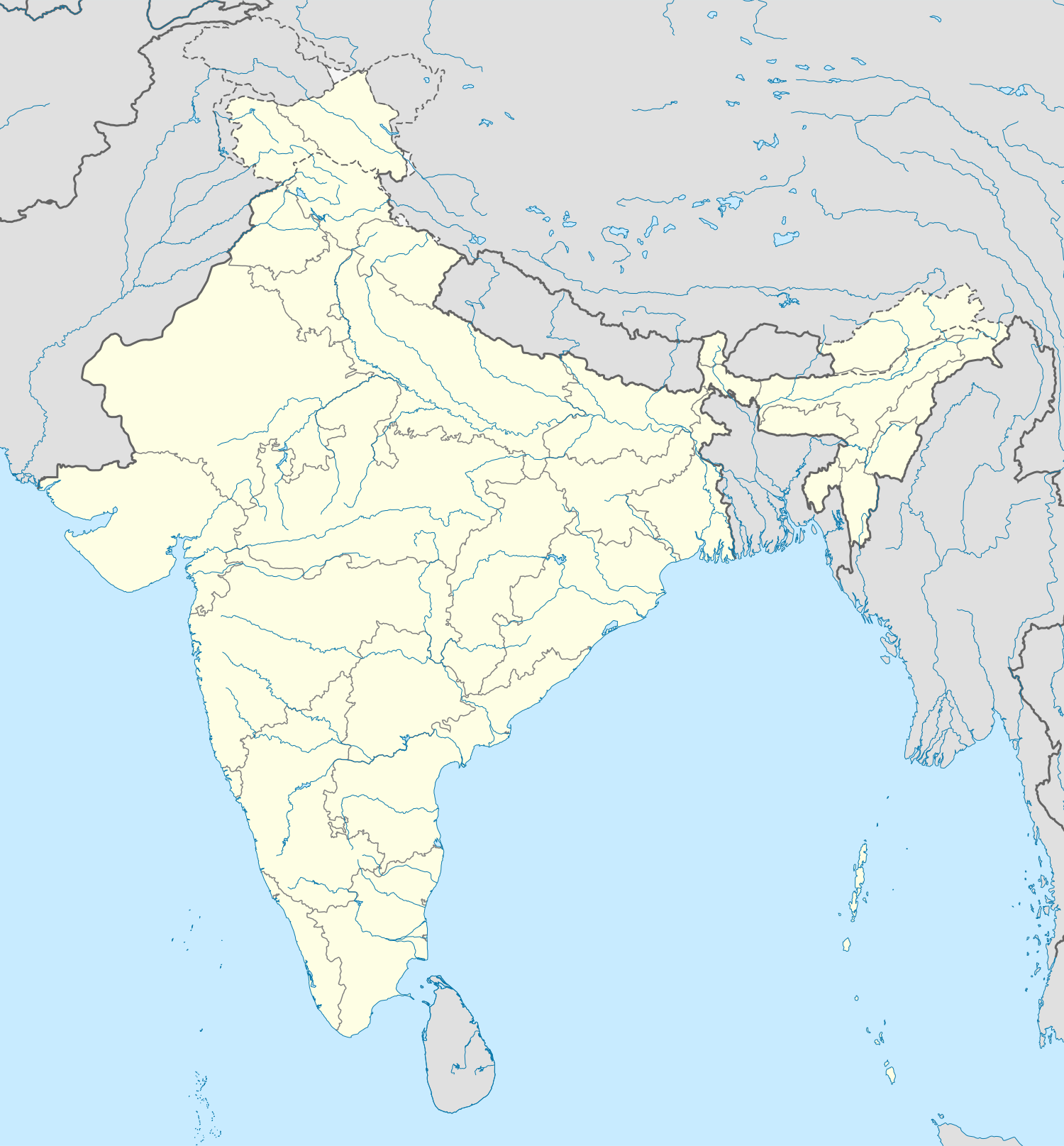 KazirangaMajuliAssam
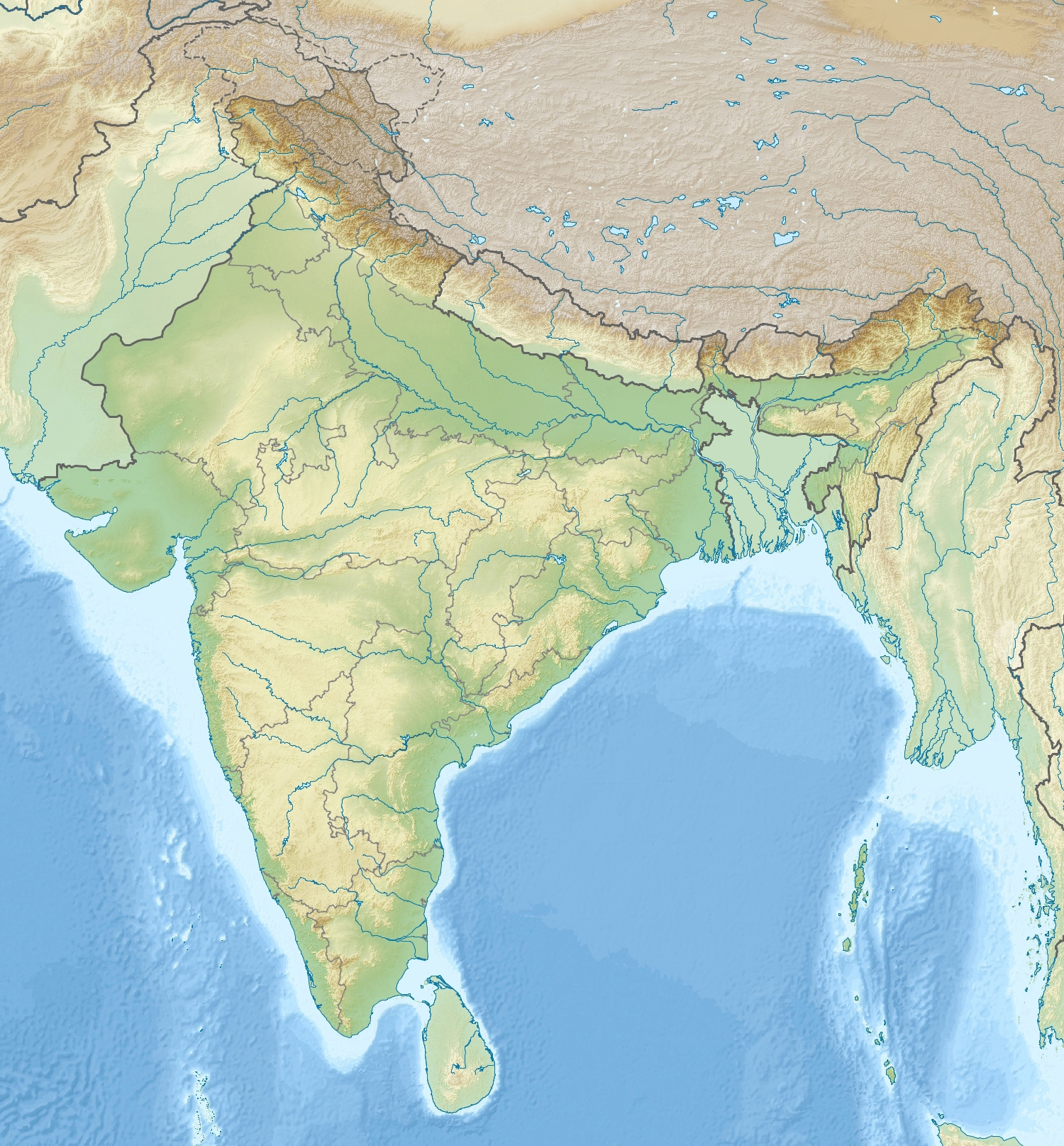 BrahmaputraBarail HillsAssam
Marker uses stored geographic coordinates on equirectangular location-map bounds. India map bases: Wikimedia Commons / Uwe Dedering (CC BY-SA 3.0). World political base: public domain; physical world base: Gundan (CC BY-SA 4.0).
📌 Why in News?
Context
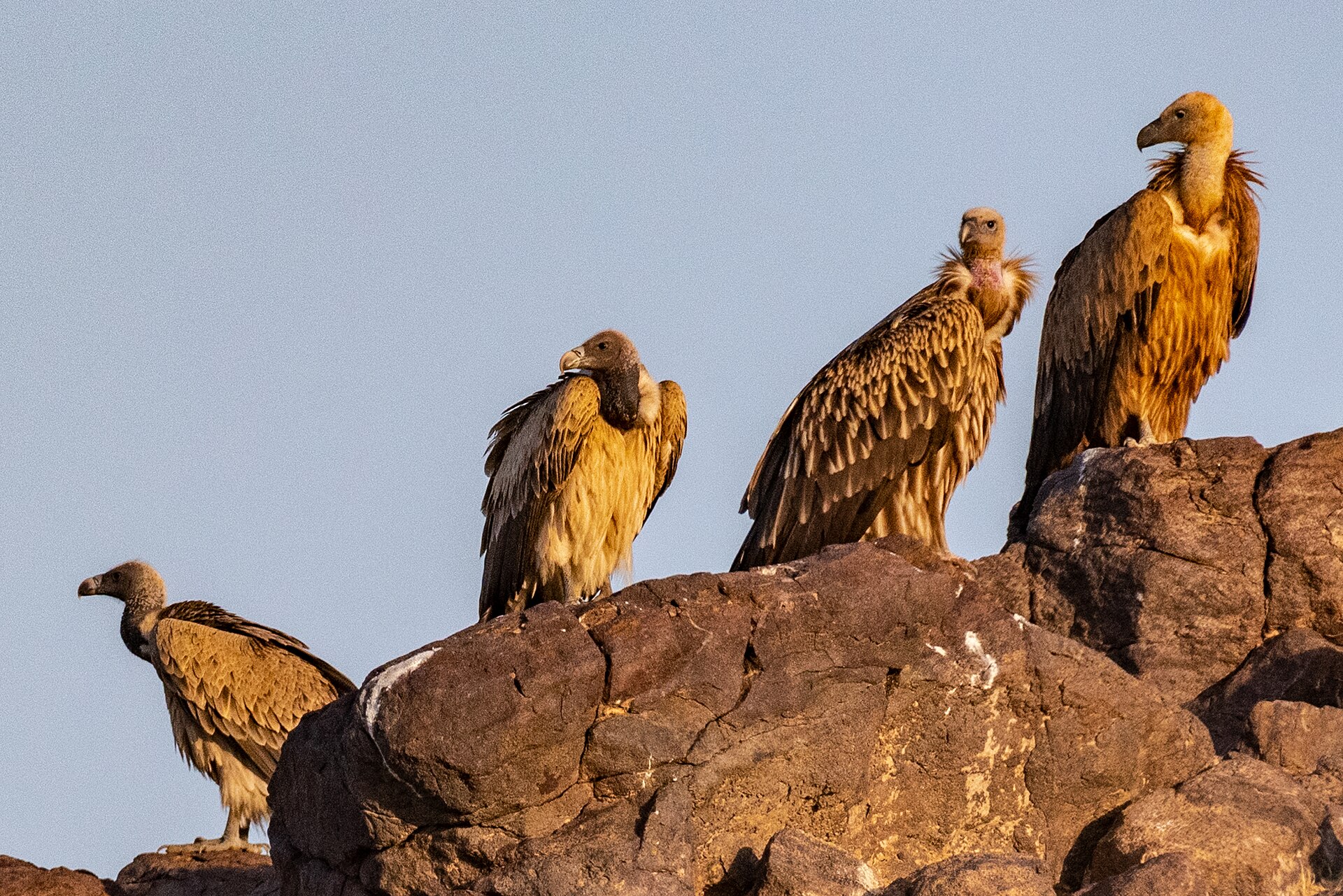
In a world-first milestone, five captive-bred Slender-billed vultures along with five White-rumped vultures were released into the wild using the ‘Soft Release’ scientific method in the Biswanath Wildlife Division of Kaziranga National Park, Assam. About Slender-billed vultures and White-rumped vultures: About Slender-Billed Vulture (Gyps tenuirostris):
Syllabus & Relevance
Prelims: Polity & Governance — institutions, terminology and factual features connected with the development.
Mains: GS-2 — contemporary application of the relevant syllabus theme.
Current–static link: Revise the underlying institution, policy or concept together with this development.
Why it matters for India
Once considered a subspecies of the Indian Vulture (under the name Long-billed Vulture), it is now classified as a distinct species native to South Asia and parts of Southeast Asia.
Distribution: Found in sub-Himalayan regions across northern/eastern India (notably Assam), Nepal, Bangladesh, Myanmar, and Cambodia.
Distribution: Resident populations remain across northern/central India, Pakistan, Nepal, Bangladesh, and localized pockets of Southeast Asia.
Static Foundation
About Slender-Billed Vulture (Gyps tenuirostris):
An Old World scavenger bird of prey belonging to the family Accipitridae.
Once considered a subspecies of the Indian Vulture (under the name Long-billed Vulture), it is now classified as a distinct species native to South Asia and parts of Southeast Asia.
Habitat: Savannas, open arid landscapes, dry deciduous forests, and river valleys, primarily at lower elevations.
It avoids dense human habitations but occasionally visits slaughterhouses or garbage dumps for carrion.
Distribution: Found in sub-Himalayan regions across northern/eastern India (notably Assam), Nepal, Bangladesh, Myanmar, and Cambodia.
IUCN Red List: Critically Endangered
Data, Reports, Cases & Examples
Distinct Physical Features: Medium-to-large vulture measuring 77–103 cm in length with a 196–258 cm wingspan.
Bill Structure: Possesses a distinct, shiny, slender beak adapted for deep carcass feeding.
Formerly recognized as one of the most abundant large birds of prey in the world during the 1980s, its global population collapsed by over 99% within two decades due to veterinary drug toxicity.
Size Profile: Measures 75–93 cm in length, weighs 3.5–6 kg, and has a wingspan ranging between 1.92–2.13 meters.
Tail Feather Distinction: Possesses 12 tail feathers, contrasting with the 14 tail feathers found in most other Gyps vulture species.
Prelims Quick Facts
Context: In a world-first milestone, five captive-bred Slender-billed vultures along with five White-rumped vultures were released into the wild using the ‘Soft Release’ scientific method in the Biswanath Wildlife Division of Kaziranga National Park, Assam.
About Slender-billed vultures and White-rumped vultures:
About Slender-Billed Vulture (Gyps tenuirostris):
An Old World scavenger bird of prey belonging to the family Accipitridae.
Once considered a subspecies of the Indian Vulture (under the name Long-billed Vulture), it is now classified as a distinct species native to South Asia and parts of Southeast Asia.
Habitat: Savannas, open arid landscapes, dry deciduous forests, and river valleys, primarily at lower elevations.
It avoids dense human habitations but occasionally visits slaughterhouses or garbage dumps for carrion.
Distribution: Found in sub-Himalayan regions across northern/eastern India (notably Assam), Nepal, Bangladesh, Myanmar, and Cambodia.
Mains-only layer✍️ Open Mains Perspective & Answer FrameworkClick to expand ↓
Mains Perspective
Background and key dimensions
- Once considered a subspecies of the Indian Vulture (under the name Long-billed Vulture), it is now classified as a distinct species native to South Asia and parts of Southeast Asia.
- Habitat: Savannas, open arid landscapes, dry deciduous forests, and river valleys, primarily at lower elevations.
- It avoids dense human habitations but occasionally visits slaughterhouses or garbage dumps for carrion.
- Distribution: Found in sub-Himalayan regions across northern/eastern India (notably Assam), Nepal, Bangladesh, Myanmar, and Cambodia.
- IUCN Red List: Critically Endangered
- Distinct Physical Features: Medium-to-large vulture measuring 77–103 cm in length with a 196–258 cm wingspan.
- Bare Head & Neck: Features an unfeathered, narrow, elongated black head and a long, skinny black neck, giving it a scruffy or disheveled look.
- Bill Structure: Possesses a distinct, shiny, slender beak adapted for deep carcass feeding.
- Plumage: Covered in dark brown, light brown, and beige body feathers, with cream-colored feathering on its legs visible during flight.
- About White-Rumped Vulture (Gyps bengalensis):
- The smallest among the Old World Gyps vultures native to South and Southeast Asia.
- Formerly recognized as one of the most abundant large birds of prey in the world during the 1980s, its global population collapsed by over 99% within two decades due to veterinary drug toxicity.
Analytical use
- Connect the development with its institutional, policy, economic, social, environmental or security implications only where supported above.
- In a Mains answer, separate the verified development from broader evaluation and use the named evidence precisely.
Way forward
- Base recommendations on the gaps and institutional responsibilities identified in the source-grounded points.
Answer Framework
Introduction
Begin with the immediate development and identify the central institution or policy issue.
Body
- Explain the relevant static concept.
- Present the principal source-backed facts.
- Analyse significance for India and the syllabus theme.
- Discuss supported challenges or implementation gaps.
- Use one named law, report, institution, date or example from the evidence box.
Conclusion
End with a balanced, institutionally feasible way forward without making claims beyond the available evidence.
Possible Mains Question
Examine the significance of “The Slender-billed vultures and White-rumped vultures”. Discuss its key implications and the way forward.