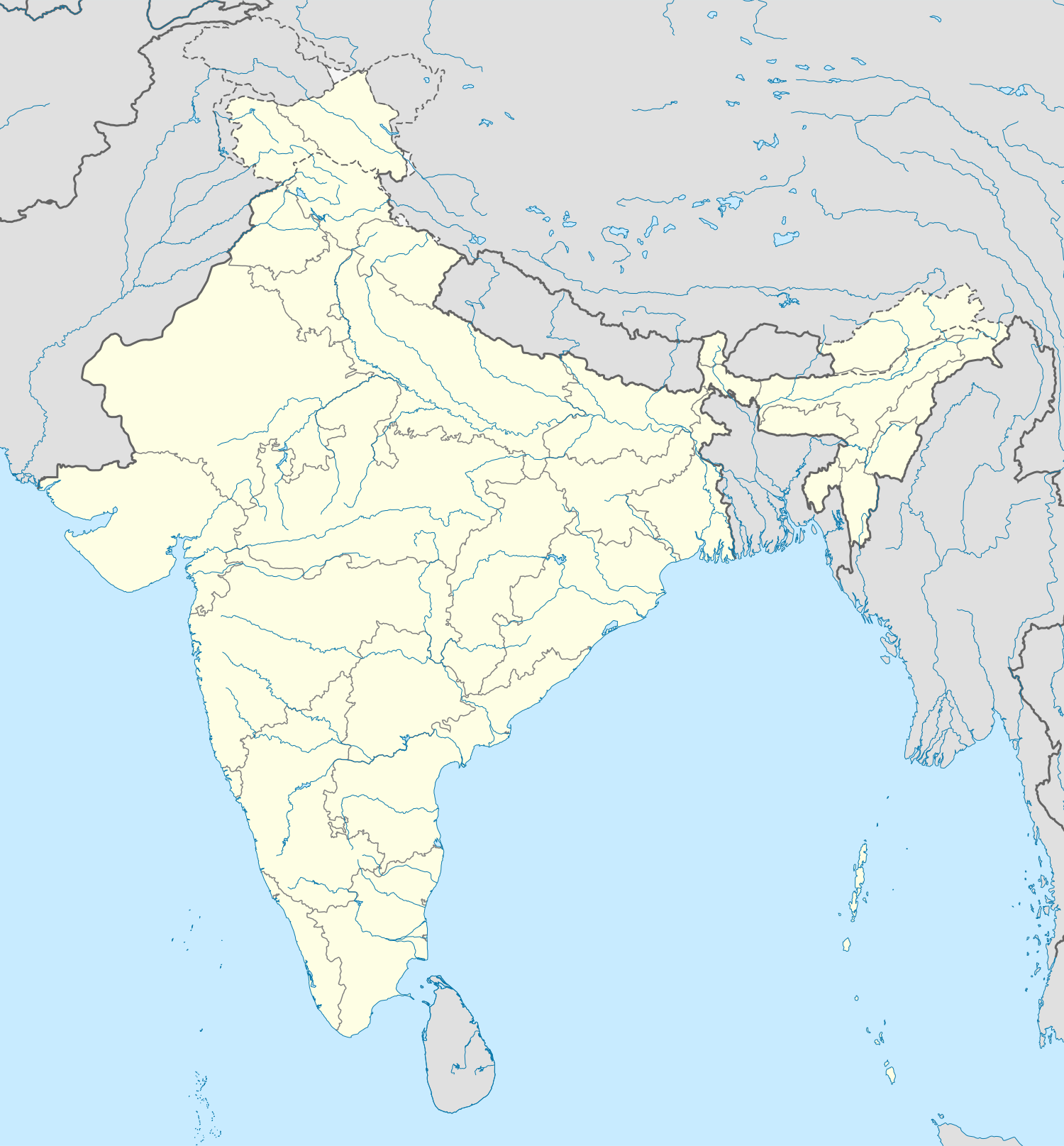
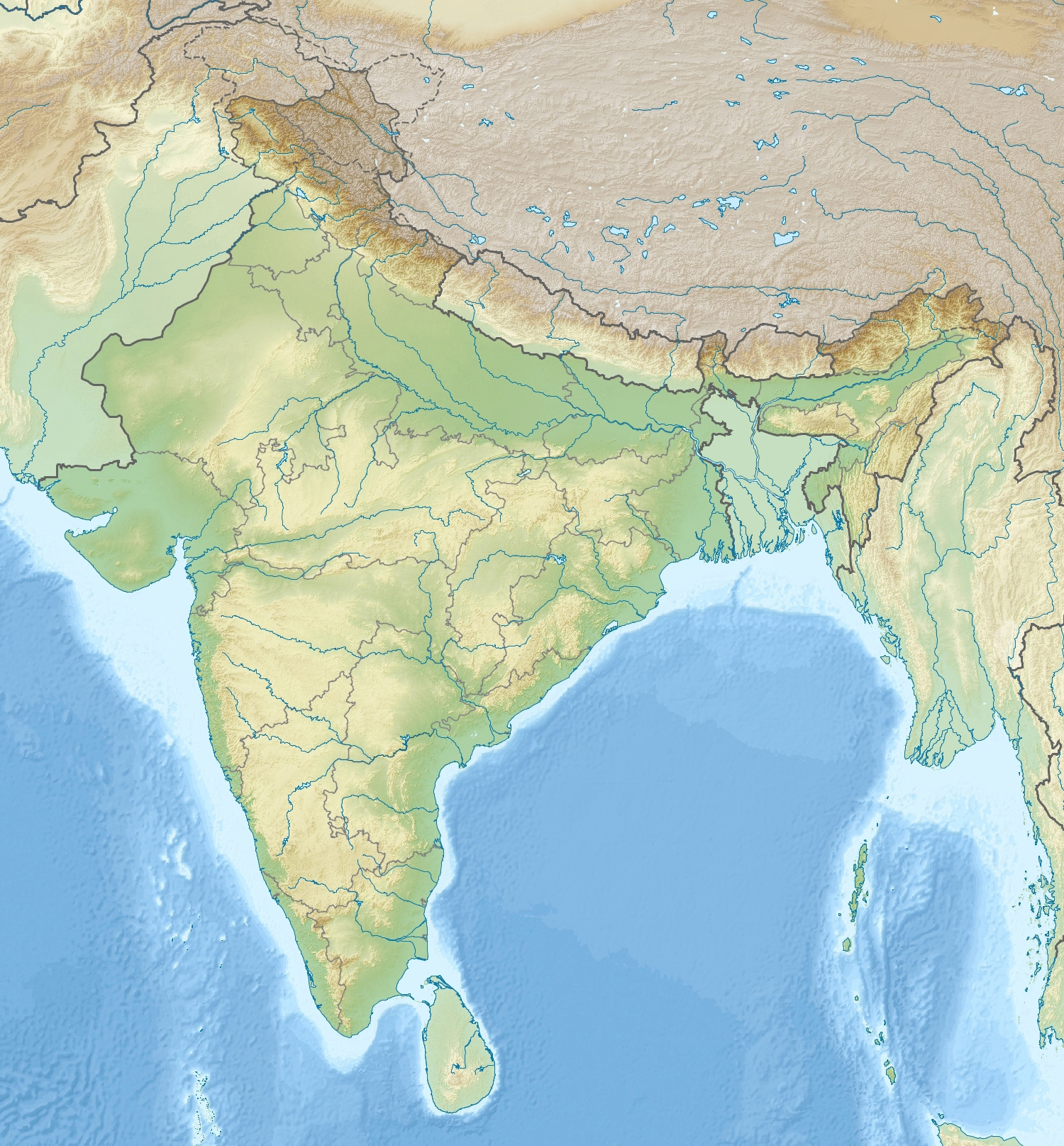
Locate the place
 AgraVaranasiUttar Pradesh
 GangaYamunaUttar Pradesh
Marker uses stored geographic coordinates on equirectangular location-map bounds. India map bases: Wikimedia Commons / Uwe Dedering (CC BY-SA 3.0). World political base: public domain; physical world base: Gundan (CC BY-SA 4.0).
📌 Why in News?
Context
The upcoming post-2026 delimitation exercise has triggered widespread debate regarding how parliamentary seats will be reallocated among states once the 2027 Census data is published. About The stakes in India’s delimitation debate: Delimitation is the statutory process of fixing or redrawing the territorial boundaries of Lok Sabha and State Legislative Assembly constituencies to reflect population changes.
Syllabus & Relevance
Prelims: Polity & Governance — institutions, terminology and factual features connected with the development.
Mains: GS-2 — contemporary application of the relevant syllabus theme.
Current–static link: Revise the underlying institution, policy or concept together with this development.
Why it matters for India
About The stakes in India’s delimitation debate: The upcoming post-2026 delimitation exercise represents a critical constitutional juncture for India’s democracy.
Explain the constitutional framework governing delimitation in India.
Static Foundation
Delimitation is the statutory process of fixing or redrawing the territorial boundaries of Lok Sabha and State Legislative Assembly constituencies to reflect population changes.
Executed by an independent, high-powered Delimitation Commission whose orders carry the force of law and cannot be challenged in court, its core objective is to ensure equal population representation across constituencies.
1952 Commission: Set up under the Delimitation Act, 1952, based on the 1951 Census; allocated initial parliamentary and assembly seats.
1963 Commission: Formed under the Delimitation Act, 1962, following the 1961 Census and state reorganization.
1973 Commission: Conducted under the Delimitation Act, 1972, using 1971 Census figures; increased Lok Sabha seats to 543.
1976 Freeze (42nd Amendment): Frozen inter-state Lok Sabha seat allocations at 1971 levels until 2000 to avoid penalizing states that implemented family planning.
2002 Commission (84th & 87th Amendments): Extended the seat allocation freeze until after 2026, while permitting internal constituency redrawing within states using 2001 Census data.
Data, Reports, Cases & Examples
Context: The upcoming post-2026 delimitation exercise has triggered widespread debate regarding how parliamentary seats will be reallocated among states once the 2027 Census data is published.
Executed by an independent, high-powered Delimitation Commission whose orders carry the force of law and cannot be challenged in court, its core objective is to ensure equal population representation across constituencies.
1952 Commission: Set up under the Delimitation Act, 1952, based on the 1951 Census; allocated initial parliamentary and assembly seats.
1963 Commission: Formed under the Delimitation Act, 1962, following the 1961 Census and state reorganization.
1973 Commission: Conducted under the Delimitation Act, 1972, using 1971 Census figures; increased Lok Sabha seats to 543.
1976 Freeze (42nd Amendment): Frozen inter-state Lok Sabha seat allocations at 1971 levels until 2000 to avoid penalizing states that implemented family planning.
Prelims Quick Facts
Context: The upcoming post-2026 delimitation exercise has triggered widespread debate regarding how parliamentary seats will be reallocated among states once the 2027 Census data is published.
About The stakes in India’s delimitation debate:
Delimitation is the statutory process of fixing or redrawing the territorial boundaries of Lok Sabha and State Legislative Assembly constituencies to reflect population changes.
Executed by an independent, high-powered Delimitation Commission whose orders carry the force of law and cannot be challenged in court, its core objective is to ensure equal population representation across constituencies.
1952 Commission: Set up under the Delimitation Act, 1952, based on the 1951 Census; allocated initial parliamentary and assembly seats.
1963 Commission: Formed under the Delimitation Act, 1962, following the 1961 Census and state reorganization.
1973 Commission: Conducted under the Delimitation Act, 1972, using 1971 Census figures; increased Lok Sabha seats to 543.
1976 Freeze (42nd Amendment): Frozen inter-state Lok Sabha seat allocations at 1971 levels until 2000 to avoid penalizing states that implemented family planning.
Mains-only layer✍️ Open Mains Perspective & Answer FrameworkClick to expand ↓
Mains Perspective
Background and key dimensions
- 1952 Commission: Set up under the Delimitation Act, 1952, based on the 1951 Census; allocated initial parliamentary and assembly seats.
- 1963 Commission: Formed under the Delimitation Act, 1962, following the 1961 Census and state reorganization.
- 1973 Commission: Conducted under the Delimitation Act, 1972, using 1971 Census figures; increased Lok Sabha seats to 543.
- 1976 Freeze (42nd Amendment): Frozen inter-state Lok Sabha seat allocations at 1971 levels until 2000 to avoid penalizing states that implemented family planning.
- 2002 Commission (84th & 87th Amendments): Extended the seat allocation freeze until after 2026, while permitting internal constituency redrawing within states using 2001 Census data.
- Constitutional Articles Associated with Delimitation:
- Article 81: Defines the composition of the Lok Sabha and requires that seat allocation among states be proportional to population so far as practicable.
- Article 82: Mandates Parliament to enact a Delimitation Act to adjust Lok Sabha seat allocations after every national Census.
- Article 170: Governs the division of each State into territorial constituencies for State Legislative Assemblies after every Census.
- Articles 330 & 332: Prescribe proportional reservation of Lok Sabha and State Legislative Assembly seats for Scheduled Castes (SCs) and Scheduled Tribes (STs) based on census figures.
- Projected Benefits and Gains of Delimitation:
- Restoring Voting Parity (One Person, One Vote, One Value): Corrects severe population imbalances where an MP in Kerala represents ~14 lakh electors while an MP in Uttar Pradesh or Bihar represents ~19 lakh electors.
Analytical use
- Connect the development with its institutional, policy, economic, social, environmental or security implications only where supported above.
- In a Mains answer, separate the verified development from broader evaluation and use the named evidence precisely.
Way forward
- Base recommendations on the gaps and institutional responsibilities identified in the source-grounded points.
Answer Framework
Introduction
Begin with the immediate development and identify the central institution or policy issue.
Body
- Explain the relevant static concept.
- Present the principal source-backed facts.
- Analyse significance for India and the syllabus theme.
- Discuss supported challenges or implementation gaps.
- Use one named law, report, institution, date or example from the evidence box.
Conclusion
End with a balanced, institutionally feasible way forward without making claims beyond the available evidence.
Possible Mains Question
Examine the significance of “The stakes in India’s delimitation debate”. Discuss its key implications and the way forward.