Locate the place
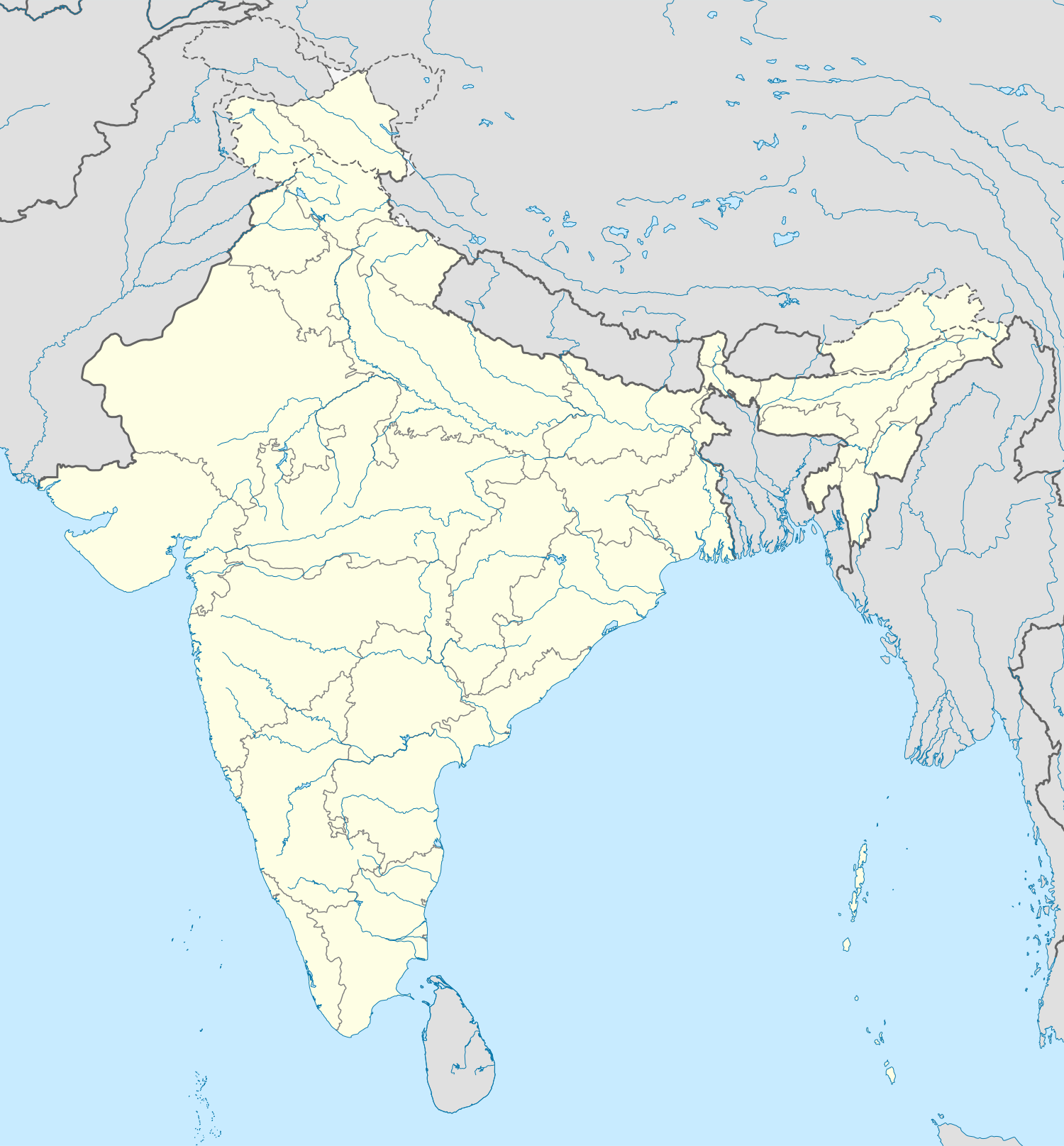 Red FortQutub MinarNew Delhi
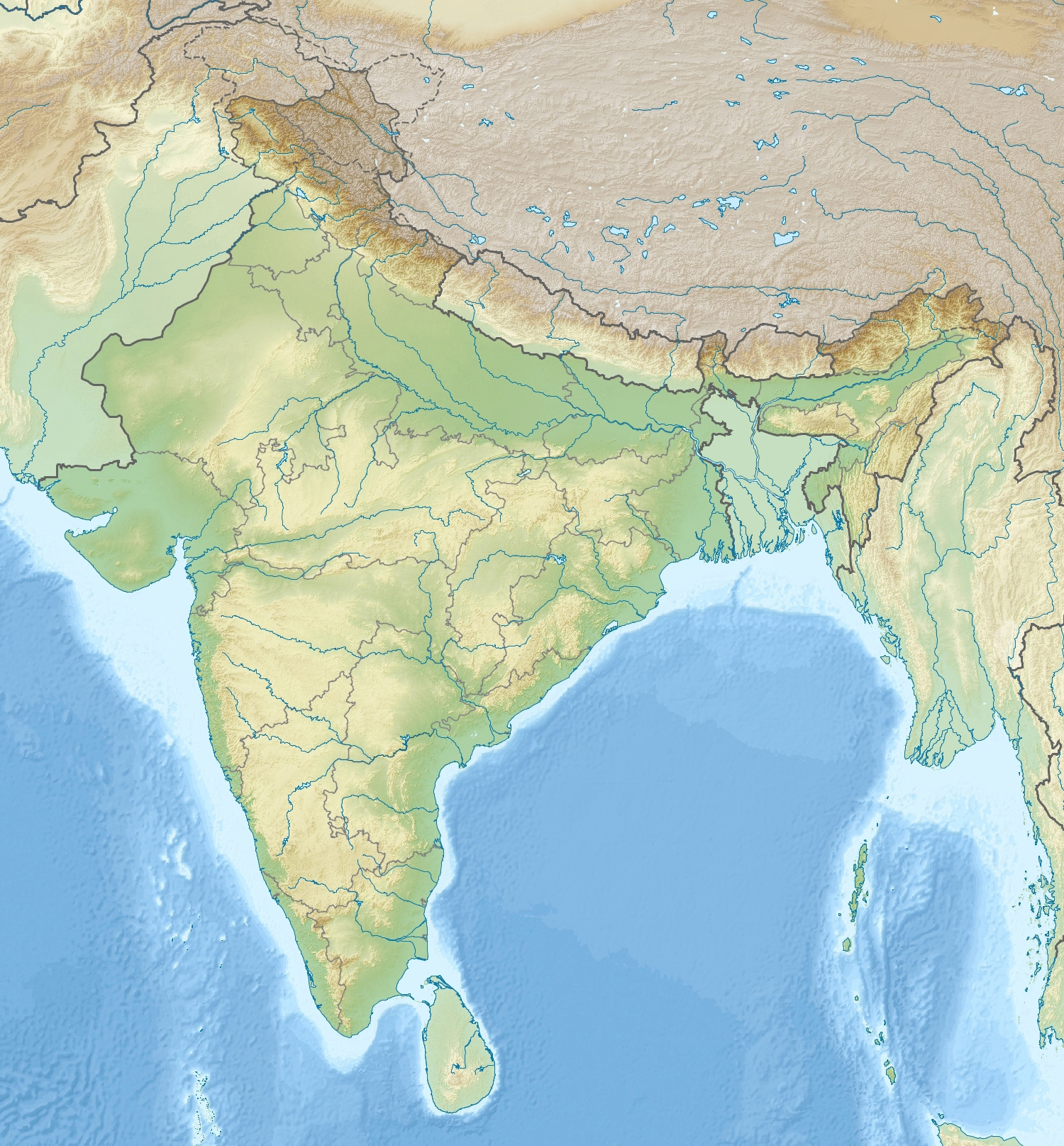 YamunaAravalli RidgeNew Delhi
Marker uses stored geographic coordinates on equirectangular location-map bounds. India map bases: Wikimedia Commons / Uwe Dedering (CC BY-SA 3.0). World political base: public domain; physical world base: Gundan (CC BY-SA 4.0).
📌 Why in News?
The Union Government has opposed petitions in the Supreme Court seeking the application of the 'creamy layer' exclusion principle to Scheduled Castes (SCs) and Scheduled Tribes (STs). The Centre emphasized before the apex court that the creamy layer doctrine applies strictly to Other Backward Classes (OBCs) and cannot be extended to SCs and STs, as reservation for SC/ST communities is rooted in overcoming historical social discrimination and untouchability rather than financial backwardness. This position follows a landmark 2024 Supreme Court judgment that allowed state governments to sub-categorize SC/ST lists to ensure benefits reach the most backward within these categories.
Syllabus & Relevance
Prelims: Indian Polity and Governance – Constitution, Rights Issues, and Reservation Framework.
GS-2: Functions and Responsibilities of the Union and the States, Mechanisms, Laws, Institutions and Bodies Constituted for the Protection and Betterment of Vulnerable Sections.
Why it matters for India
This issue directly impacts India's affirmative action framework, legal interpretations of equality under the Constitution, and social justice policies governing Scheduled Castes and Scheduled Tribes across federal and state public administration.
Static Foundation
The constitutional foundation for affirmative action stems from Articles 15(4) and 16(4), enabling special provisions and quotas for socially and educationally backward classes, Scheduled Castes, and Scheduled Tribes.
The 'creamy layer' principle originated in the landmark 1992 Indra Sawhney judgment, where a nine-judge Supreme Court bench mandated excluding affluent individuals from OBC reservations to prevent cornering of benefits, while explicitly clarifying that this exclusion did not apply to SCs and STs.
Scheduled Castes and Scheduled Tribes are identified under presidential lists per Articles 341 and 342, primarily to address systemic historical isolation and social untouchability.
Data, Reports, Cases & Examples
Indra Sawhney v. Union of India (1992): Nine-judge Supreme Court bench established the 'creamy layer' doctrine specifically for OBC reservations, keeping SCs/STs outside its scope.
2024 Supreme Court Sub-categorization Ruling: A 7-judge Constitution Bench held that states possess constitutional authority to sub-classify SC/ST lists to prioritize the most backward sub-groups.
Articles 341 & 342: Constitutional provisions governing presidential notifications and lists of Scheduled Castes and Scheduled Tribes.
Articles 15(4) & 16(4): Constitutional provisions granting authority to the State for affirmative action in admissions and public employment.
Prelims Quick Facts
Creamy Layer Scope: Applies exclusively to Other Backward Classes (OBCs) per the 1992 Indra Sawhney ruling; Centre opposes extending it to SCs/STs.
Constitutional Basis: SC/ST reservations address historical untouchability and social marginalization; OBC reservations target social and educational backwardness.
2024 SC Ruling: Permitted state-level sub-categorization of SCs and STs to provide sub-quotas for extremely disadvantaged groups.
Presidential Lists: Governed by Articles 341 (SCs) and 342 (STs); modifications to master lists require parliamentary approval.
Centre's Submission: Affirmed in Supreme Court that income-based exclusions cannot disqualify SC/ST members from reservation entitlements.
Sub-categorization vs. Creamy Layer: Do not confuse sub-categorization (apportioning sub-quotas within SC/ST lists to worse-off subgroups) with the creamy layer rule (complete exclusion of high-income individuals from reservation benefits).
Basis of Reservation: Do not mistake SC/ST reservation criteria as economic; they are grounded in addressing structural social discrimination and untouchability.
Mains-only layer✍️ Open Mains Perspective & Answer FrameworkClick to expand ↓
Mains Perspective
Background
Following the Supreme Court's 2024 verdict permitting states to sub-categorize Scheduled Castes and Scheduled Tribes to ensure equitable distribution of benefits, petitions were submitted asking the Supreme Court to introduce creamy layer exclusions for SC/ST reservations. The Union Government formally opposed these petitions, stating that creamy layer rules are legally inapplicable to SCs and STs.
Significance
- Upholding Social Justice Intent: Maintains the principle that SC/ST affirmative action rectifies deep-rooted structural discrimination rather than acting as a simple poverty alleviation scheme.
- Policy Consistency: Reinforces executive adherence to long-standing legal precedents established since the 1992 Indra Sawhney judgment.
- Protection of Rights: Prevents the administrative exclusion of marginalized individuals from constitutional guarantees based purely on income metrics.
India-specific Implications
- Protects central public employment and educational admission quotas for SC/ST candidates across India.
- Establishes a clear distinction between state power to sub-categorize sub-groups and executive opposition to income-based exclusion.
Challenges and Criticisms
- Intra-group Disparities: Critics contend that relatively affluent members within SC/ST communities may absorb a major share of reservation benefits, leaving severely disadvantaged members behind.
- Judicial-Executive Alignment: Divergent observations by individual judges on the apex court bench during sub-categorization hearings created debate around applying creamy layer standards.
Way Forward
- Focus on empirical data collection regarding social mobility across various sub-castes.
- Enhance capacity-building, education, and welfare schemes alongside targeted sub-categorization to reach the most vulnerable SC/ST segments.
Answer Framework
Introduction
Define the 'creamy layer' doctrine laid down in the Indra Sawhney case (1992) and mention the Centre's opposition in the Supreme Court against extending this principle to Scheduled Castes (SCs) and Scheduled Tribes (STs).
Body Dimensions
-
Constitutional Rationale: Contrast the objective of SC/ST reservations (remedying historical untouchability and social stigma) with OBC reservations (addressing social and educational backwardness).
-
Legal Evolution & 2024 Ruling: Analyze the Supreme Court's 2024 judgment allowing SC/ST sub-categorization by states while distinguishing sub-quota targeting from total income-based exclusion.
-
Concerns and Counterpoints: Discuss issues of intra-group inequality in benefit distribution versus the risk of undermining constitutional guarantees against social discrimination.
Conclusion
Conclude by highlighting that protecting SC/ST reservation principles while using data-driven sub-categorization ensures both constitutional fidelity and equitable social justice.
Possible Mains Question
Examine the constitutional and legal rationale behind the Centre's opposition to extending the 'creamy layer' doctrine to Scheduled Castes and Scheduled Tribes. How does this stance align with the Supreme Court's rulings on affirmative action?