Polity & Governance
Activists Challenge Google's $15 Billion Data Center Plans in India: Balancing Digital Infrastructure with Environmental Concerns
What happened
Google's planned $15 billion investment in digital infrastructure, including massive data centers in India, has faced formal challenges and protests from local activists and environmental groups. The activists have raised concerns over the intensive resource footprint of these centers, particularly their high water consumption for cooling systems, massive electricity demands, and land acquisition processes, highlighting the growing friction between India's rapid digital expansion and local ecological conservation.
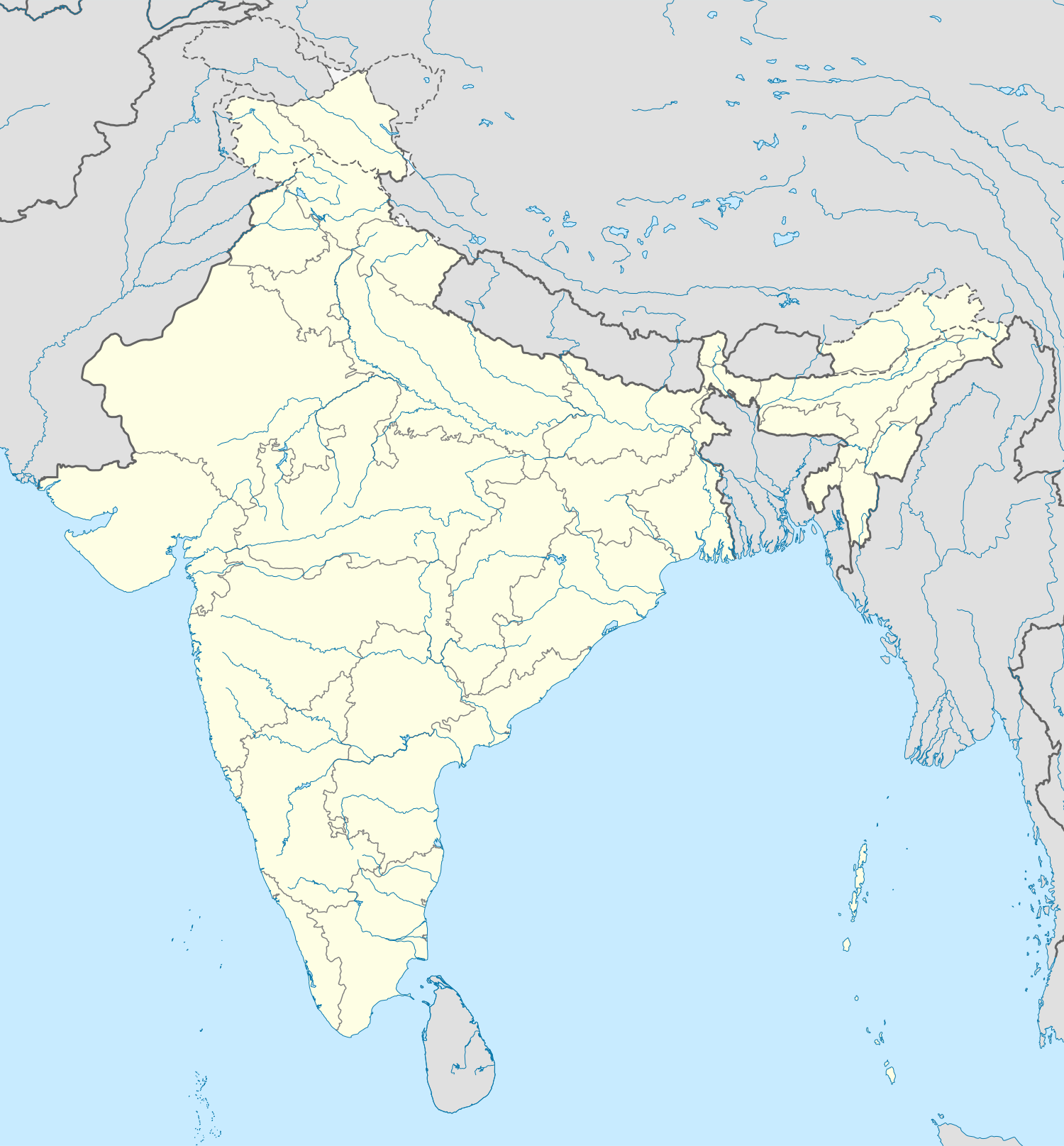
Locate the place
 India
India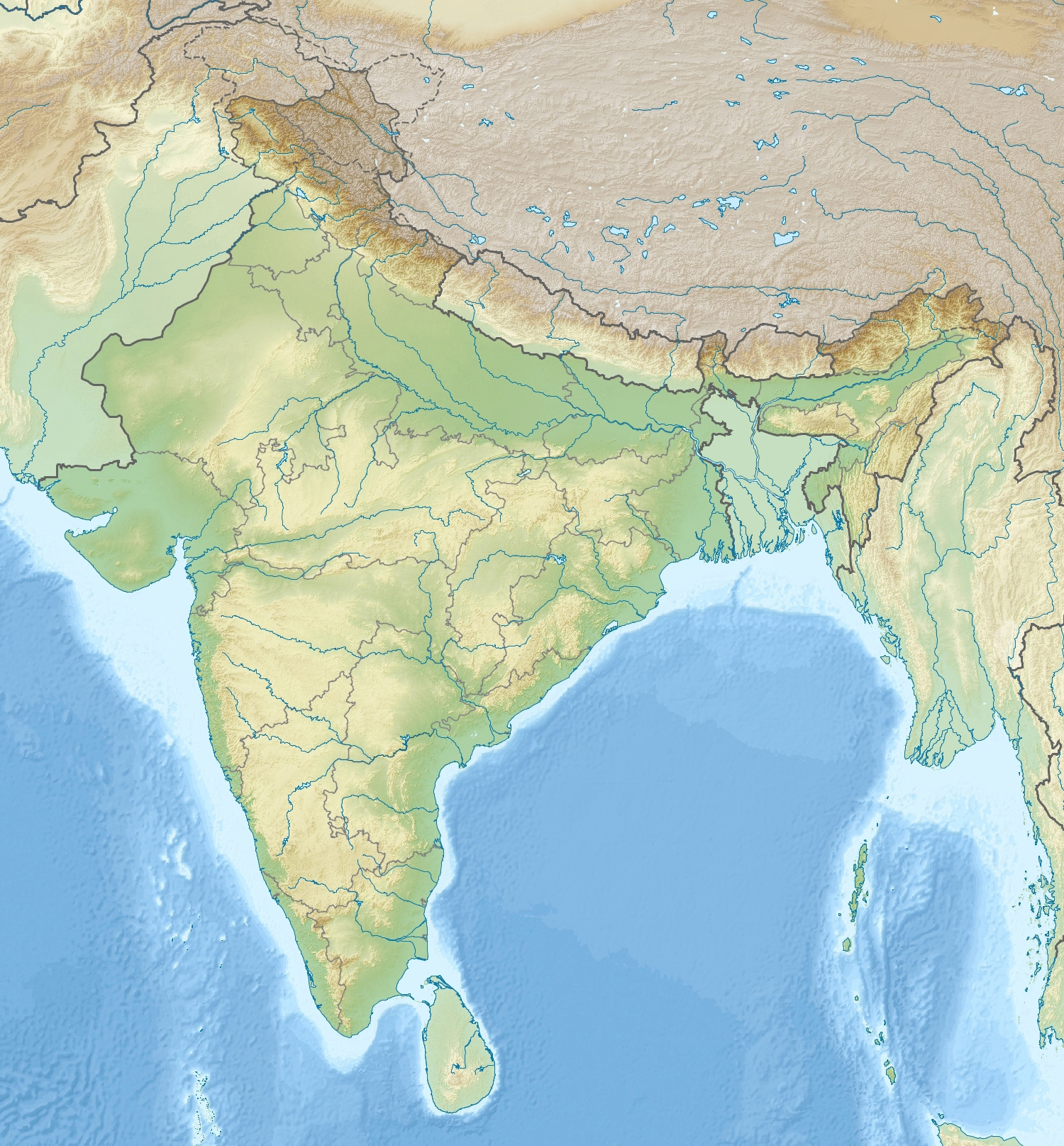 India
IndiaMarker uses stored geographic coordinates on equirectangular location-map bounds. India map bases: Wikimedia Commons / Uwe Dedering (CC BY-SA 3.0). World political base: public domain; physical world base: Gundan (CC BY-SA 4.0).
Key facts
Google's Investment: A $15 billion commitment aimed at expanding digital infrastructure, cloud regions, and data center footprints in India.
Resource Intensity: Large data centers can consume between 1 million to 5 million gallons of water per day, equivalent to the water consumption of a small city.
Data Center Capacity: India's data center capacity is projected to cross 1,300 MW by 2025, driven by data localization mandates and cloud adoption.
Legal Precedent: The Vellore Citizens Welfare Forum v. Union of India (1996) case, which established the 'Precautionary Principle' and 'Polluter Pays Principle' as part of environmental law in India.
Policy Framework: The Ministry of Electronics and Information Technology's (MeitY) Draft National Data Center Policy, which aims to simplify clearances and promote usage of renewable energy in data centers.
Context
Constitutional and Legal Framework
-
Article 21: The Supreme Court of India has interpreted the Right to Life to include the right to a clean and healthy environment.
-
Article 48A: Part of the Directive Principles of State Policy (DPSP), directing the State to protect and improve the environment.
-
Article 51A(g): Imposes a fundamental duty on citizens to protect the natural environment.
Environmental Impact Assessment (EIA) Process
Under the Environment (Protection) Act, 1986, certain large-scale developmental projects must undergo a mandatory EIA to identify, predict, and mitigate ecological damage before receiving environmental clearance.
The Data Center Dilemma
Data centers house thousands of servers generating immense heat. They rely on two main inputs:
-
Power: Uninterrupted electricity, often drawn from fossil-fuel-dominated grids, increasing carbon emissions.
-
Water: Evaporative cooling systems consume massive quantities of water, which can strain local municipal water tables and aquifers, leading to conflicts with local communities and activists.
Why it matters
As India aims to become a global data center hub backed by the Draft National Data Center Policy, foreign direct investments (FDI) like Google's $15 billion commitment are crucial. However, data centers are highly resource-intensive, requiring millions of liters of water daily and uninterrupted power. This dispute highlights the challenge of balancing India's 'Digital India' goals with regional resource security, particularly in water-stressed urban areas where these centers are typically located.