Environment
Fresh illegal mining claims reported near Kaziranga National Park despite Supreme Court ban
What happened
Fresh reports of illegal mining activities have emerged near the Kaziranga National Park in Assam, despite a Supreme Court ban on such operations in the eco-sensitive zone. The claims, surfacing in August 2026, raise concerns over enforcement of environmental protections in one of India’s most biodiverse regions.
Assam
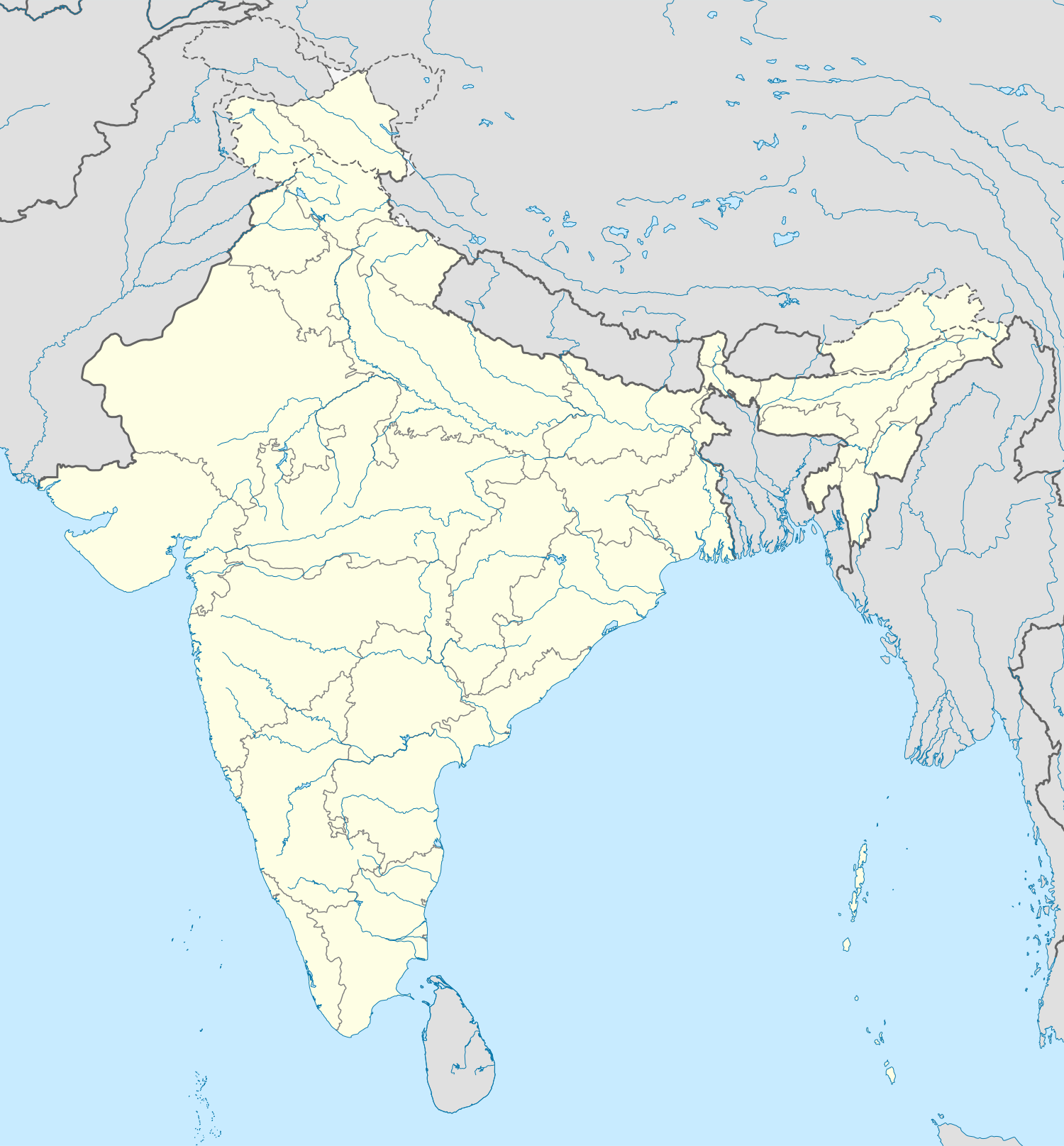 AssamArunachal PradeshNagalandManipurMeghalayaWest BengalAssamKazirangaMajuliAssam
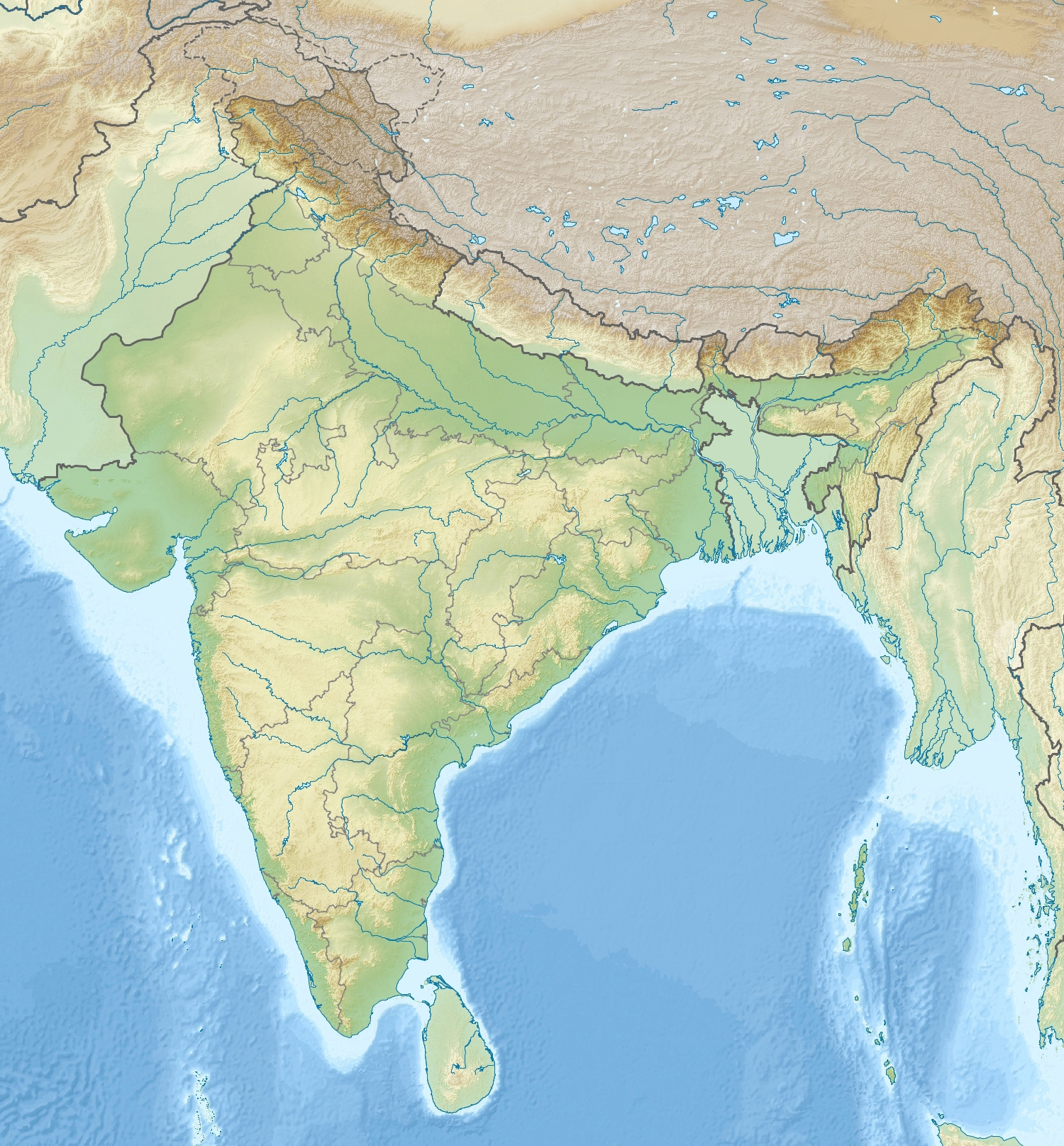 BrahmaputraBarail HillsAssamKaziranga NPManas NPAssam
Key facts
Reports of fresh illegal mining claims surfaced in August 2026 near the Kaziranga eco-sensitive zone.
The claims were documented despite the Supreme Court’s ban on mining in such areas.
The Assam Tribune reported the emergence of new mining sites, raising concerns among conservationists.
Local authorities and forest department officials have not yet commented on the enforcement of the ban.
The Brahmaputra Valley, where Kaziranga is located, is a biodiversity hotspot with over 1,000 plant species and 40 mammal species.
Context
- Kaziranga National Park is a UNESCO World Heritage Site and a tiger reserve, located in Assam’s Golaghat and Nagaon districts.
- The park is renowned for its population of Indian one-horned rhinoceroses, as well as elephants, tigers, and migratory birds.
- The Supreme Court of India had imposed a ban on mining activities in eco-sensitive zones, including areas adjacent to Kaziranga, to protect its biodiversity.
- Illegal mining in the region has historically led to habitat degradation, soil erosion, and pollution of water bodies.
Why it matters
- Threatens the ecological integrity of Kaziranga National Park, a UNESCO World Heritage Site and critical habitat for the Indian one-horned rhinoceros.
- Undermines conservation efforts and legal protections for the Brahmaputra Valley’s fragile ecosystem.
- Highlights challenges in monitoring and enforcing environmental laws in remote, high-value biodiversity zones.