Polity & Governance
Dalit women barred from offering water at Erasama temple; one person arrested
The development
What happened
A person was arrested in Odisha after Dalit women were allegedly prevented from offering water at the Erasama temple in Jagatsinghpur district. The incident has sparked local outrage and raised concerns over caste-based discrimination in religious practices.
Map focus
20.95°, 85.10° · maps only where geography mattersOdisha
CountryIndia→StateOdisha
India locator
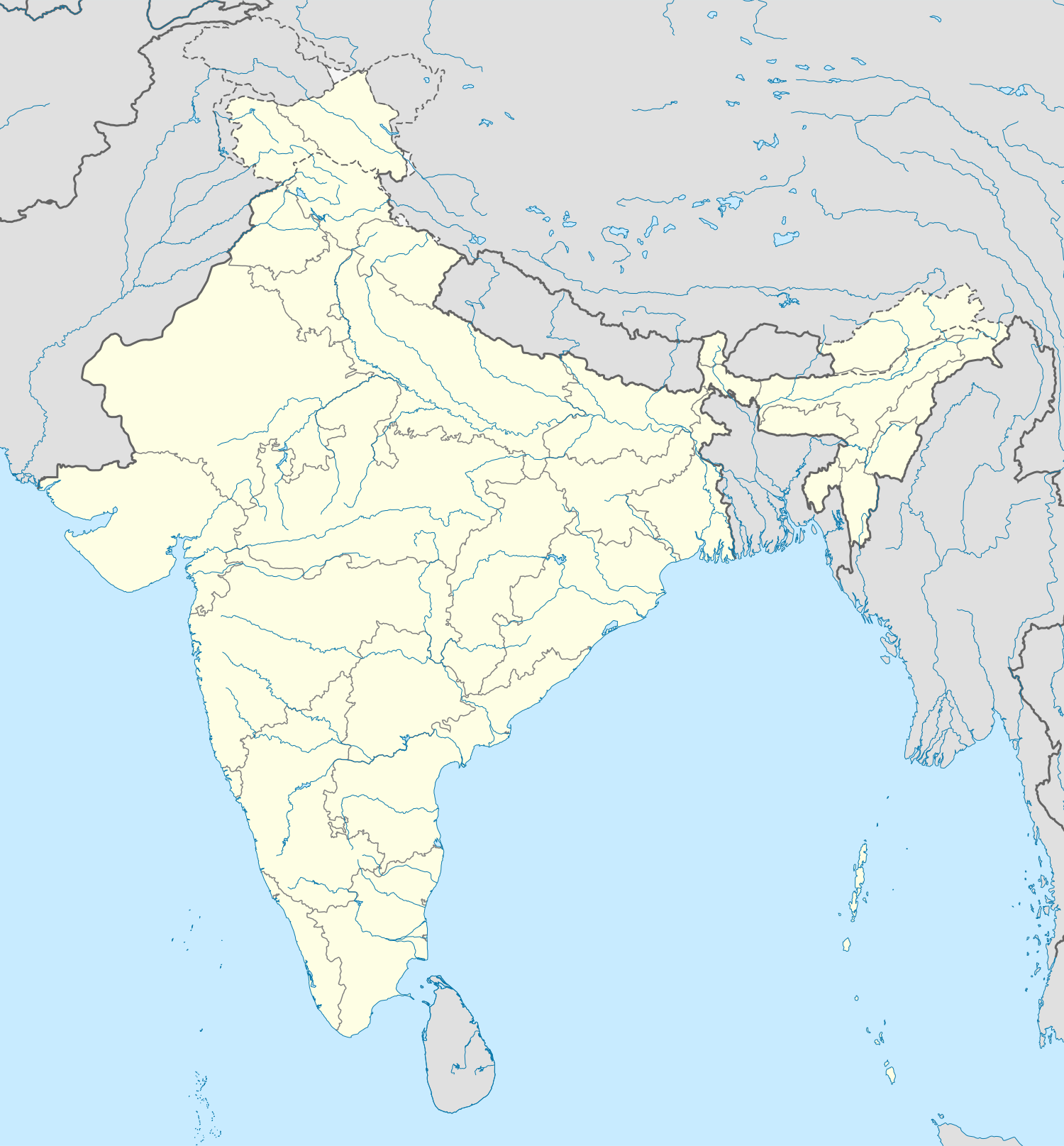 Odisha
Nearby states
West BengalJharkhandChhattisgarhAndhra PradeshOdishaRegional places
KonarkPuriOdishaRivers & relief
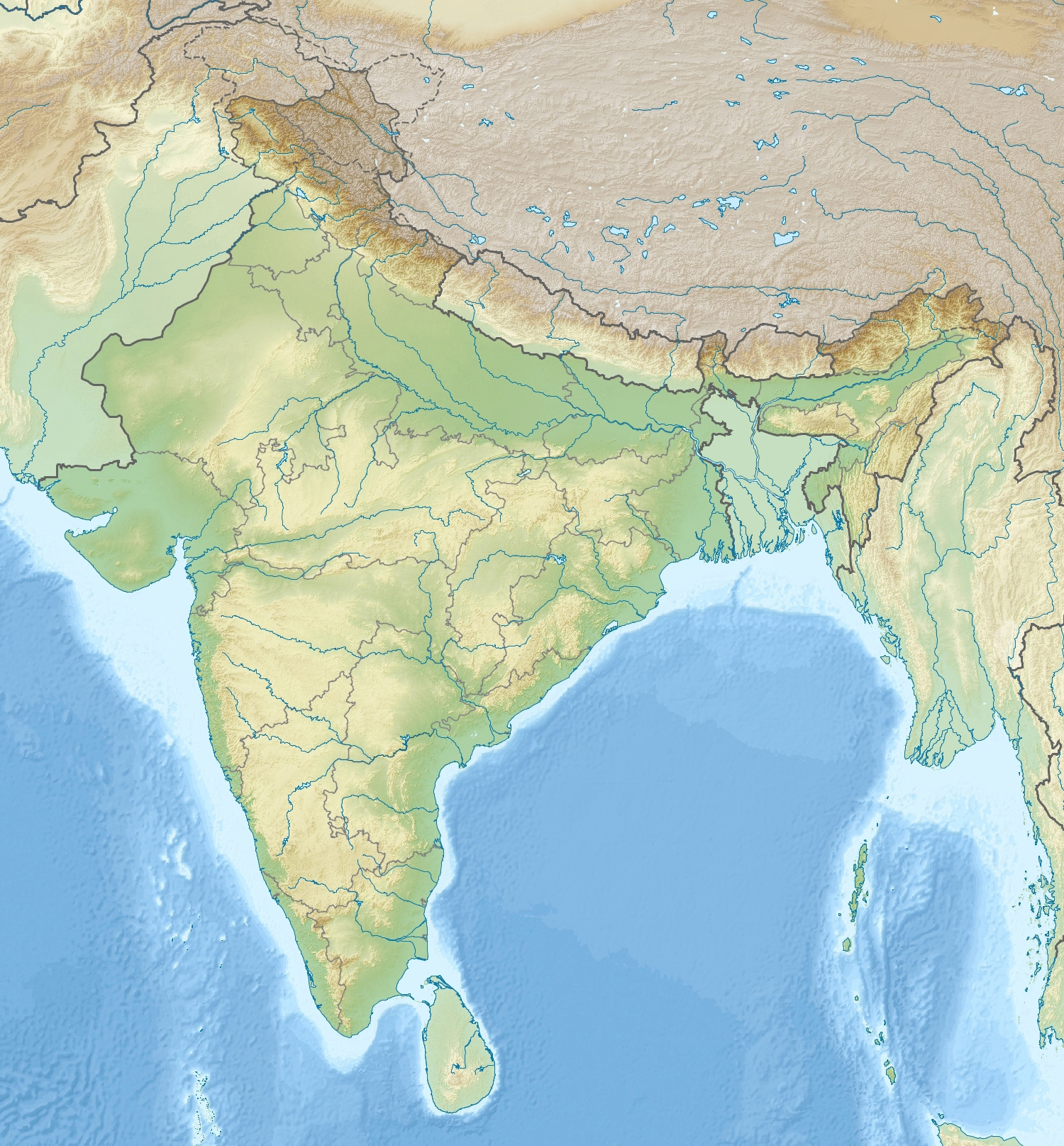 MahanadiChilika LakeOdisha
NP / WLS nearby
Similipal NPBhitarkanika NPOdishaStates: West Bengal · Jharkhand · Chhattisgarh · Andhra PradeshNearby: Konark · PuriPhysical: Mahanadi · Chilika LakeProtected: Similipal NP · Bhitarkanika NP
At a glance
Key facts
One person was arrested in connection with the incident at the Erasama temple.
The incident occurred in Jagatsinghpur district, Odisha.
Dalit women were allegedly prevented from offering water at the temple.
Local authorities have initiated an investigation into the matter.
Background
Context
- Erasama temple is a Hindu temple located in Jagatsinghpur district, Odisha.
- Caste-based discrimination in religious practices has been a longstanding issue in parts of India.
- The Constitution of India prohibits discrimination on grounds of religion, race, caste, sex, or place of birth.
- Scheduled Castes and Scheduled Tribes (Prevention of Atrocities) Act, 1989 criminalizes acts of discrimination and atrocities against marginalized communities.
Significance
Why it matters
- Highlights ongoing caste-based discrimination in religious spaces despite legal protections.
- Raises questions about enforcement of anti-discrimination laws in places of worship.
- May trigger discussions on social justice and equality in access to religious sites.