Environment
Groundwater levels drop sharply across Karnataka districts
What happened
Groundwater levels have fallen significantly across Karnataka, with 30 of 31 districts reporting declines, according to state data. The Water Resources Department warns of acute shortages in 13 districts, raising concerns over drinking water supply and agricultural use. The trend mirrors broader challenges in southern India amid erratic monsoons and over-extraction.
Bengaluru
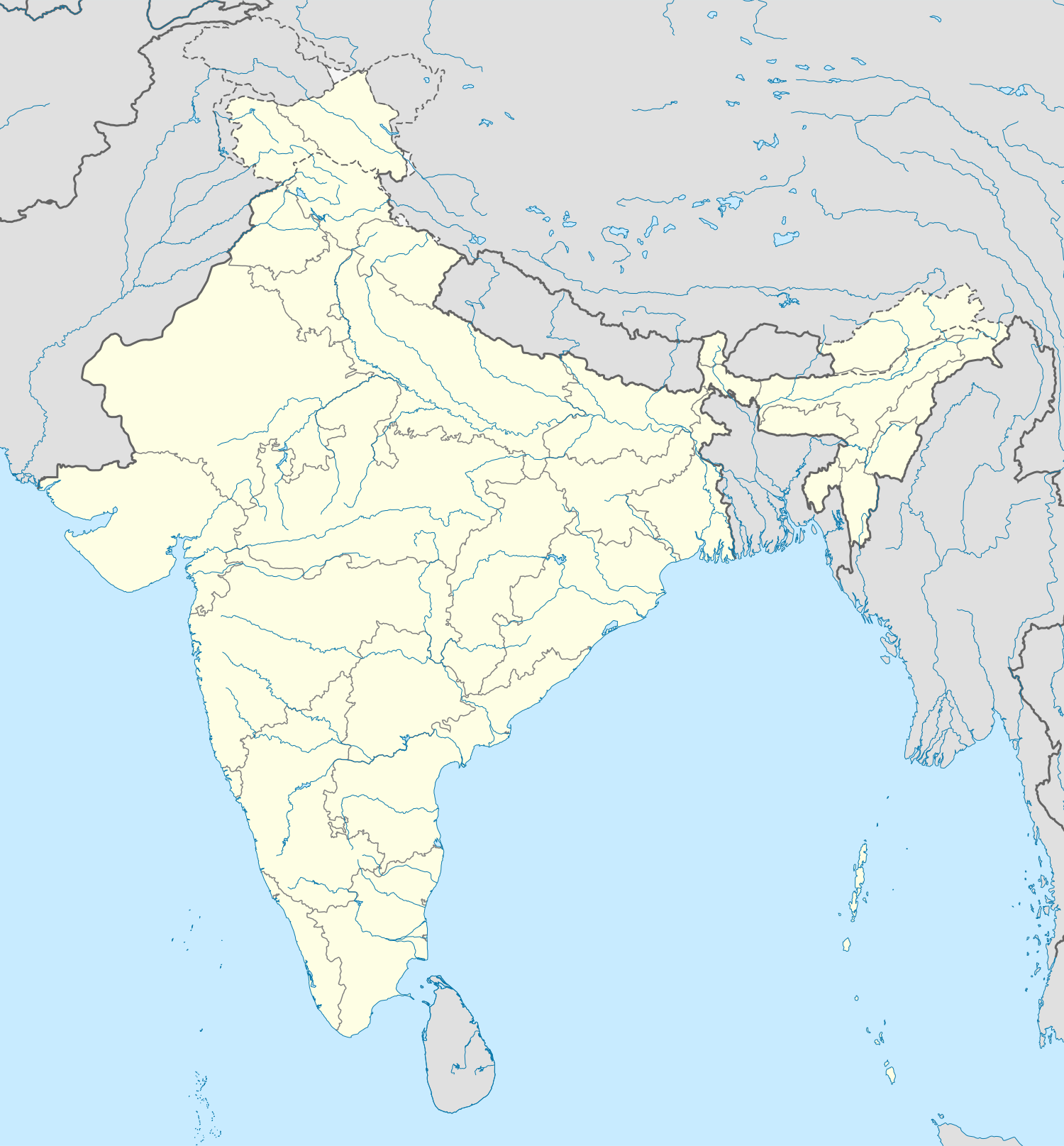 BengaluruGoaMaharashtraTelanganaAndhra PradeshTamil NaduBengaluruHampiMysuruBengaluru
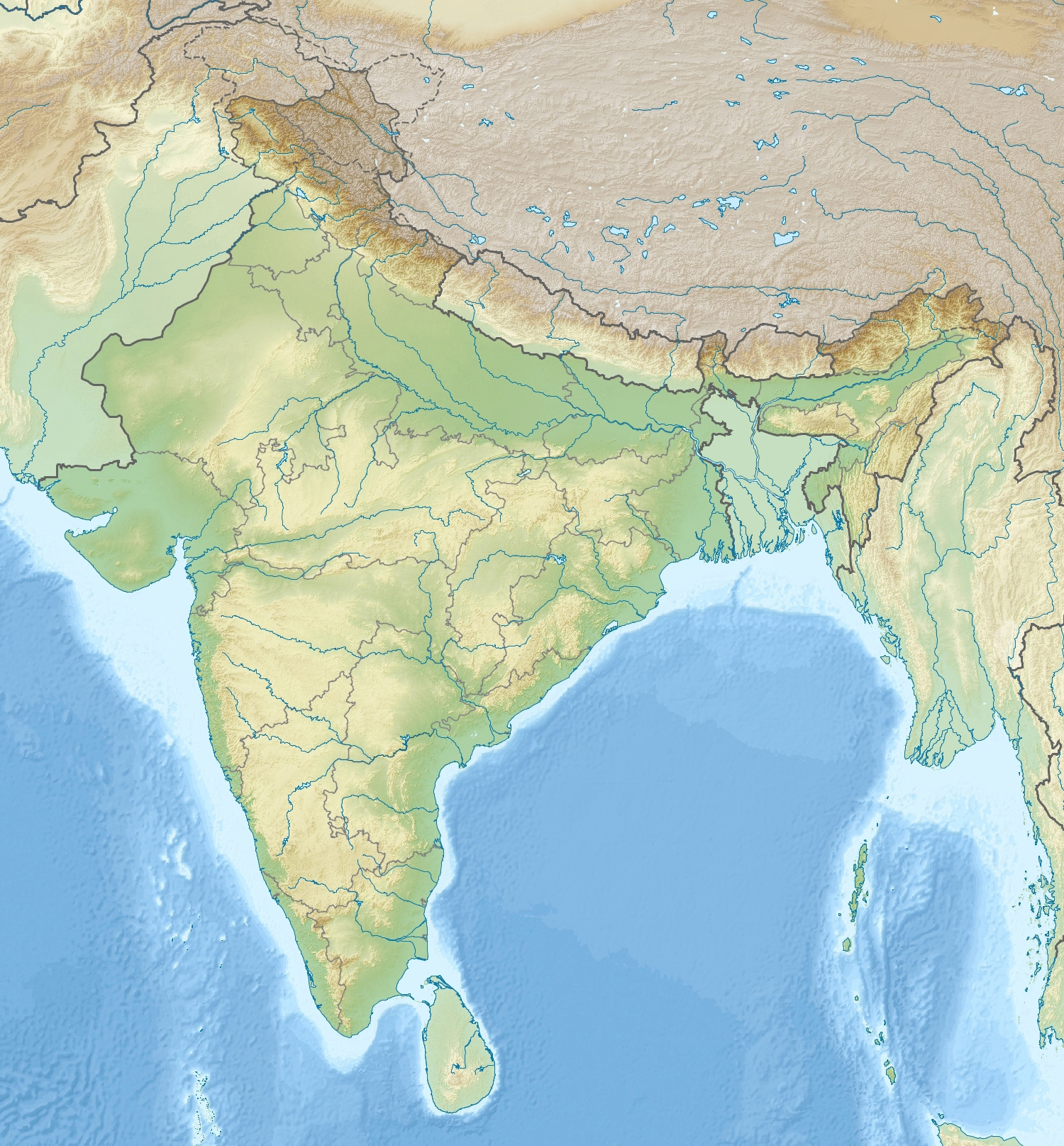 Western GhatsKaveriBengaluruBandipur NPNagarahole NPBengaluru
Key facts
30 of 31 districts in Karnataka show declining groundwater levels, per state data.
13 districts face acute shortages, including Bengaluru Rural, Tumakuru, and Chitradurga.
Levels in Bengaluru Urban have dropped by 12% year-on-year, per department records.
The pre-monsoon deficit in 2026 was 28% below average, exacerbating the crisis.
Borewell failure rates have risen in northern Karnataka, with 40% of new wells drying up within a year.
Context
- Karnataka relies heavily on groundwater for drinking and farming, especially in northern and central districts.
- The state has faced below-normal monsoons in recent years, reducing recharge rates.
- Borewell dependency has surged due to erratic rainfall and surface water shortages.
- The Water Resources Department monitors levels via observation wells across districts.
Why it matters
- Threatens drinking water security for rural and urban areas in affected districts.
- May disrupt agricultural output, particularly in regions reliant on borewells.
- Highlights the need for sustainable groundwater management policies.
- Raises questions about climate adaptation and water conservation in southern states.