Defence & Security
Hormuz shipping traffic hits one-week low as regional tensions rise
What happened
Shipping traffic through the Strait of Hormuz dropped to its lowest level in a week on Tuesday, driven by escalating regional hostilities. The decline reflects heightened maritime security risks in a critical global oil transit chokepoint, impacting energy markets and supply chains.
Strait of Hormuz
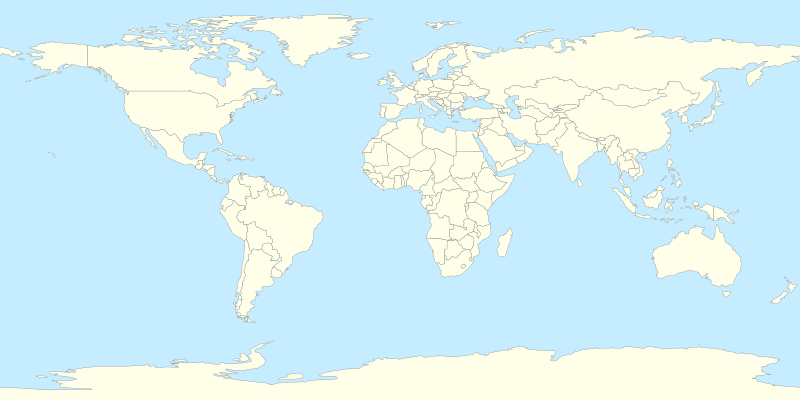 Strait of HormuzIranSaudi ArabiaAfghanistanPakistanStrait of Hormuz
Key facts
Shipping traffic through the Strait of Hormuz fell to a one-week low on Tuesday, according to maritime tracking data.
The decline follows recent hostilities in the region, including reported missile strikes and naval confrontations.
The strait is a critical route for oil tankers, with millions of barrels passing through daily.
Maritime authorities reported reduced vessel movements compared to the previous week's average.
Context
The Strait of Hormuz is a narrow waterway connecting the Persian Gulf to the Gulf of Oman, handling about 20% of the world's oil supply daily. The strait is bordered by Iran, Oman, and the United Arab Emirates, making it a frequent flashpoint in regional geopolitics. Maritime traffic through the strait is often disrupted by political tensions, military exercises, or attacks on vessels. The U.S. Fifth Fleet, based in Bahrain, monitors the strait to ensure safe passage for commercial shipping.