History & Culture
India’s first ‘Ghosts, Memory and the Unknown’ archive opens in New Delhi
The development
What happened
India’s first public archive dedicated to oral histories of the unexplained and paranormal, titled ‘Ghosts, Memory and the Unknown,’ opened in New Delhi on 11 August 2026. The collection, housed at the National Archives of India, aims to document unverified personal accounts of encounters with the supernatural, bridging folklore and archival practice.
Map focus
28.61°, 77.21° · maps only where geography mattersNew Delhi
CountryIndia→StateDelhi→PlaceNew Delhi
India locator
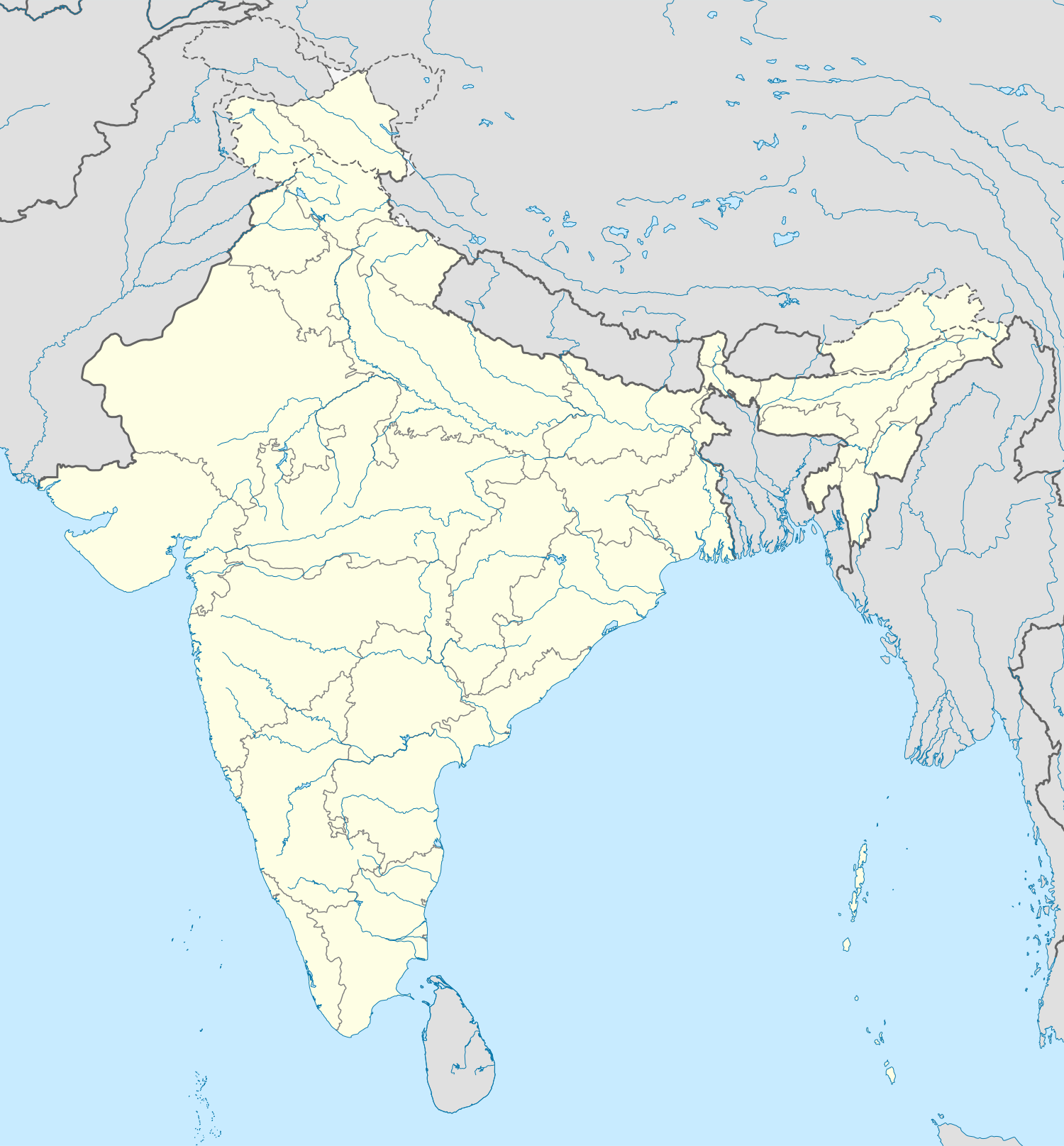 New Delhi
Nearby states
HaryanaUttar PradeshNew DelhiRegional places
Red FortQutub MinarNew DelhiRivers & relief
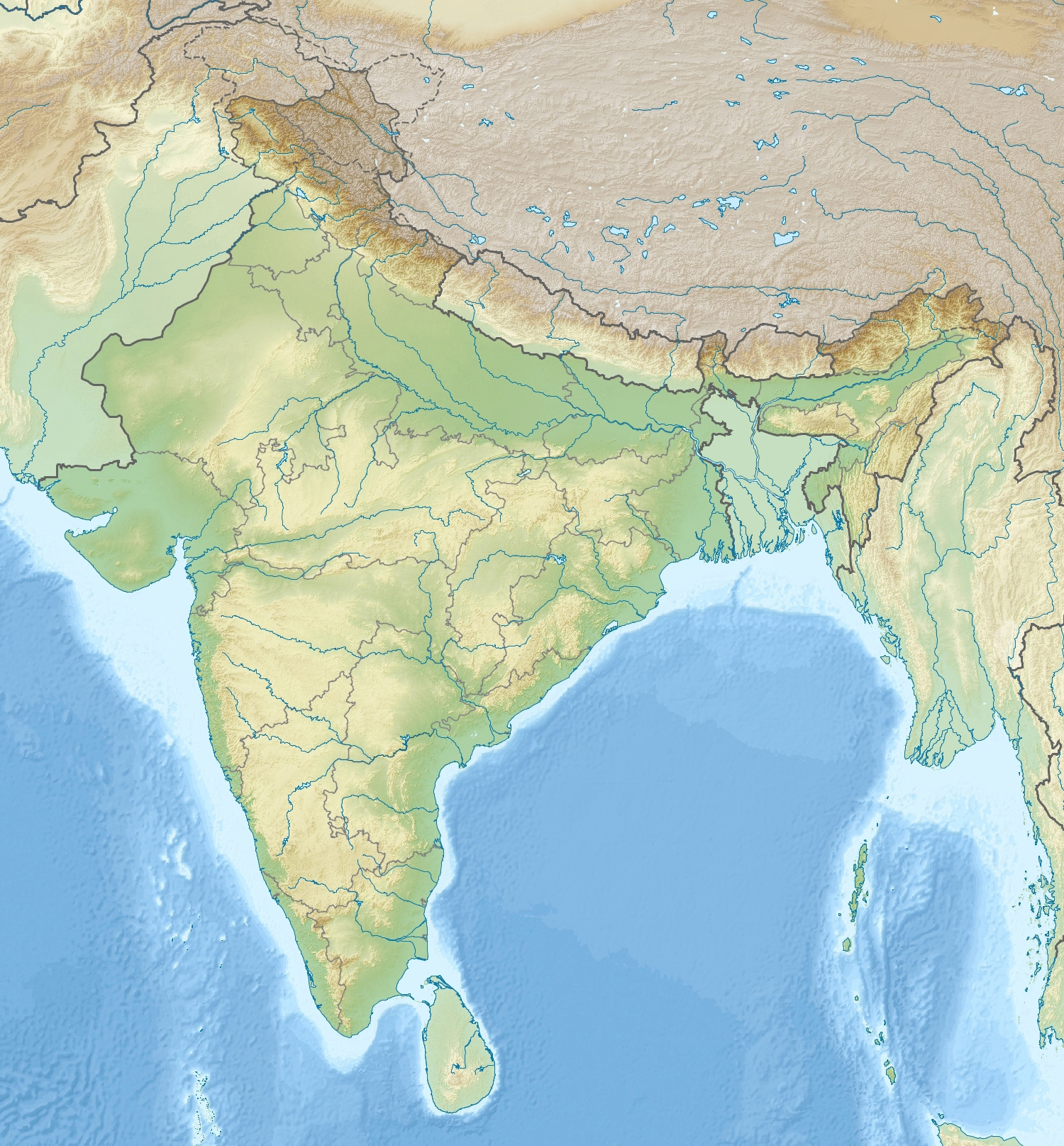 YamunaAravalli RidgeNew Delhi
NP / WLS nearby
Asola Bhatti WLSNew DelhiStates: Haryana · Uttar PradeshNearby: Red Fort · Qutub MinarPhysical: Yamuna · Aravalli RidgeProtected: Asola Bhatti WLS
At a glance
Key facts
The archive is titled ‘Ghosts, Memory and the Unknown’ and is curated by the Centre for Folklore Studies in collaboration with the National Archives of India.
Background
Context
- Oral history archives document personal testimonies, often excluded from formal records.
- Paranormal folklore spans regional ghost stories, haunted sites and unexplained phenomena across India.
- National Archives of India (established 1891) holds official government records and select cultural collections.
- Previous attempts to archive supernatural narratives were limited to private collections or digital platforms.
Significance
Why it matters
- Preserves intangible cultural heritage linked to regional folklore and oral traditions.
- Offers a platform for marginalised narratives often excluded from mainstream historical records.
- Encourages interdisciplinary research between anthropology, history and parapsychology.
- Raises questions about evidence standards in archival documentation of unverified experiences.