Economy
India’s MSME sector faces rising challenges as landslides disrupt supply chains
What happened
The MSME sector in India is grappling with heightened operational disruptions due to an increase in landslide frequency, compounding existing challenges like credit access and regulatory hurdles. A recent analysis highlights how these natural disasters are exacerbating vulnerabilities in small and medium enterprises, particularly in hilly regions.
Uttarakhand
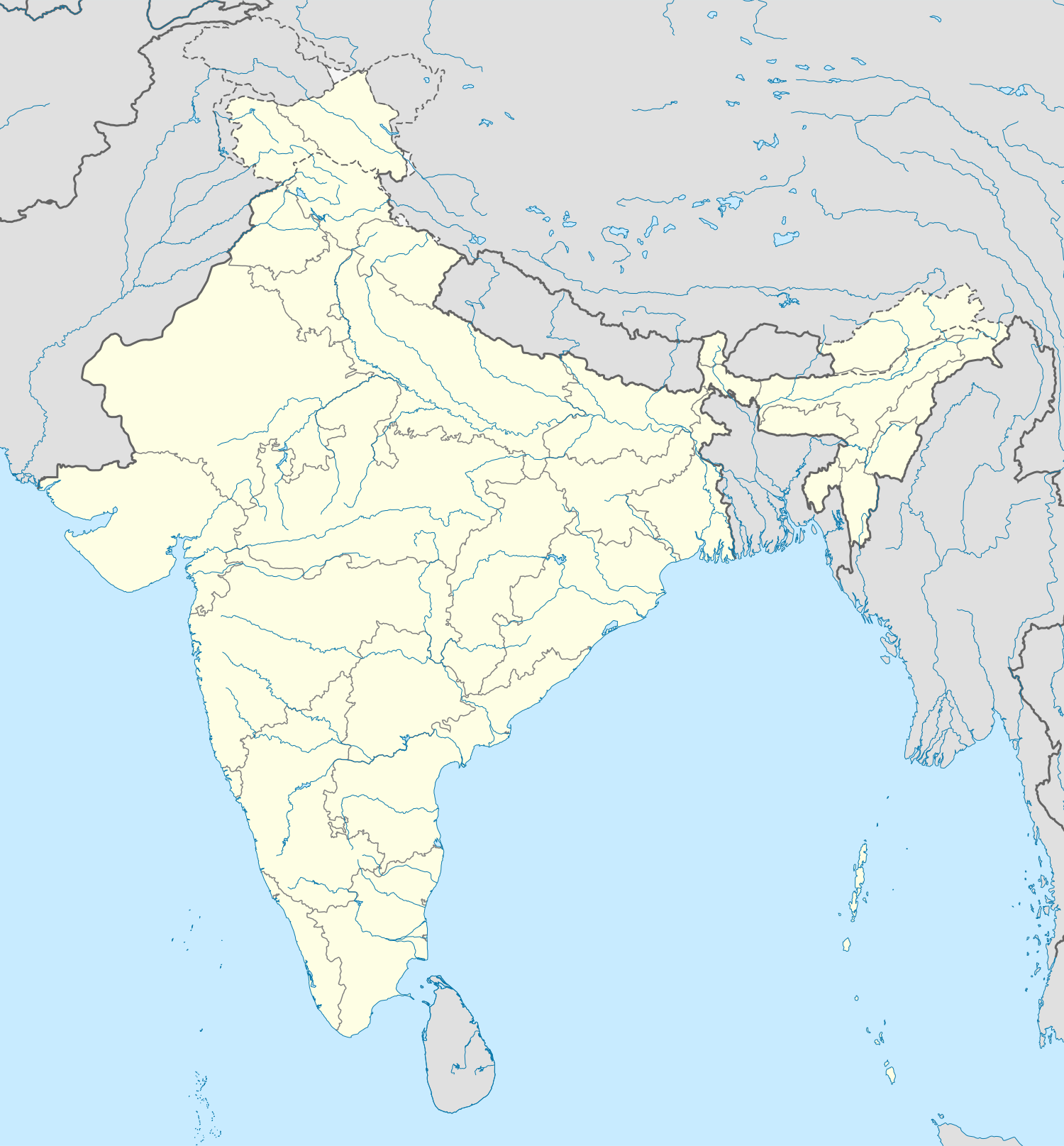 UttarakhandHimachal PradeshUttar PradeshUttarakhandDehradunJoshimathUttarakhand
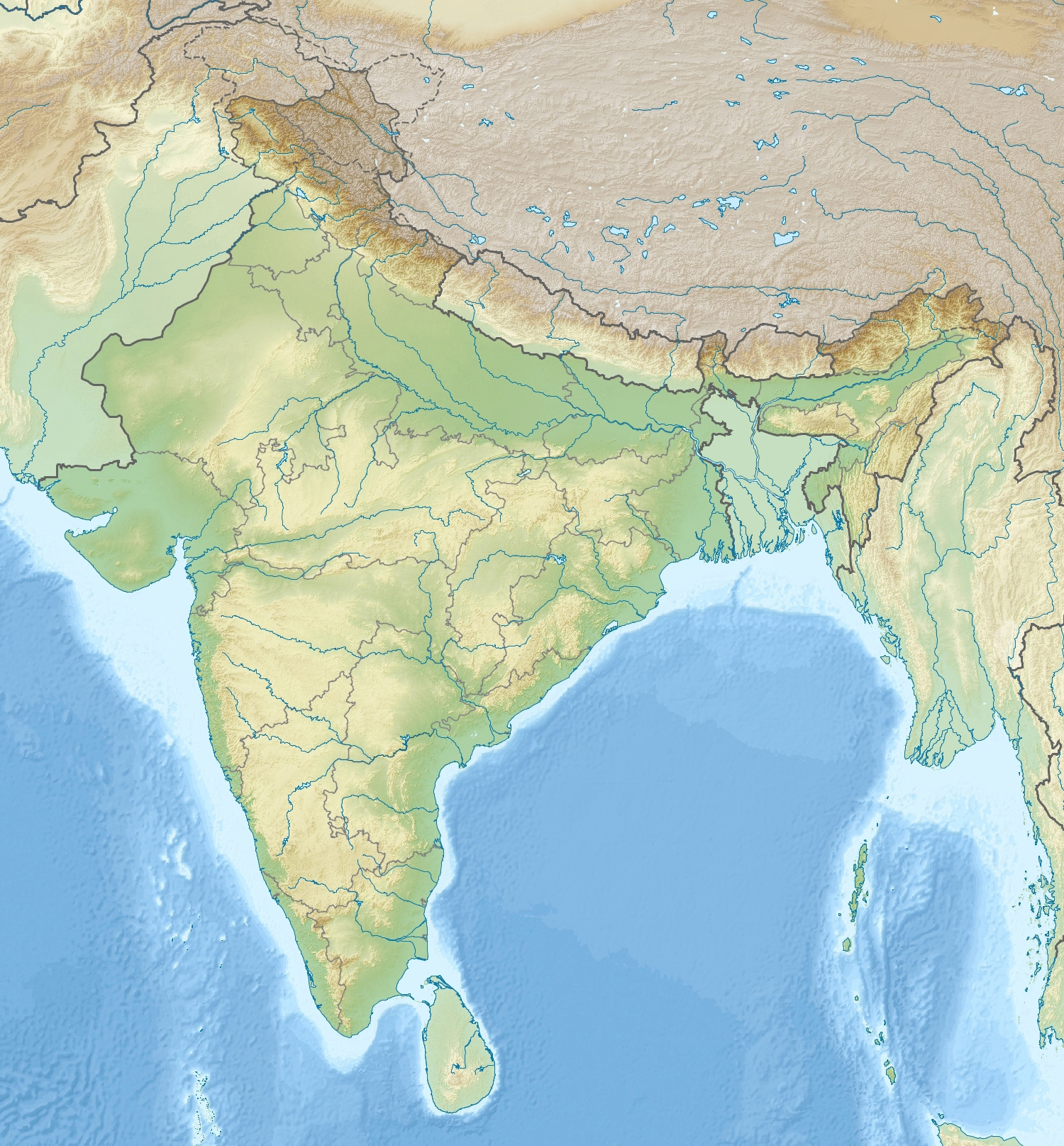 Ganga HeadwatersGreater HimalayaUttarakhandJim Corbett NPNanda Devi NPUttarakhand
Key facts
Landslide frequency in Himachal Pradesh and Uttarakhand has risen by 40% over the past five years, per government data.
MSMEs in these states account for 22% of India’s total MSME output.
Credit access remains a critical issue, with 60% of small enterprises reporting insufficient funding, according to a RBI survey.
Supply chain disruptions in landslide-prone areas have led to a 15% increase in operational costs for local manufacturers.
Context
- MSMEs contribute over 30% to India’s GDP and employ around 110 million people.
- Landslides are increasingly frequent in Himalayan states, linked to extreme weather and deforestation.
- The sector already faces challenges like delayed payments, high interest rates, and regulatory complexities.
Why it matters
- Economic impact: Landslides disrupt supply chains, raising costs for MSMEs dependent on local raw materials and logistics.
- Employment risk: Job losses in hilly states where MSMEs are a major employer, such as Uttarakhand and Himachal Pradesh.
- Policy focus: Highlights the need for disaster-resilient infrastructure and targeted support for MSMEs in vulnerable regions.