International Relations
Iran and US introduce new conditions during Strait of Hormuz negotiations
What happened
Negotiations between Iran and the United States over security in the Strait of Hormuz have introduced new conditions, raising questions about the future of maritime stability in a critical global shipping route. The talks, held recently, aim to address longstanding tensions but remain fragile amid differing demands.
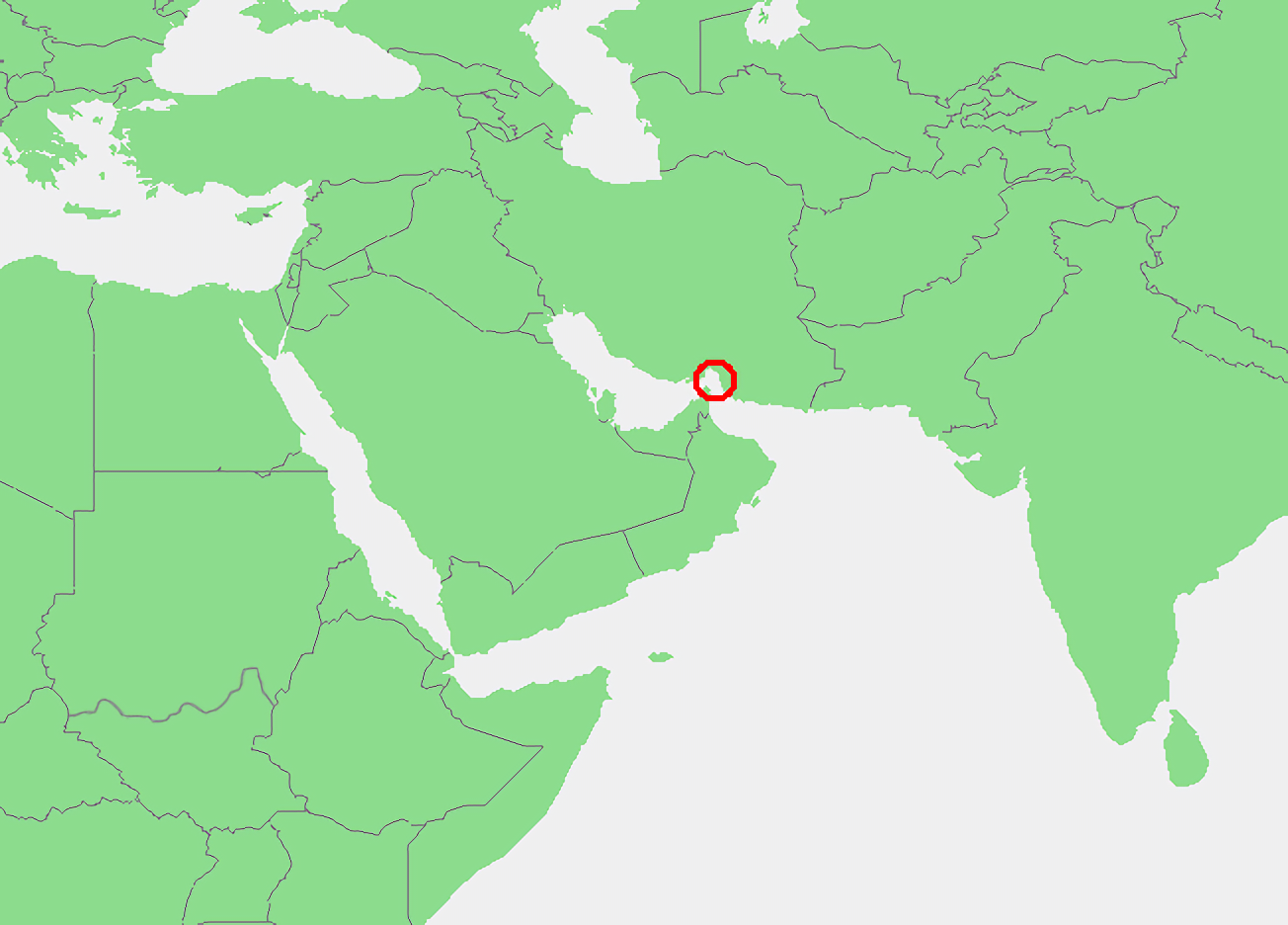
Strait of Hormuz
 Strait of HormuzIranSaudi ArabiaAfghanistanPakistanStrait of Hormuz
Key facts
The latest round of talks took place in Muscat, Oman, a neutral venue often used for indirect diplomacy between the two nations.
Both sides have proposed new conditions, though specific details remain undisclosed to the public.
The US delegation was led by a senior State Department official, while the Iranian team included representatives from the Ministry of Foreign Affairs.
Maritime analysts note that any agreement must balance Iran’s security concerns with international demands for unrestricted passage.
The talks follow a series of incidents in the strait, including seizures of commercial vessels and military posturing by both sides.
Context
The Strait of Hormuz is a vital shipping lane connecting the Persian Gulf to the Gulf of Oman, through which a significant portion of the world's oil supply passes. Tensions in the region have periodically disrupted maritime traffic, impacting global oil markets and supply chains. Previous negotiations between Iran and the US have focused on security guarantees, sanctions relief, and regional stability. The US has historically led international efforts to ensure freedom of navigation in the strait, while Iran has asserted control over its territorial waters.