Environment
Kerala faces monsoon paradox: floods, landslides amid 22% rainfall deficit
What happened
Kerala is experiencing severe flooding and deadly landslides despite a 22% deficit in monsoon rainfall this season. The state’s disaster management authorities report at least 12 deaths and widespread damage to infrastructure, raising concerns over climate adaptation and early warning systems. Experts link the extreme events to erratic rainfall patterns and saturated soil conditions.
Kerala
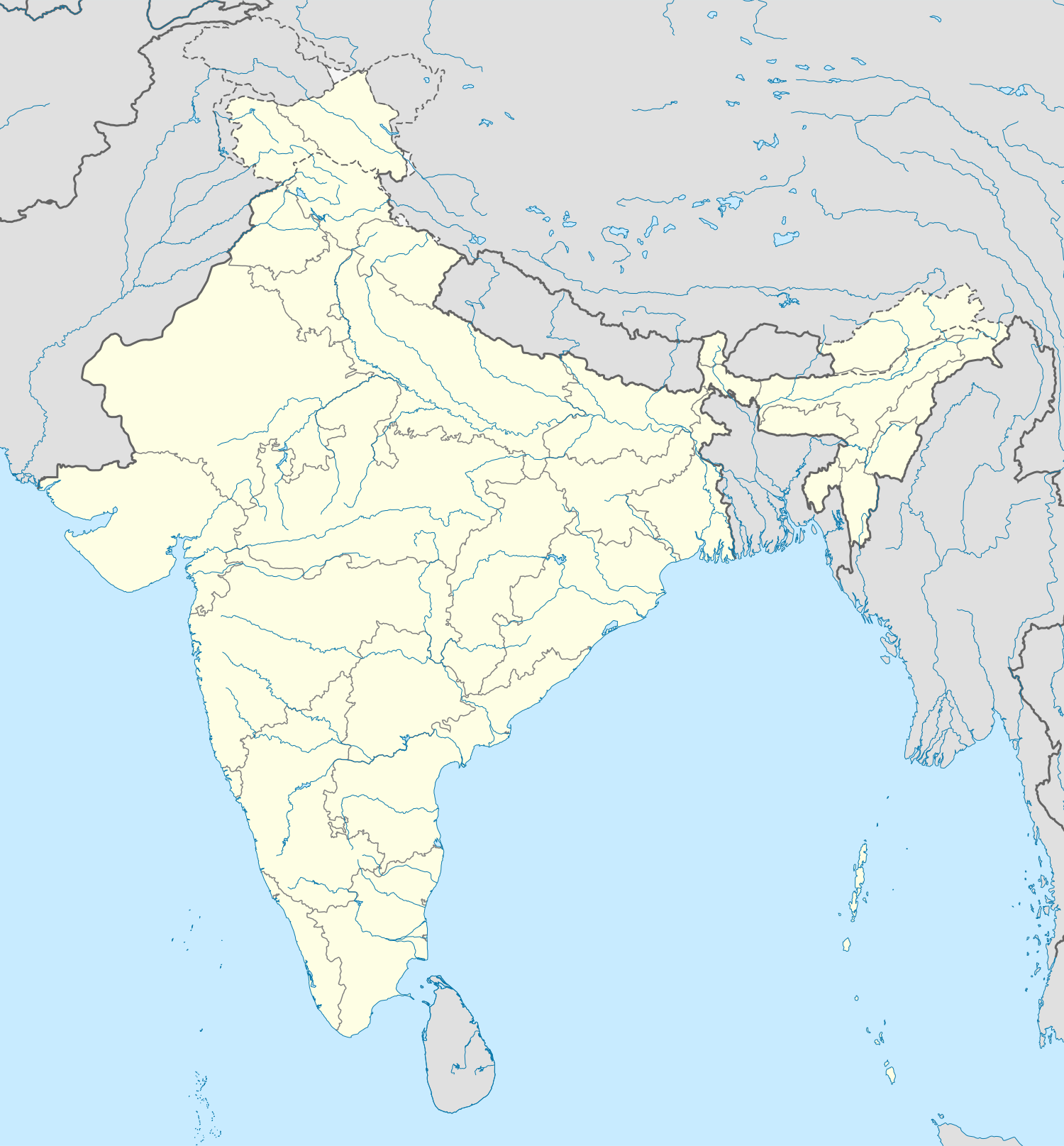 KeralaKarnatakaTamil NaduKeralaMunnarKochiKerala
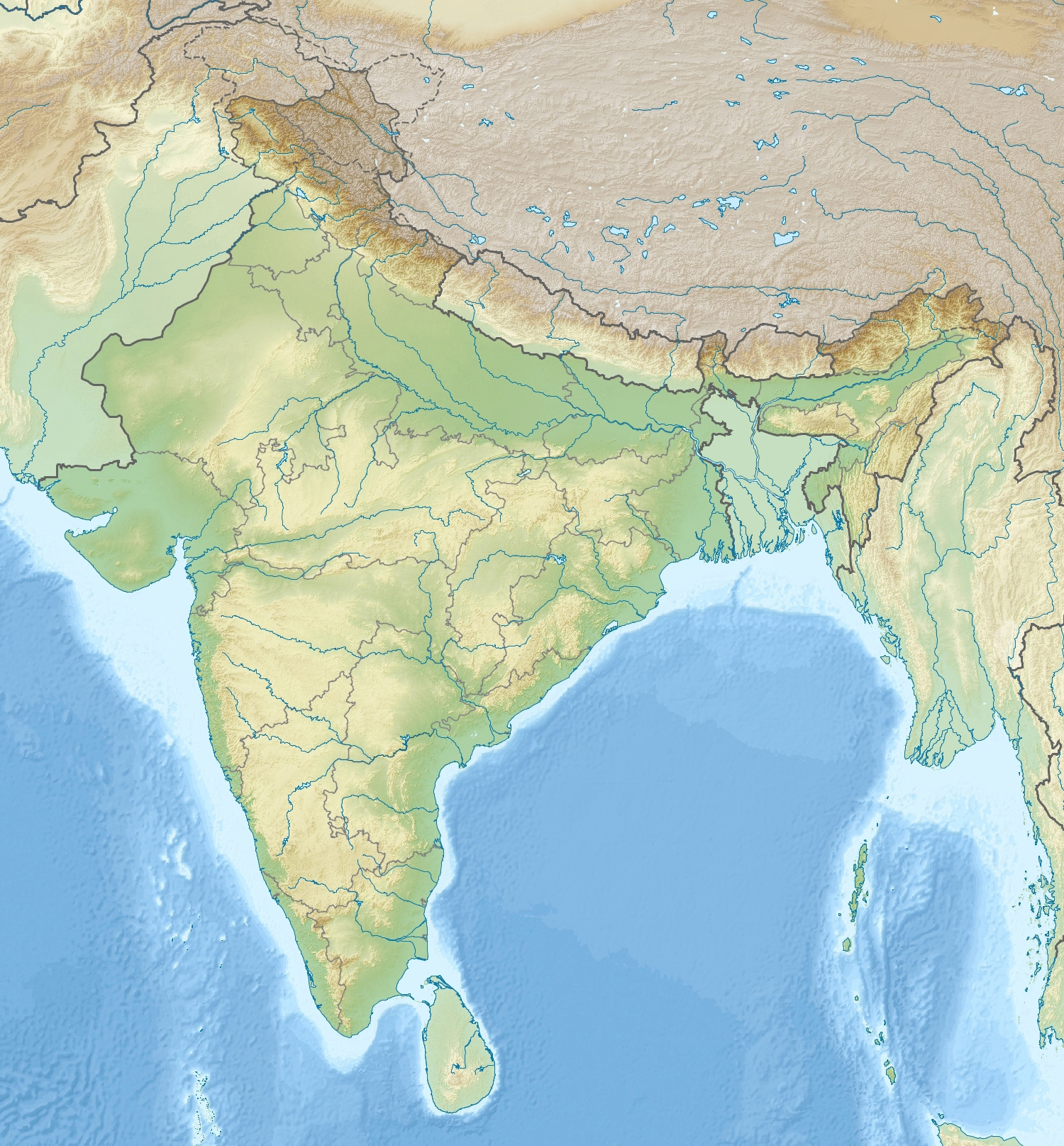 Western GhatsPeriyarKeralaEravikulam NPPeriyar NPKerala
Key facts
Rainfall deficit: 22% below normal for the monsoon season as of August 12, 2026.
Deaths reported: At least 12 due to landslides and flooding in Idukki, Wayanad, and Malappuram districts.
Evacuations: Over 5,000 people displaced across 15 districts.
Infrastructure damage: 200+ roads and 15 bridges disrupted, with 30,000 hectares of crops affected.
Rescue operations: National Disaster Response Force (NDRF) and State Disaster Management Authority (SDMA) deployed in 10 districts.
Context
- Kerala receives ~3,000 mm of rainfall annually, with the southwest monsoon (June–September) contributing ~70% of the total.
- The state is prone to landslides due to its Western Ghats terrain and high rainfall intensity.
- 2018 and 2019 saw devastating floods, prompting the state to revise disaster management plans.
Why it matters
- Highlights the growing challenge of climate-induced disasters in India’s most densely populated states.
- Underscores the need for improved early warning systems and infrastructure resilience in flood-prone regions.
- Raises questions about agricultural impacts due to erratic monsoon patterns affecting livelihoods.