International Relations
Saudi Arabia-Turkey-Pakistan Trilateral Defence Pact: Strategic Implications for Iran and India
What happened
Saudi Arabia, Turkey, and Pakistan have formalized plans to deepen their trilateral defense and security cooperation. This emerging axis, referred to by regional analysts as a potential 'Islamic NATO' equivalent, has triggered significant geopolitical concern in Iran. The development marks a major consolidation of military, financial, and industrial resources among three prominent Sunni-majority powers, threatening to alter the balance of power in West Asia and South Asia.
Locate the place
 IranIsraelEgyptSaudi Arabia
 Saudi Arabia
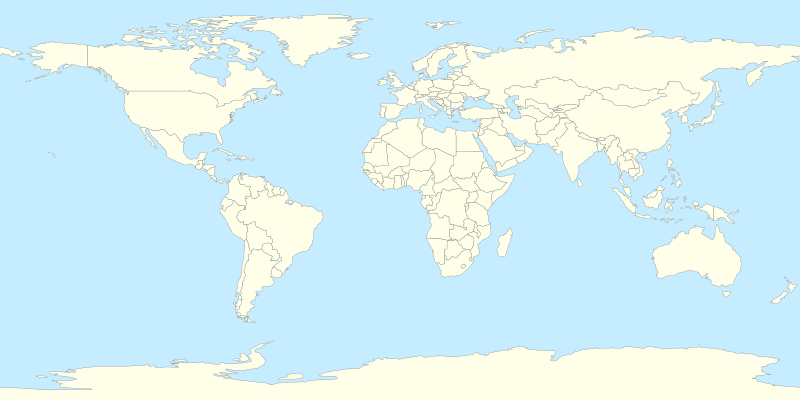
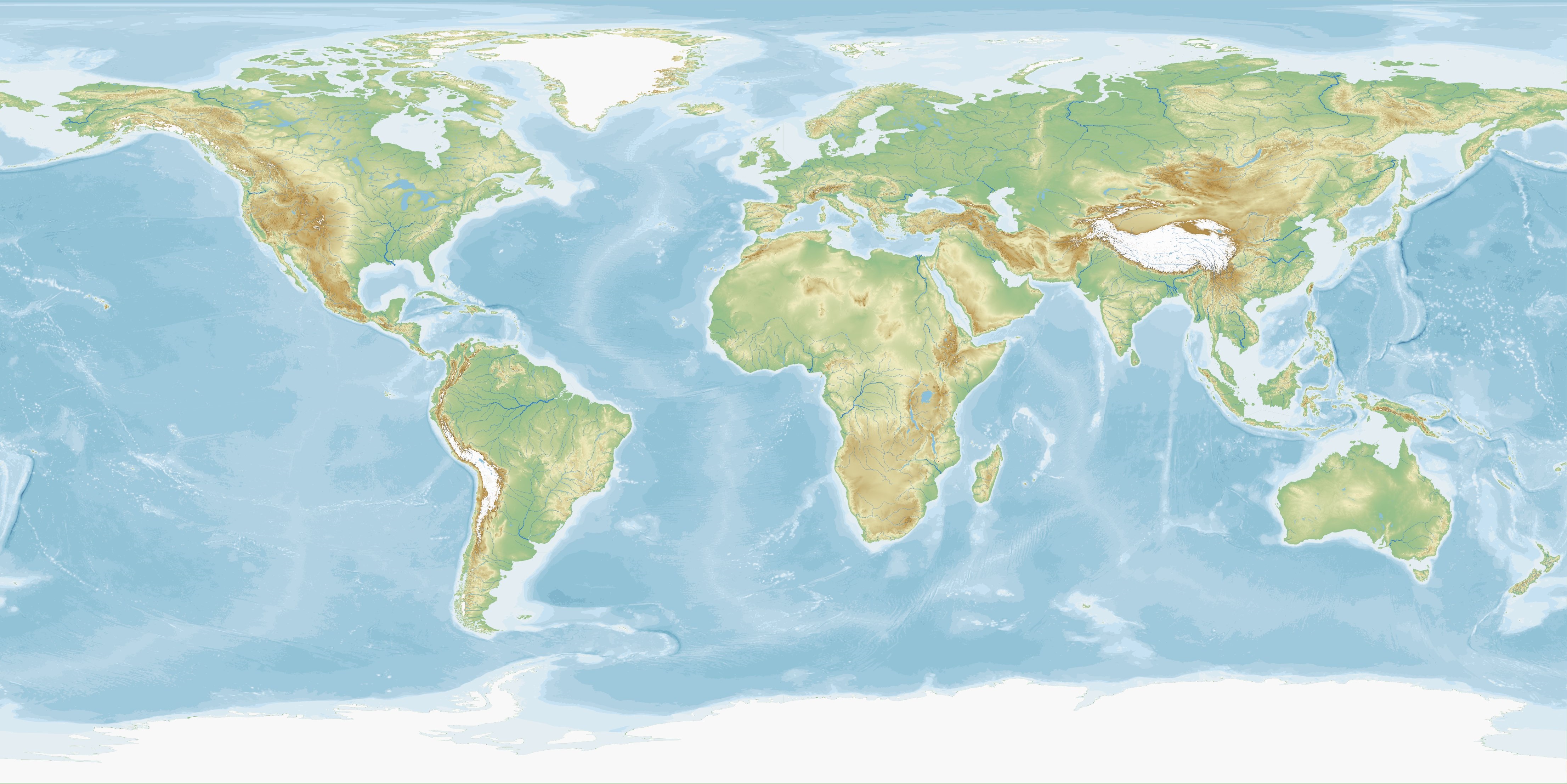
Marker uses stored geographic coordinates on equirectangular location-map bounds. India map bases: Wikimedia Commons / Uwe Dedering (CC BY-SA 3.0). World political base: public domain; physical world base: Gundan (CC BY-SA 4.0).
Key facts
March 2023 Saudi-Iran Normalization: A diplomatic breakthrough brokered by China that restored official ties, yet did not halt regional proxy competitions.
Turkish MILGEM Project: Pakistan has co-produced advanced corvettes with Turkey under this defense industrial transfer program.
Chabahar Port Agreement (May 2024): India signed a crucial 10-year bilateral contract to operate the Chabahar Port in Iran, cementing its commitment to bypassing Pakistan for Central Asian trade routes.
Saudi Financial Assistance: Frequent multi-billion dollar deposits by Saudi Arabia into the State Bank of Pakistan to stabilize its foreign exchange reserves, highlighting Pakistan's economic dependence on Riyadh.
Context
Geopolitical Dynamics of West Asia
West Asian geopolitics is historically defined by the rivalry between Saudi Arabia (a Sunni-majority monarchy) and Iran (a Shia-majority Islamic republic). Despite a China-brokered diplomatic normalization in March 2023, structural trust deficits remain high.
The Trilateral Capabilities
- Saudi Arabia: Provides immense financial resources and religious leadership in the Islamic world.
- Turkey: A NATO member with a rapidly growing, highly advanced domestic defense manufacturing sector, particularly famous for its drone technology.
- Pakistan: Possesses nuclear weapons capability and a large standing army, often seeking external financial bailouts and advanced military tech imports.
Iran's Security Dilemma
Iran perceives any Sunni-led regional defense alignment as an effort to isolate it diplomatically and militarily. Sharing long, restive borders with both Turkey and Pakistan, Tehran views their military convergence with deep suspicion, fearing sectarian containment and proxy encirclement.
Why it matters
The consolidated defense alignment directly impacts India's strategic 'Link West' policy. Turkey has consistently taken a pro-Pakistan stance on the Kashmir issue in international forums. A formal military alignment between Turkey (a major defense exporter), Saudi Arabia (India's key energy security partner), and Pakistan (India's immediate neighbor) could lead to the transfer of advanced defense technologies like unmanned combat aerial vehicles (UCAVs) to Islamabad. Furthermore, India must balance its strategic investments in Iran, particularly the Chabahar Port, without alienating Saudi Arabia.