Social Issues
Scientists Discover 14 New Gut Bacteria Species in Indian Tribal Communities
What happened
Researchers have identified 14 new species of gut bacteria among individuals from tribal communities in India. The discovery highlights the unique microbial diversity present in indigenous populations whose traditional diets and living conditions differ significantly from urban demographics. Uncovering these previously unrecorded bacterial strains provides valuable insights into how distinct lifestyles and environmental factors shape the human microbiome, offering potential avenues for understanding human health, nutrition, and disease variations across diverse socio-cultural population groups.
Locate the place
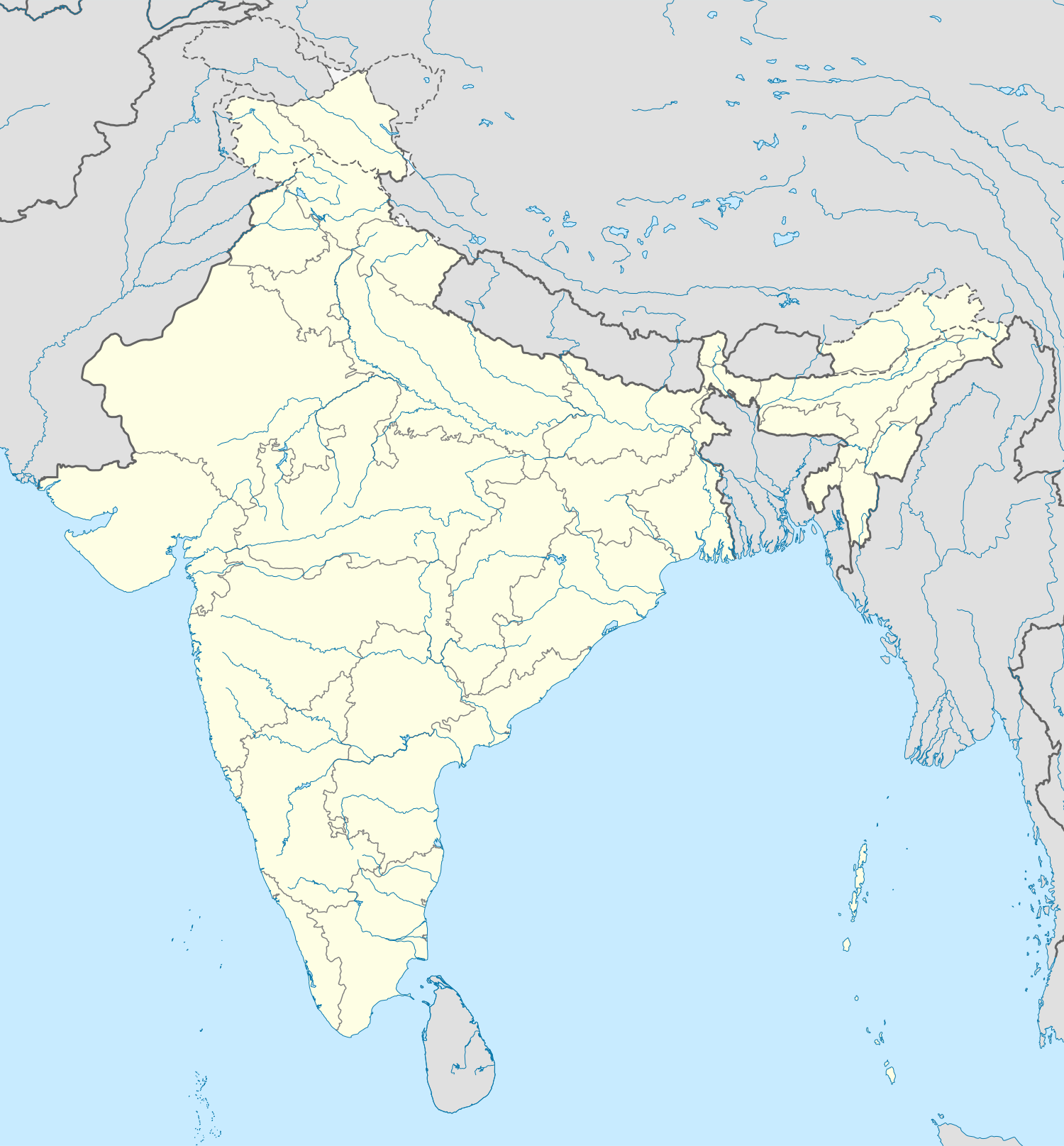 India
India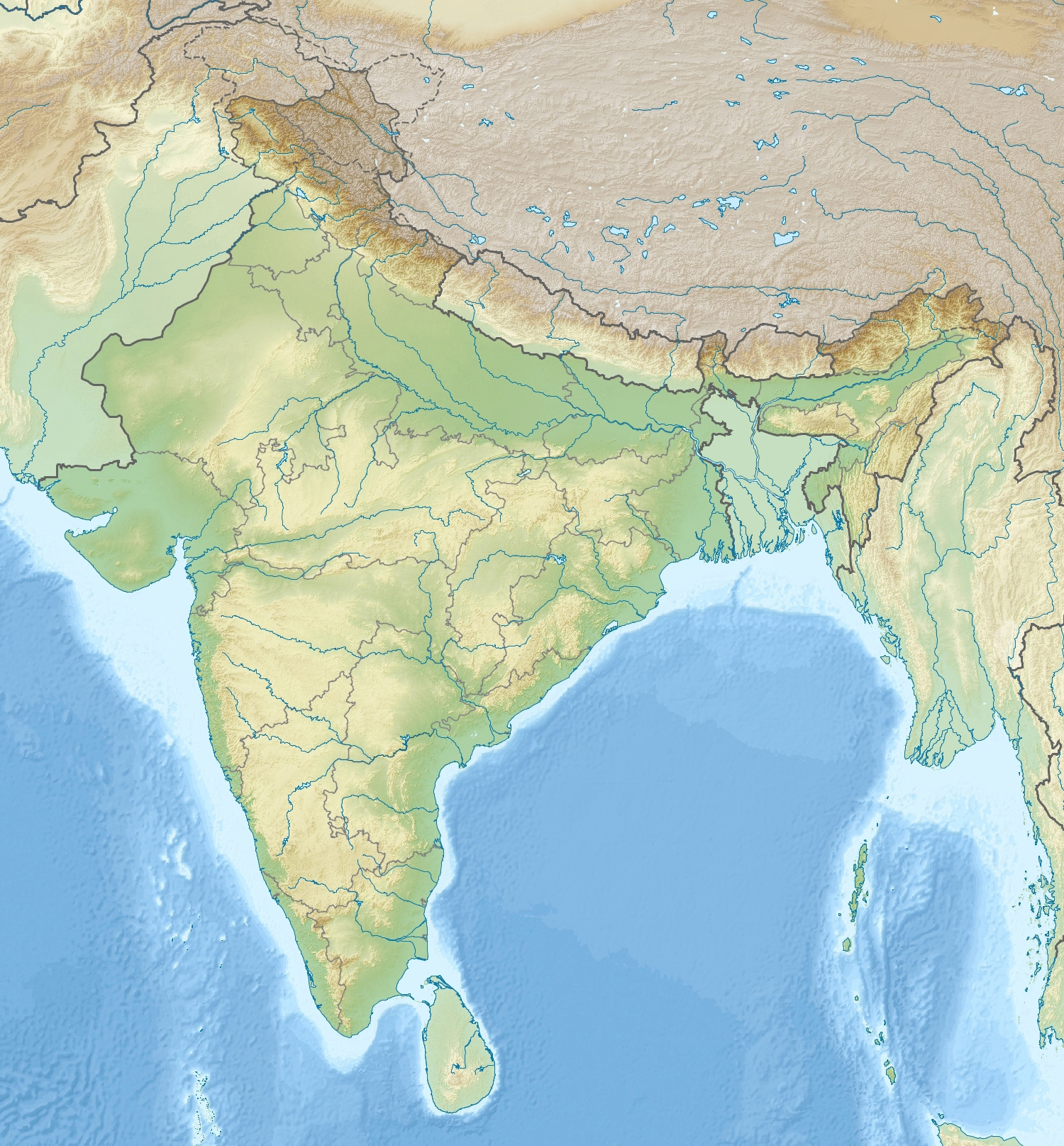 India
IndiaMarker uses stored geographic coordinates on equirectangular location-map bounds. India map bases: Wikimedia Commons / Uwe Dedering (CC BY-SA 3.0). World political base: public domain; physical world base: Gundan (CC BY-SA 4.0).
Key facts
New Species: 14 previously unknown gut bacteria species were identified.
Target Group: Members of tribal communities in India.
Publication Date: Reported on August 5, 2026.
Context
- Human Gut Microbiome: The complex ecosystem of microorganisms residing in the digestive tract that influences digestion, immunity, and overall health.
- Dietary Influence: Traditional, minimally processed diets often preserve ancestral gut bacteria that may be absent in urban populations.
Why it matters
- Microbiome Diversity: Expands scientific understanding of unique microbial strains present in indigenous Indian populations.
- Health Insights: Supports research into how traditional dietary habits influence human gut health and metabolic processes.