Environment
Shivamogga Zoo Transports Indian Gaurs to Patna in Exchange for Wolves and Gharials
What happened
The Shivamogga Zoo in Karnataka has successfully transported two Indian gaurs to the Patna Zoo in Bihar. This animal translocation is part of a mutually agreed-upon wildlife exchange program between the two institutions. In return for the gaurs, the Shivamogga facility is scheduled to receive wolves and gharials to diversify its captive wildlife population and boost conservation efforts.
Patna
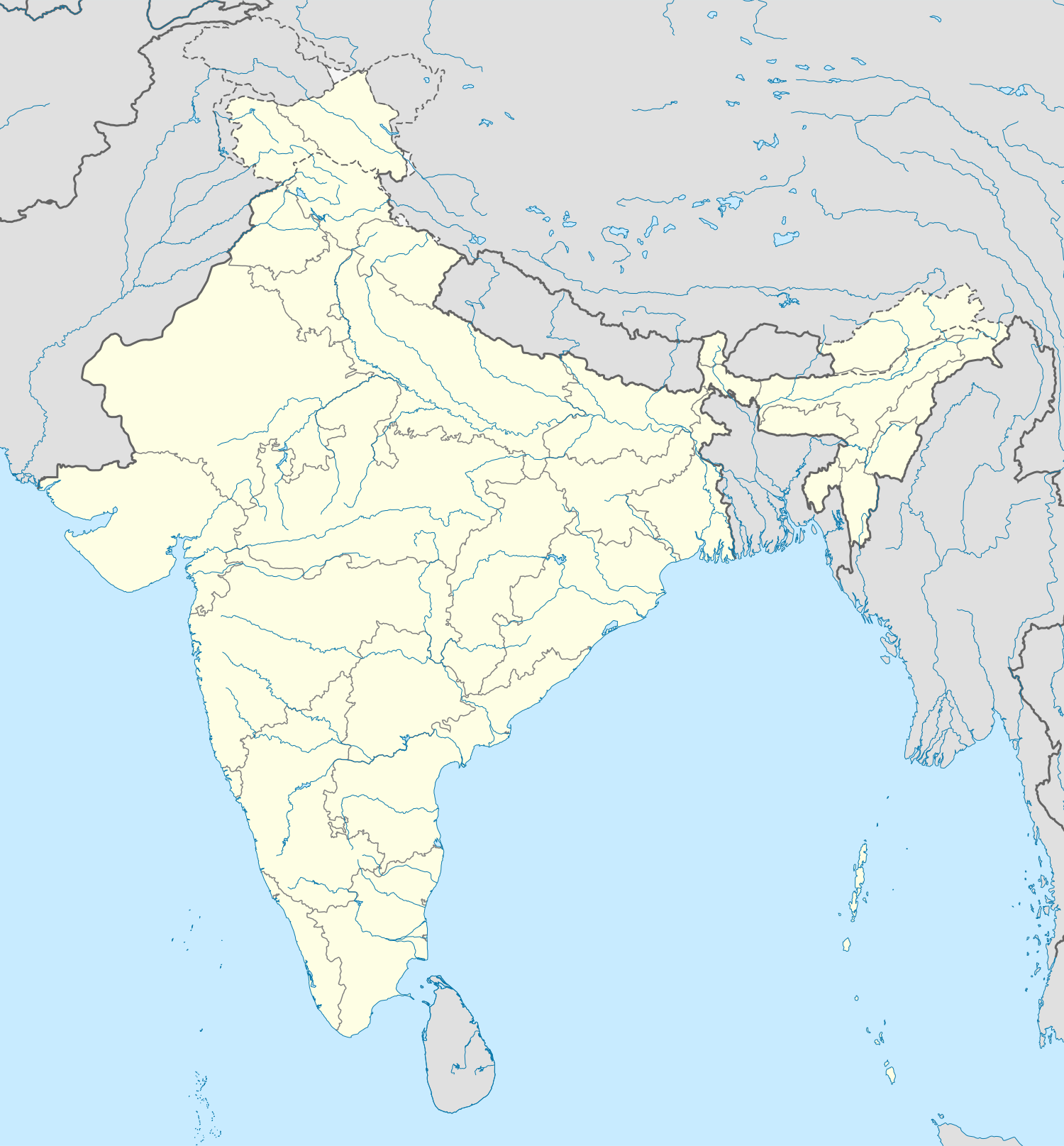 PatnaUttar PradeshJharkhandWest BengalPatnaPatnaBodh GayaPatna
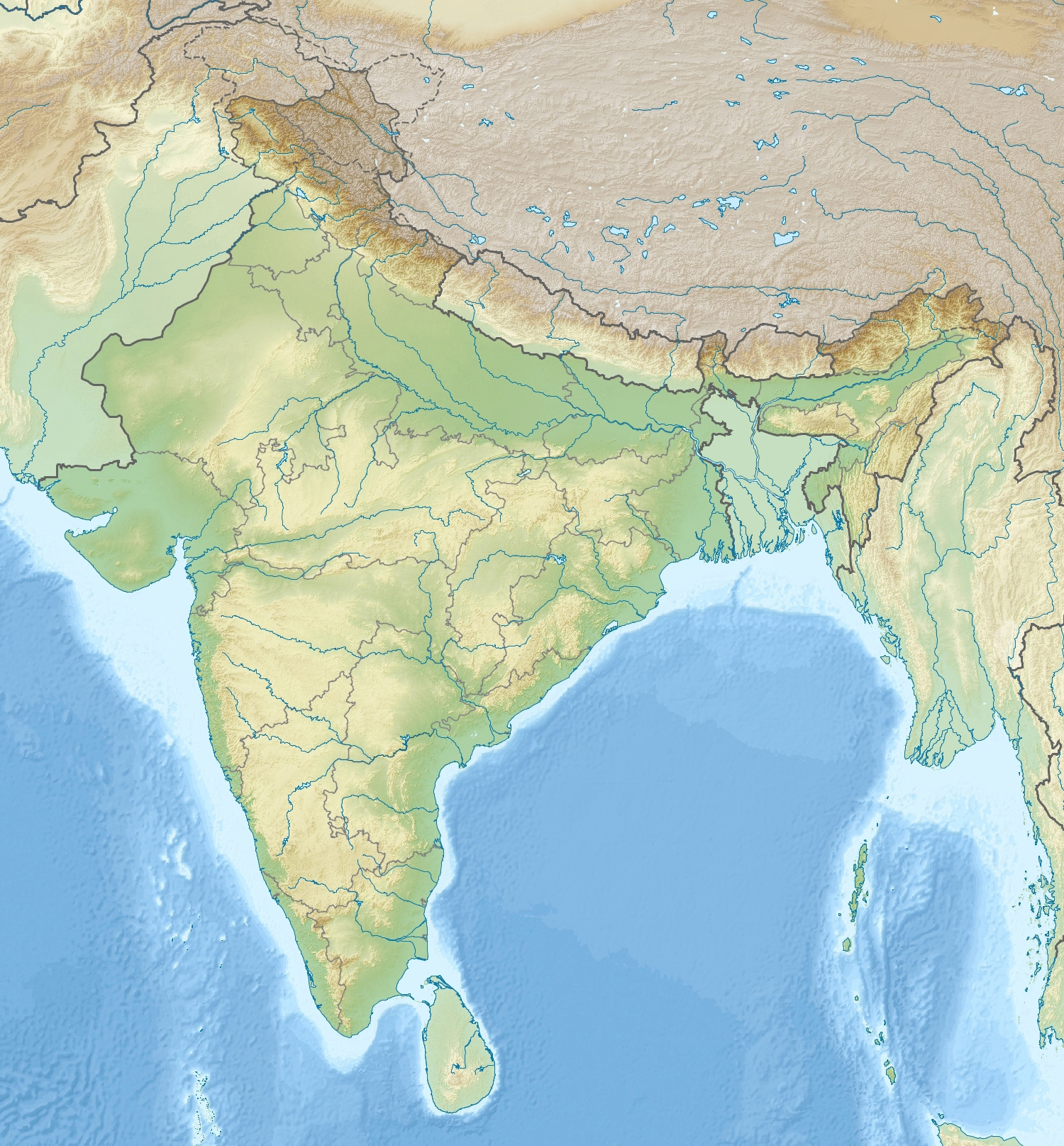 GangaKosiPatnaValmiki NPVikramshila Dolphin SanctuaryPatna
Key facts
The Exchange: Two Indian gaurs were safely transported over a long-distance road route from Shivamogga in Karnataka to Patna in Bihar.
Reciprocal Species: In return, Shivamogga Zoo will receive wolves and gharials from Patna's Sanjay Gandhi Biological Park.
Health and Safety: The transport was executed with a dedicated team of veterinarians and animal handlers to monitor the gaurs' stress levels and health during transit.
CZA Guidelines: The transaction complies with the Central Zoo Authority's guidelines on animal translocations and facility readiness.
Context
- Regulatory Body: All animal exchanges between recognized Indian zoos must be evaluated and approved by the Central Zoo Authority (CZA), which monitors animal welfare and genetic diversity.
- Indian Gaur: Also known as the Indian bison, it is the largest species of wild cattle and is classified as Vulnerable on the IUCN Red List.
- Gharials and Wolves: Gharials are specialized fish-eating crocodilians native to northern Indian rivers, while Indian wolves represent a key predatory species of dry grassland ecosystems.
Why it matters
- Captive Breeding and Diversity: Facilitating animal exchanges between Indian zoos prevents inbreeding depression and enhances the genetic health of captive populations of threatened species.
- Regional Conservation Awareness: Introducing critically endangered gharials and wolves to southern Indian facilities helps spread public awareness about diverse ecosystems across India.