Science & Technology
Study finds microplastic pollution threatening Brahmaputra river shorelines
What happened
A study backed by the North Eastern Development Finance Corporation (NEDFi) and conducted by IIT Guwahati has revealed significant microplastic pollution along the shorelines of the Brahmaputra River. The findings highlight concerns over environmental degradation and potential health risks in the region.
Assam
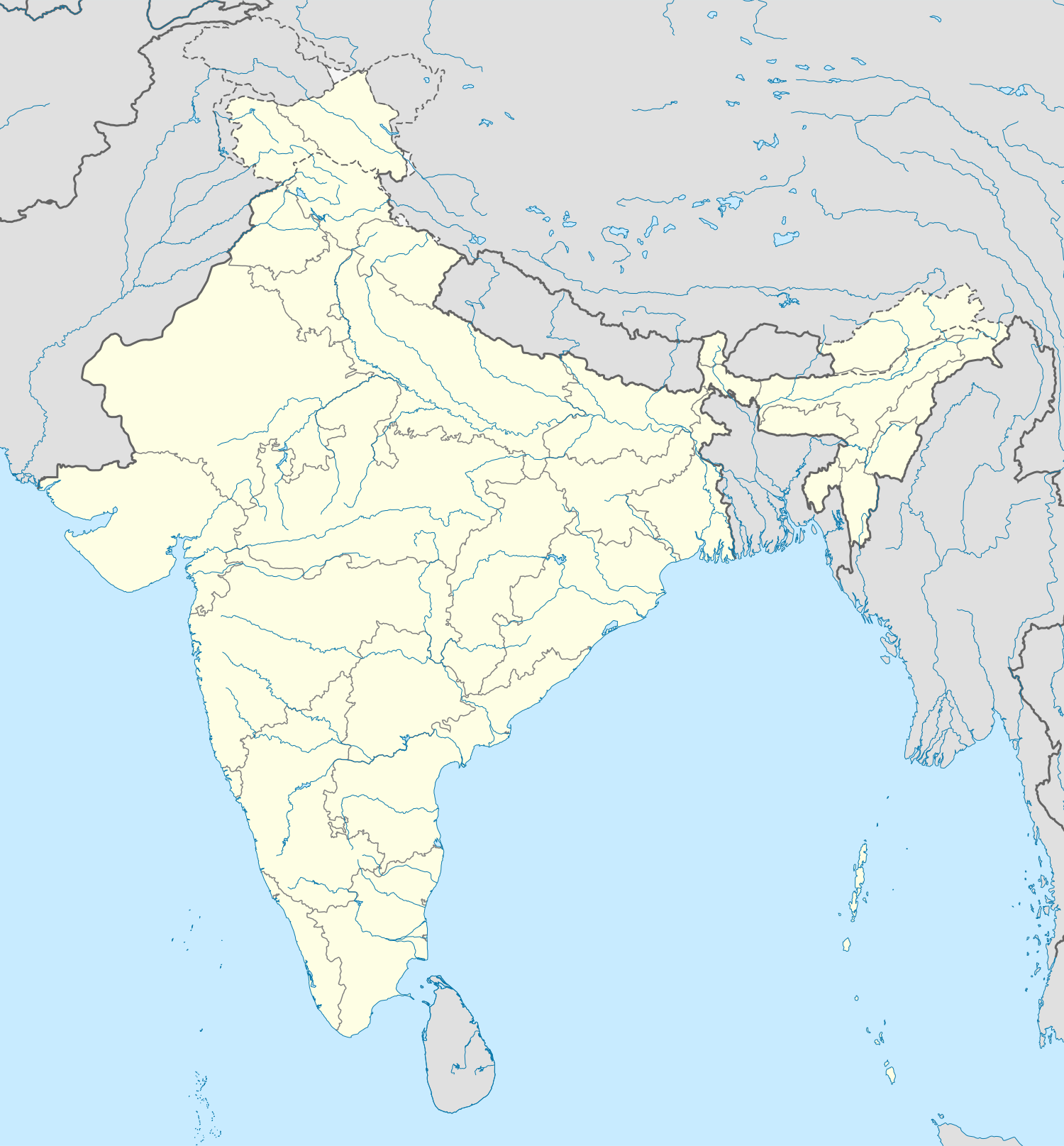 AssamArunachal PradeshNagalandManipurMeghalayaWest BengalAssamKazirangaMajuliAssam
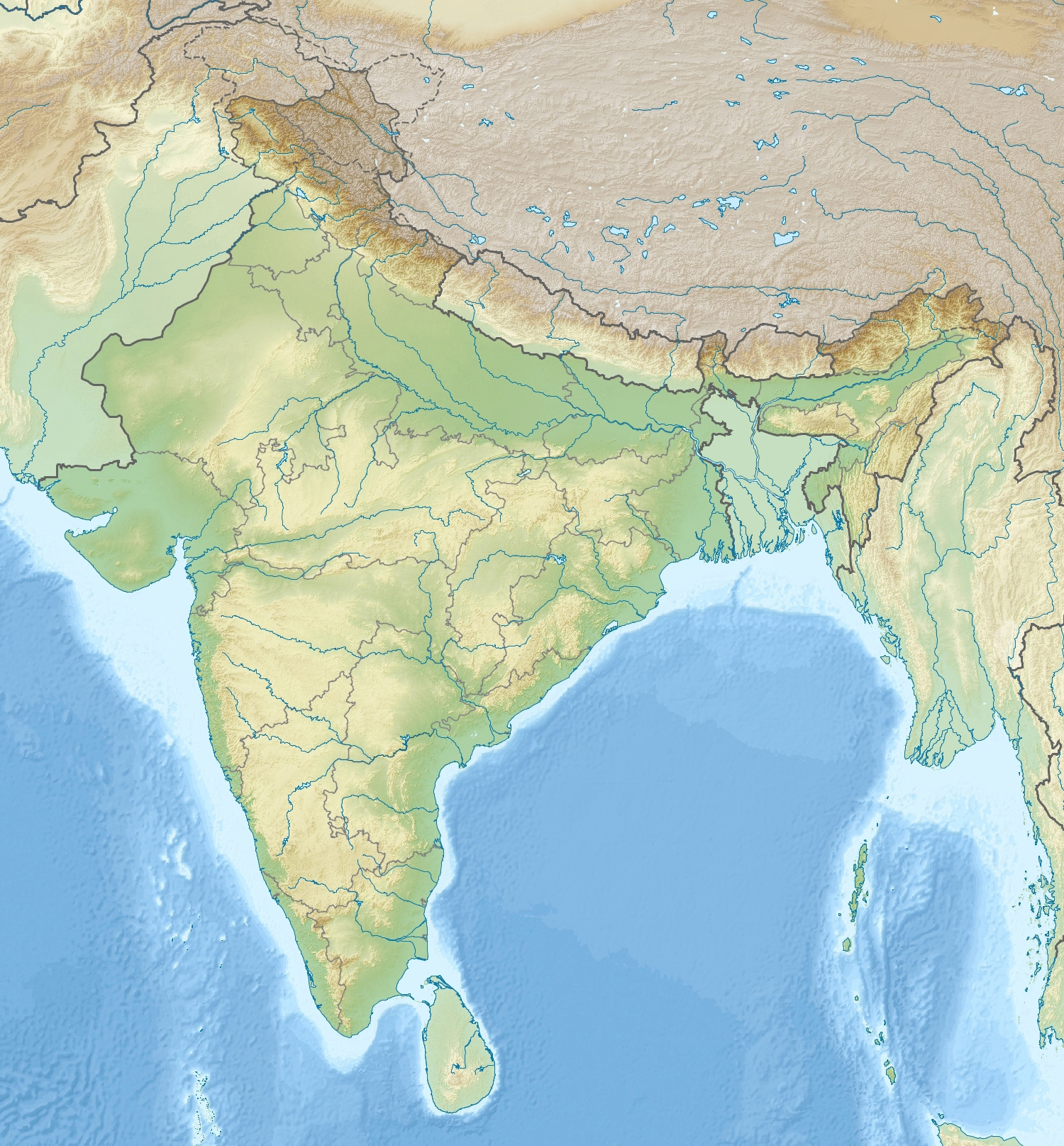 BrahmaputraBarail HillsAssamKaziranga NPManas NPAssam
Key facts
The study was conducted by researchers from IIT Guwahati, supported by NEDFi, a financial institution focused on northeastern India.
Microplastic concentrations were detected in sediment samples along the Brahmaputra shorelines in Assam, with polyethylene and polypropylene being the most common types.
Researchers identified fiber fragments as the dominant microplastic form, likely from synthetic clothing and fishing nets.
The study suggests that urban runoff, waste disposal, and industrial discharge are primary contributors to the pollution.
Findings were published in a peer-reviewed journal, emphasizing the need for further research and mitigation strategies.
Context
- The Brahmaputra River is a transboundary river flowing through China, India, and Bangladesh, crucial for agriculture, transportation, and ecosystems.
- Microplastics are tiny plastic particles (<5mm) that persist in the environment, originating from sources like synthetic textiles, cosmetics, and plastic waste degradation.
- Previous studies have documented microplastic pollution in marine and freshwater systems globally, but research on Indian rivers remains limited.
Why it matters
- Highlights environmental risks to one of India’s major river systems, impacting biodiversity and water quality.
- Raises public health concerns due to potential microplastic contamination in drinking water sources.
- Underscores the need for policy interventions to address plastic pollution in riverine ecosystems.