Environment
Toxic Gas Leak at Bangladesh Shipbreaking Yard Kills Eight Workers
What happened
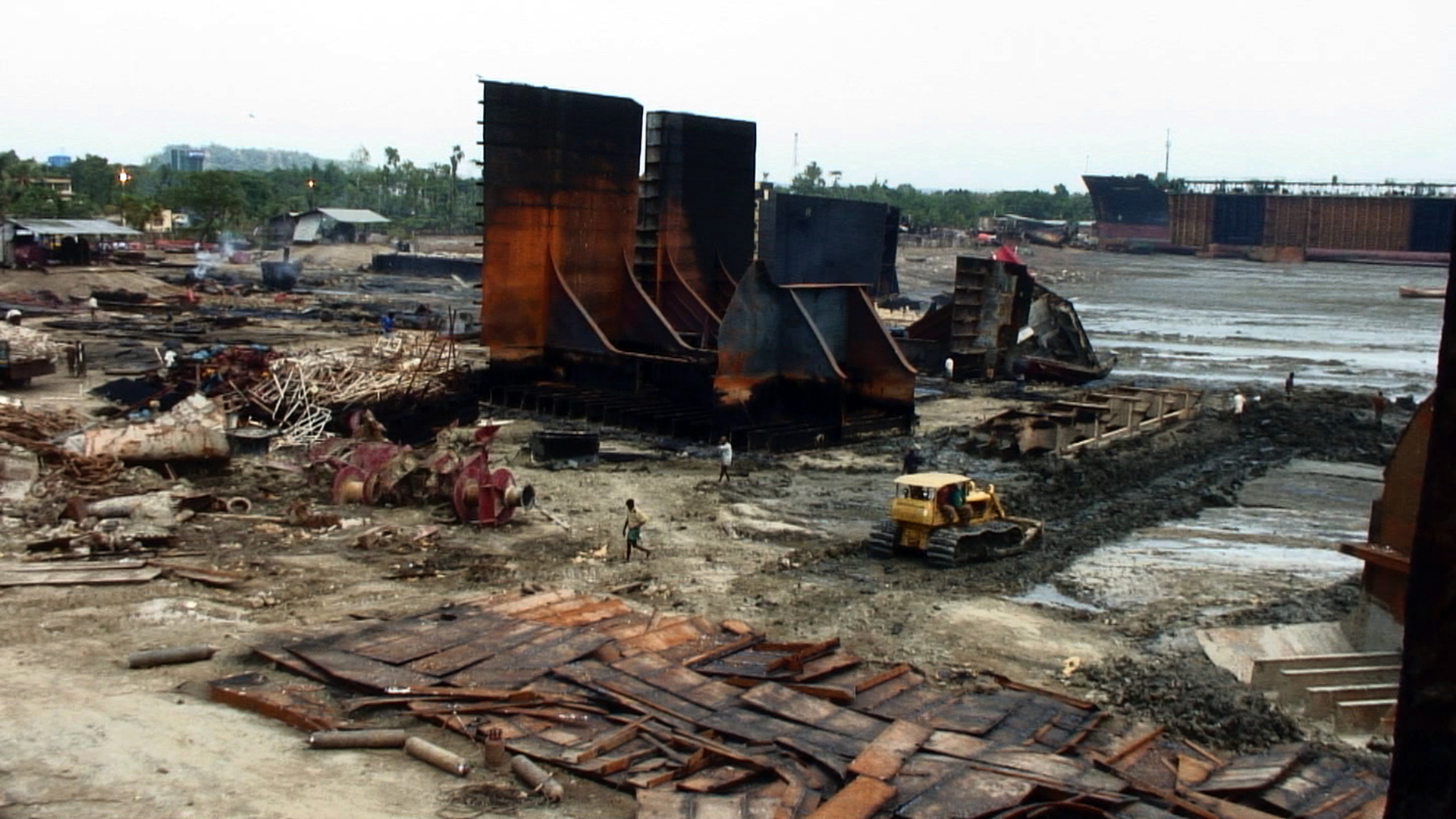
On August 14, 2026, a fatal toxic gas leak occurred at a shipbreaking yard in Bangladesh, resulting in the deaths of at least eight workers. The industrial accident has once again drawn international attention to the severe safety hazards, lack of protective equipment, and regulatory lapses that characterize the ship-dismantling industry in South Asia. Local authorities and emergency services responded to the scene to manage the immediate aftermath of the chemical exposure.
Bangladesh
 BangladeshIndiaMyanmarBangladesh
 Ganga-Brahmaputra DeltaBay of BengalBangladesh
Key facts
Date of Incident: The toxic gas leak was reported on August 14, 2026.
Casualties: At least eight workers were confirmed dead following exposure to the toxic fumes.
Location: The incident took place at a commercial shipbreaking yard in Bangladesh.
Nature of Hazard: The tragedy involved a lethal toxic gas leak during ship-dismantling operations.
Context
- Shipbreaking Industry: Bangladesh operates one of the world's largest ship-recycling industries, which is a major source of cheap domestic steel scrap but is heavily criticized for its poor safety record.
- Hazardous Work Environment: Workers in these yards regularly face life-threatening risks, including explosions, toxic gas inhalation, structural collapses, and long-term exposure to hazardous substances like asbestos and heavy metals.
- Regulatory Challenges: Despite international treaties like the Hong Kong Convention aimed at safe ship recycling, local enforcement of safety protocols at individual yards remains inconsistent.
Why it matters
- Labor Safety Standards: The incident emphasizes the urgent need for stricter enforcement of occupational health and safety regulations in heavy industrial sectors across South Asia.
- Global Supply Chain Concerns: It highlights the high human toll of the global ship recycling pipeline, where decommissioned vessels are dismantled under hazardous conditions in developing economies.