Map focus
28.61°, 77.21° · maps only where geography mattersNew Delhi
CountryIndia→StateDelhi→PlaceNew Delhi
India locator
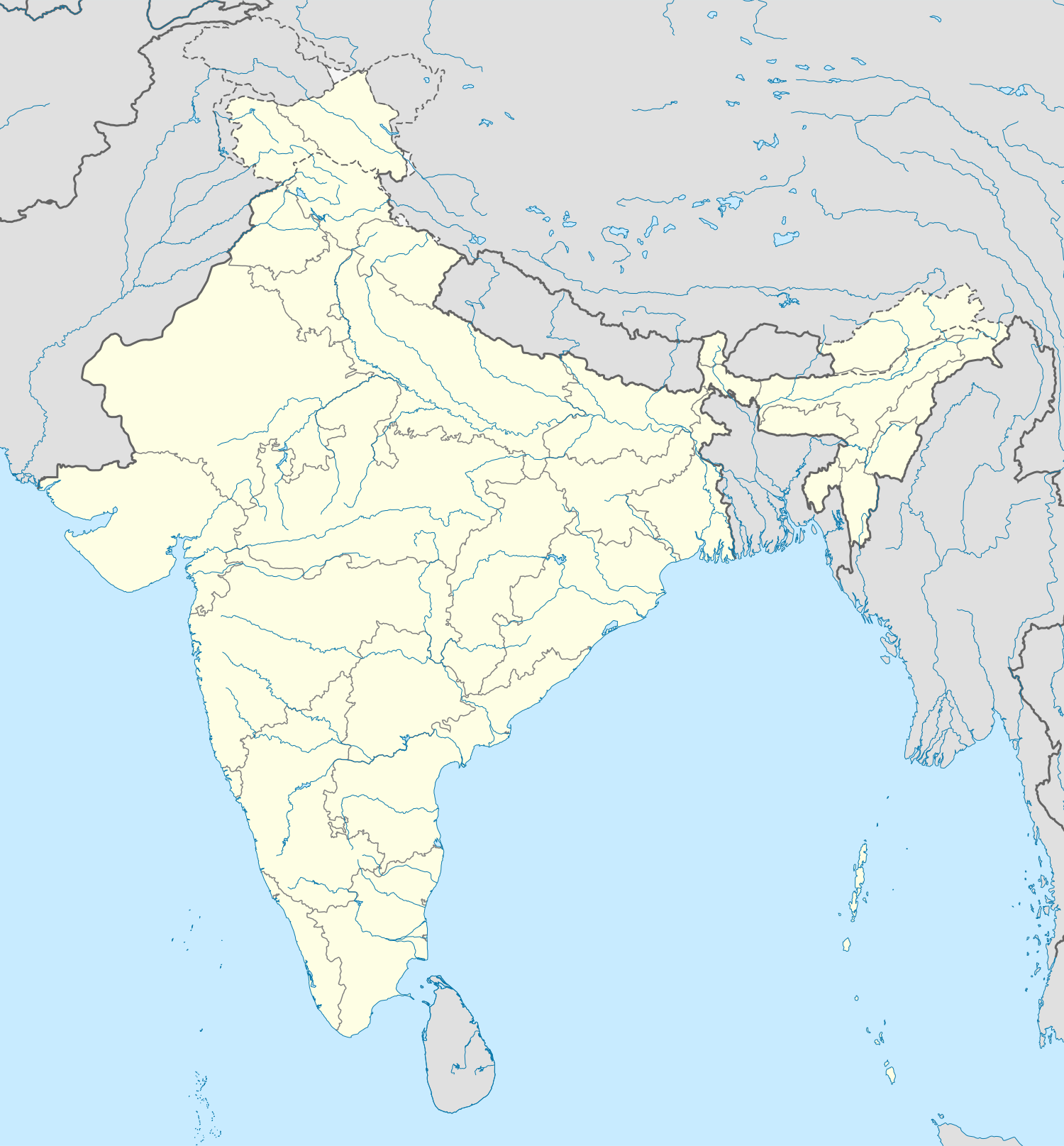 New Delhi
Nearby states
HaryanaUttar PradeshNew DelhiRegional places
Red FortQutub MinarNew DelhiRivers & relief
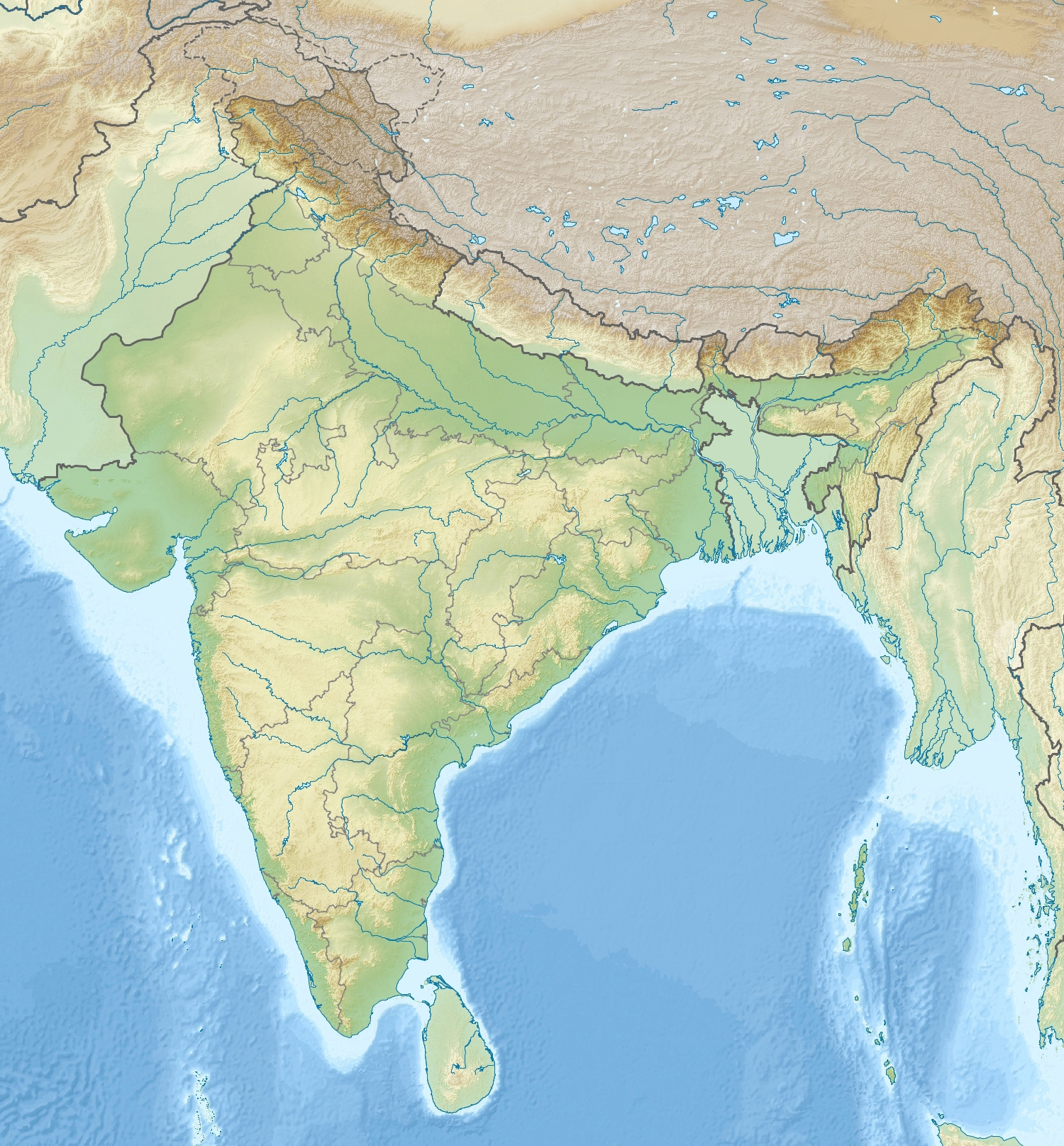 YamunaAravalli RidgeNew Delhi
NP / WLS nearby
Asola Bhatti WLSNew DelhiStates: Haryana · Uttar PradeshNearby: Red Fort · Qutub MinarPhysical: Yamuna · Aravalli RidgeProtected: Asola Bhatti WLS
📌 Why in News?
India-Germany Sustainability Partnership CA_CATEGORY: International Relations and Environment CA_GS: GS Paper II, GS Paper III CA_DATE: 31 August 2026 CA_IMAGE: NO 4th Indo-German Environment Forum: Green Industrial Cooperation, Climate Resilience and the India-Germany Sustainability Partnership Why in News?
- India and Germany prepared to hold the 4th Indo-German Environment Forum in New Delhi on 1 September 2026, with the announcement issued on 31 August 2026.
- The forum's theme is 'Together For More Resilience' and it is co-chaired by India's Environment Minister and Germany's Federal Minister responsible for environment, climate protection, nature conservation and nuclear safety.
- The Forum is described as the highest-level bilateral India-Germany platform focused specifically on environmental policy and has been held since 2008. Why Germany Matters to India's Green Transition
- Germany is Europe's largest economy and has deep industrial capabilities in machinery, chemicals, automotive systems, environmental engineering and renewable-energy technologies.
- India offers scale: rapidly growing electricity demand, large manufacturing capacity, urbanisation and major markets for green technologies.
- Complementarity creates scope for joint work in green hydrogen, industrial decarbonisation, circular economy, waste management, clean mobility and climate-resilient infrastructure.
- Technology cooperation is most valuable when it builds Indian manufacturing and skills rather than only importing finished equipment. Bilateral Environmental Architecture
- The Indo-German Environment Forum has operated since 2008, creating continuity across political cycles.
- The 4th Forum is jointly organised by India's Ministry of Environment, Forest and Climate Change and Germany's Federal environment ministry, with business associations also participating.
- Government-business participation matters because decarbonisation decisions are often implemented by utilities, manufacturers, banks and technology firms.
- Multi-stakeholder design can connect policy commitments with investable projects. Green and Sustainable Development Partnership
- India and Germany established a Green and Sustainable Development Partnership in 2022, creating an umbrella for cooperation on climate action and sustainable development.
- Germany announced a long-term intention to support India with at least EUR 10 billion in new and additional commitments through 2030 under the partnership framework.
- Cooperation covers areas such as renewable energy, green urban development, climate resilience, biodiversity and sustainable economic transformation.
- The partnership demonstrates how bilateral development finance is increasingly linked to nationally determined climate and SDG priorities. Renewable Energy and Grid Cooperation
- India has rapidly expanded solar and wind capacity, but variable renewable energy creates demand for storage, flexible grids, forecasting and transmission.
- Germany's Energiewende experience offers lessons in high-renewable grid integration, although the two countries have very different energy systems and demand profiles.
- Joint work can include smart grids, offshore wind, energy efficiency, battery systems and green hydrogen.
- India's policy objective should be technology co-development and domestic value addition, not simple policy copying. Green Hydrogen
- Green hydrogen is produced through electrolysis powered by renewable electricity, avoiding fossil-fuel-based hydrogen emissions when the electricity is genuinely low-carbon.
- Potential hard-to-abate uses include fertiliser, refineries, iron and steel, shipping fuels and some heavy transport.
- Cost depends heavily on renewable electricity price, electrolyser utilisation, financing and infrastructure.
- India-Germany cooperation can connect Indian low-cost renewable potential with European technology, standards and demand. Circular Economy
- A circular economy seeks to keep materials in use through design, repair, reuse, remanufacturing and recycling rather than the linear extract-use-discard model.
- Germany has advanced waste-separation and producer-responsibility systems; India has large recycling networks but also major informal-sector and enforcement challenges.
- Extended Producer Responsibility can shift part of end-of-life management cost toward producers.
- Cooperation should integrate informal workers into safer formal value chains rather than displacing livelihoods. Industrial Decarbonisation
- Steel, cement, chemicals and fertilisers are difficult to decarbonise because emissions arise from both energy use and industrial processes.
- Options include energy efficiency, electrification, hydrogen, material substitution, recycling and carbon capture in selected applications.
- Border carbon policies in Europe create a trade dimension: Indian exporters increasingly need credible carbon measurement and lower-emission production.
- Green industrial cooperation can therefore support competitiveness as well as climate mitigation. Climate Adaptation and Resilience
- The Forum's 'Together For More Resilience' theme expands cooperation beyond emissions reduction.
- India faces heat waves, floods, drought, glacial hazards and coastal risk; Germany faces floods, heat and ecosystem stress.
- Adaptation finance can support climate-resilient urban infrastructure, water systems, nature-based solutions and early warning.
- Unlike mitigation, many adaptation benefits are local, so project selection must be based on local vulnerability data. Biodiversity and Nature
- India is a megadiverse country, while Germany is a major source of international environmental finance and technology.
- Restoration, forest landscape management, wetlands and biodiversity-friendly agriculture can generate climate and livelihood co-benefits.
- Nature-based solutions must use ecologically appropriate species and avoid monoculture plantations masquerading as restoration.
- Measurement should include ecosystem condition, not only hectares treated. Climate Finance
- Large green projects require concessional finance, guarantees and risk-sharing because high interest rates can make capital-intensive clean technologies expensive.
- German development institutions such as KfW and GIZ have long been involved in Indian development cooperation.
- Blended finance can use public or concessional capital to crowd in private finance for projects with clear climate benefits.
- Financial cooperation should be paired with technology transfer, standards and capacity building. EU Linkage
- Germany is an influential member of the European Union, so bilateral dialogue also helps India understand and shape wider European regulatory trends.
- EU rules on carbon, batteries, sustainable finance and product standards increasingly affect exporters outside Europe.
- India seeks climate cooperation while defending development space and the principle of common but differentiated responsibilities in global negotiations.
- Bilateral forums can reduce policy friction by developing common standards and transition pathways. Way Forward
- Convert forum discussions into measurable projects with finance, timelines, technology partners and local manufacturing targets.
- Prioritise green hydrogen, industrial efficiency, circular economy, clean mobility, grid modernisation and climate adaptation.
- Create joint standards work so Indian firms can access German and EU green markets.
- Use concessional finance to lower the cost of capital for first-of-a-kind technologies.
- Track local jobs, emissions avoided, resource savings and resilience outcomes rather than counting memoranda signed. Prelims Quick Revision
- 4th Indo-German Environment Forum: New Delhi, 1 September 2026.
- Theme: Together For More Resilience.
- Highest-level bilateral India-Germany forum specifically on environmental policy; held since 2008.
- Jointly organised by MoEFCC and Germany's federal environment ministry with industry participation.
- Green and Sustainable Development Partnership launched in 2022; Germany announced at least EUR 10 billion in new/additional commitments through 2030. Probable Mains Question India-Germany environmental cooperation increasingly links climate policy with industrial competitiveness, technology and resilience. Analyse the strategic significance of the Indo-German Environment Forum.
🎯
Exam map
Syllabus & Relevance
Paper: GS-2
Theme: International Relations
🎯
Rapid revision
Prelims Quick Facts
Prelims facts will be updated soon.