Map focus
39.80°, -98.60° · maps only where geography mattersUnited States
CountryUnited States
World locator
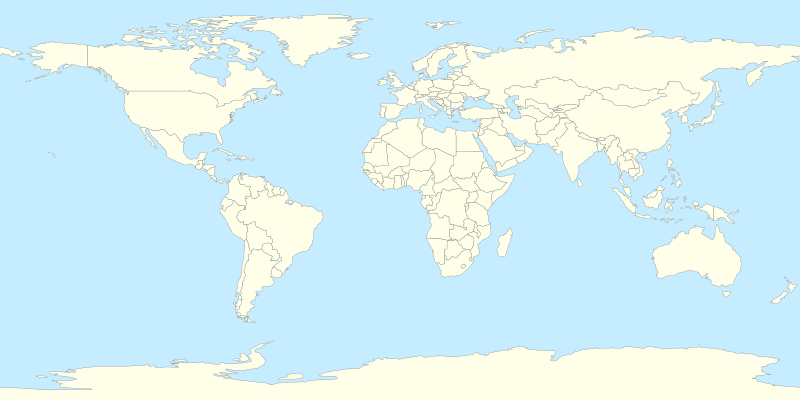 United States
India context
IndiaUnited StatesRegional countries
CanadaMexicoUnited StatesSeas & rivers
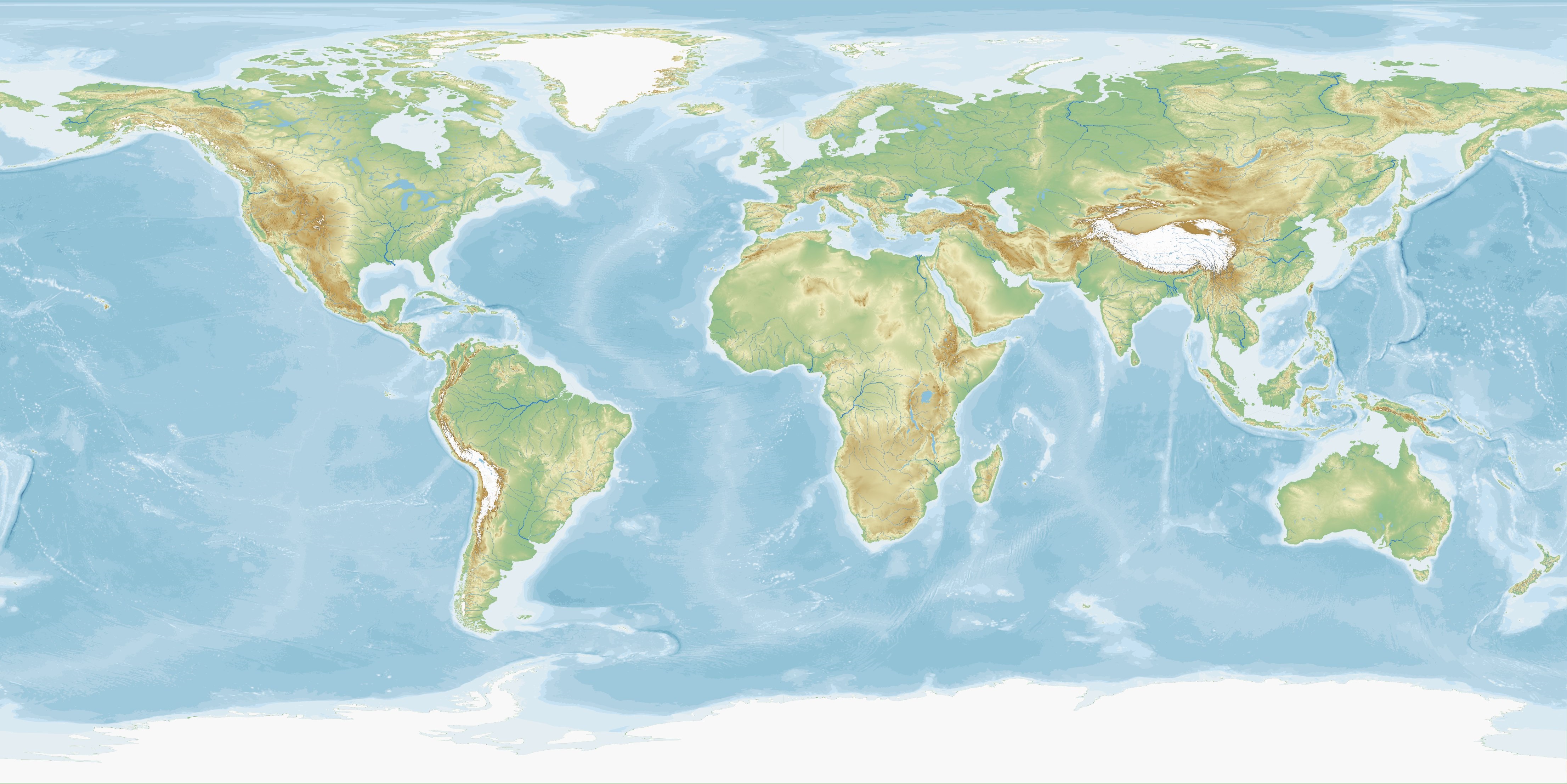 Pacific OceanAtlantic OceanUnited States
Relief / ranges
Rocky MountainsUnited StatesNearby: Canada · MexicoPhysical: Pacific Ocean · Atlantic Ocean · Rocky Mountains
📌 Why in News?
Strategy CA_CATEGORY: International Relations and Economy CA_GS: GS Paper II, GS Paper III CA_DATE: 31 August 2026 CA_IMAGE: NO India-Chile CEPA Negotiations: Copper, Lithium, Trade Diversification and India's Latin America Strategy Why in News?
- India and Chile are advancing negotiations for a Comprehensive Economic Partnership Agreement, with both sides targeting conclusion of a balanced and mutually beneficial agreement by the end of 2026.
- India-Chile CEPA negotiations began in 2025 after the two countries signed Terms of Reference.
- The proposed agreement is important for India's trade diversification and for access to mineral-rich Latin America. Top Data & Facts for UPSC
- India's exports to Chile were about US$1.2 billion in 2025-26, around 5.8% higher than the previous year.
- India's imports from Chile were about US$5 billion in 2025-26, around 93% higher than in 2024-25.
- India-Chile bilateral trade was US$3.758 billion in FY 2024-25 according to Department of Commerce data reported by the Indian Embassy in Santiago.
- India's exports to Chile were US$1.154 billion and imports were US$2.604 billion in FY 2024-25.
- Chile's Pacific coastline extends for more than 6,400 km; its unusual north-south geography gives it strong Pacific maritime orientation.
- Chile was India's seventh-largest overall trade partner in Chilean trade statistics for 2025. Chile
- Mapping Facts
- Chile is a long and narrow country on the western edge of South America, between the Andes and the Pacific Ocean.
- The Atacama Desert in northern Chile is the world's driest non-polar desert.
- Cape Horn lies at the southern end of the South American region and is historically important for maritime navigation.
- Chile borders Peru, Bolivia and Argentina; it does not share a land border with Brazil.
- The Andes form the dominant mountain system along Chile's eastern side. Why Chile Matters for Critical Minerals
- Chile is globally important in copper and lithium supply chains, making it strategically relevant to India's clean-energy and manufacturing ambitions.
- Copper is essential for electricity grids, motors, electronics, renewable-energy systems and electric vehicles.
- Lithium is a major input for lithium-ion batteries used in electric mobility and energy storage.
- India's growing demand for clean-energy technologies makes diversification of mineral suppliers an economic-security priority. CEPA
- Static Concept
- A CEPA generally goes beyond trade in goods and can include services, investment, economic cooperation and rules facilitating business.
- India already has a Preferential Trade Agreement with Chile; a CEPA would represent a deeper economic framework.
- A Preferential Trade Agreement provides tariff preferences on selected products, whereas broader agreements can cover a much larger share of economic interaction.
- Trade agreements do not automatically eliminate every tariff or regulatory barrier; their scope depends on negotiated schedules and rules. Trade Structure
- India exports products such as vehicles, pharmaceuticals, engineering goods, chemicals, textiles and other manufactured products to Latin American markets.
- Chile is an important source of mineral and resource-based imports, particularly copper-related products.
- The sharp rise in India's imports from Chile in 2025-26 illustrates how commodity prices and mineral demand can rapidly change bilateral trade values.
- A CEPA can help diversify trade but India must also expand value-added exports to avoid a relationship dominated by raw-material imports. Trade Deficit
- Analytical Point
- A bilateral trade deficit is not automatically harmful if imports consist of productive inputs needed for manufacturing, infrastructure or energy transition.
- The quality and use of imports matter as much as the headline trade balance.
- However, persistent concentration in commodity imports can expose India to price volatility and supply disruption.
- Policy should therefore combine secure access to resources with domestic processing, recycling and value addition. Latin America in India's Foreign Policy
- Latin America offers energy resources, critical minerals, agricultural products, pharmaceuticals markets and opportunities for Indian IT and manufacturing companies.
- India's engagement with the region has historically been lower than its economic potential because of distance, logistics and limited business familiarity.
- Trade agreements and stronger diplomatic-commercial networks can reduce information and market-access barriers.
- Chile can serve as an important Pacific-facing partner for India's wider Latin America strategy. Pacific Geography and Trade
- Chile's Pacific location connects it strongly with Asia-Pacific trade routes.
- Long-distance shipping remains a structural challenge for India-Chile commerce because geographic separation increases freight time and cost.
- Efficient ports, shipping connectivity and predictable customs procedures are therefore essential complements to tariff liberalisation.
- Digital trade and services can partly overcome the disadvantage of physical distance. Agriculture and SPS Measures
- Sanitary and Phytosanitary measures protect human, animal and plant health but can also become significant market-access issues in agricultural trade.
- Trade negotiations frequently involve standards, certification, traceability and mutual understanding of regulatory systems.
- India must protect legitimate health and biosecurity objectives while seeking predictable access for agricultural exports.
- Rules of origin are also necessary to ensure that preferential tariffs benefit genuine production in partner countries. Global South Dimension
- India and Chile identify as partners from the Global South and seek greater diversification of economic relationships.
- South-South cooperation can include trade, digital technologies, pharmaceuticals, renewable energy, agriculture and capacity building.
- India's growing engagement with Latin America also reduces excessive concentration of trade relationships in traditional markets.
- Strategic diversification improves resilience in a fragmented global economy. Challenges
- Large geographic distance raises logistics costs.
- Commodity-heavy trade can create volatility and an imbalanced basket.
- Indian exporters may face standards, language and market-information barriers.
- Sensitive agricultural and industrial sectors require calibrated tariff commitments rather than indiscriminate liberalisation. Way Forward
- Use CEPA to secure predictable mineral supply while encouraging joint ventures and long-term commercial partnerships.
- Expand Indian exports in pharmaceuticals, automobiles, engineering goods, digital services and value-added products.
- Improve shipping, customs cooperation, standards recognition and business-to-business links.
- Build a broader Latin America strategy combining trade agreements with mineral diplomacy, technology, development partnership and diplomatic presence. Prelims Quick Revision
- Chile lies on the Pacific coast of South America between the Andes and the ocean.
- Atacama is the world's driest non-polar desert.
- Chile borders Peru, Bolivia and Argentina.
- India-Chile CEPA negotiations began in 2025.
- India exported about US$1.2 billion to Chile and imported about US$5 billion in 2025-26.
- Chile is strategically important for copper and lithium. Probable Prelims Question Consider the following statements about Chile: It lies between the Andes and the Pacific Ocean; the Atacama Desert is located in its north; it borders Brazil; and it is an important producer in copper and lithium supply chains. Which statements are correct? Probable Mains Question India's engagement with Chile illustrates the growing intersection of trade diplomacy, critical-mineral security and South-South cooperation. Discuss the strategic significance and
challenges
of the proposed India-Chile CEPA.
🎯
Exam map
Syllabus & Relevance
Paper: GS-2
Theme: International Relations
🎯
Rapid revision
Prelims Quick Facts
Prelims facts will be updated soon.