Uttar Pradesh
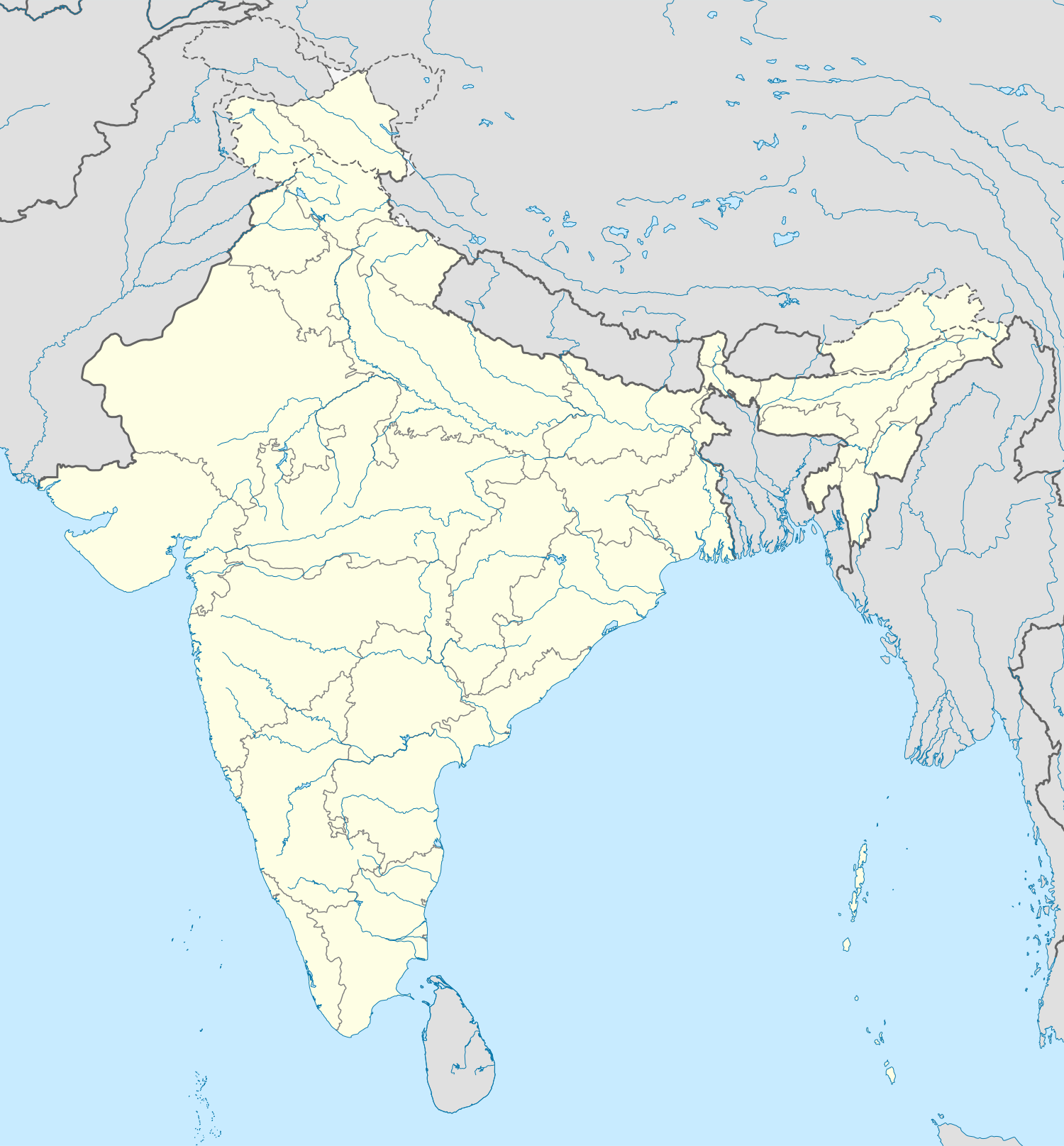 Uttar PradeshUttarakhandHaryanaRajasthanMadhya PradeshBiharUttar PradeshAgraVaranasiUttar Pradesh
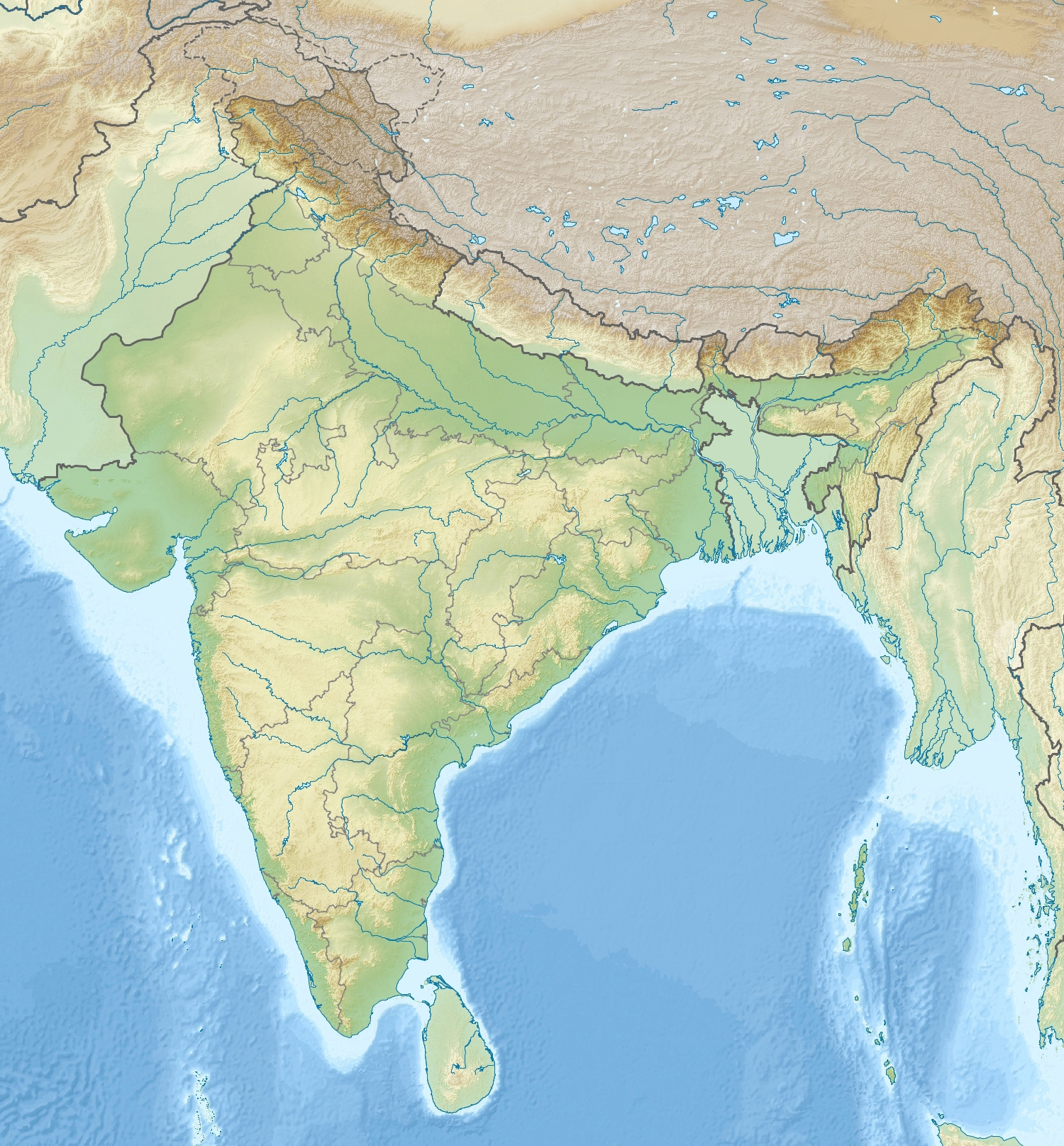 GangaYamunaUttar PradeshDudhwa NPNational Chambal SanctuaryUttar Pradesh
📌 Why in News?
The historic Parichha Dam/Weir in Jhansi, Uttar Pradesh, has been recognised by the International Commission on Irrigation and Drainage (ICID) as a World Heritage Irrigation Structure (WHIS). It will receive the WHIS Award-2026 at the 26th ICID International Congress in Marseille, France, in October 2026. Location: Jhansi, Uttar Pradesh; important for the Bundelkhand region.
Syllabus & Relevance
Prelims: Economy — institutions, terminology and factual features connected with the development.
Mains: GS-3 — contemporary application of the relevant syllabus theme.
Current–static link: Revise the underlying institution, policy or concept together with this development.
Why it matters for India
In Vanashakti vs Union of India (July 29, 2026), the Supreme Court affirmed that prior Environmental Clearance (EC) is mandatory under the EIA Notification, 2006, and rejected regularisation through the now-closed 2017 Notification and 2021 Office Memorandum.
Static Foundation
Location: Jhansi, Uttar Pradesh; important for the Bundelkhand region.
Construction: Began in 1881; operational since 1886.
Length: About 1,174 m; height around 16.8 m above riverbed.
Has 318 steel gates/shutters for regulating water flow.
Storage capacity increased from around 1,700 million cubic feet to 2,400 million cubic feet.
Forms an important part of the Betwa Canal System, supporting irrigation in drought-prone Bundelkhand.
Its reservoir also supplies water to the 920-MW Parichha Thermal Power Project.
Data, Reports, Cases & Examples
It will receive the WHIS Award-2026 at the 26th ICID International Congress in Marseille, France, in October 2026.
Construction: Began in 1881; operational since 1886.
Length: About 1,174 m; height around 16.8 m above riverbed.
Has 318 steel gates/shutters for regulating water flow.
Storage capacity increased from around 1,700 million cubic feet to 2,400 million cubic feet.
Its reservoir also supplies water to the 920-MW Parichha Thermal Power Project.
Prelims Quick Facts
The historic Parichha Dam/Weir in Jhansi, Uttar Pradesh, has been recognised by the International Commission on Irrigation and Drainage (ICID) as a World Heritage Irrigation Structure (WHIS).
It will receive the WHIS Award-2026 at the 26th ICID International Congress in Marseille, France, in October 2026.
Location: Jhansi, Uttar Pradesh; important for the Bundelkhand region.
Construction: Began in 1881; operational since 1886.
Length: About 1,174 m; height around 16.8 m above riverbed.
Has 318 steel gates/shutters for regulating water flow.
Storage capacity increased from around 1,700 million cubic feet to 2,400 million cubic feet.
Forms an important part of the Betwa Canal System, supporting irrigation in drought-prone Bundelkhand.
Mains-only layer✍️ Open Mains Perspective & Answer FrameworkClick to expand ↓
Mains Perspective
Background and key dimensions
- Length: About 1,174 m; height around 16.8 m above riverbed.
- Has 318 steel gates/shutters for regulating water flow.
- Storage capacity increased from around 1,700 million cubic feet to 2,400 million cubic feet.
- Forms an important part of the Betwa Canal System, supporting irrigation in drought-prone Bundelkhand.
- Its reservoir also supplies water to the 920-MW Parichha Thermal Power Project.
- The ICID recognises historically significant irrigation/drainage structures that demonstrate enduring engineering, agricultural and water-management value.
- WHIS is not a UNESCO World Heritage designation; it belongs to the ICID heritage-recognition programme.
- Possible MCQs may involve river–dam–state matching, the geography of Bundelkhand, and distinction between WHIS and UNESCO World Heritage Sites.
- The topic links colonial-era irrigation engineering with contemporary water security, drought mitigation and heritage conservation.
- Centre's Fiscal Outlook Faces Geopolitical and Revenue Risks
- GS III
- Economy / GS II
- Governance Fiscal Policy, Tax Reforms, and Macroeconomic Stability
- The Centre’s fiscal outlook for 2026–27 faces geopolitical and revenue pressures, with Gross Tax Revenue (GTR) growing only 3.7% in Q1.
Analytical use
- Connect the development with its institutional, policy, economic, social, environmental or security implications only where supported above.
- In a Mains answer, separate the verified development from broader evaluation and use the named evidence precisely.
Way forward
- Base recommendations on the gaps and institutional responsibilities identified in the source-grounded points.
Answer Framework
Introduction
Begin with the immediate development and identify the central institution or policy issue.
Body
- Explain the relevant static concept.
- Present the principal source-backed facts.
- Analyse significance for India and the syllabus theme.
- Discuss supported challenges or implementation gaps.
- Use one named law, report, institution, date or example from the evidence box.
Conclusion
End with a balanced, institutionally feasible way forward without making claims beyond the available evidence.
Possible Mains Question
Examine the significance of “Indian Geography + Environment & Ecology + History & Culture”. Discuss its key implications and the way forward.