Map focus
10.57°, 72.64° · maps only where geography mattersLakshadweep
CountryIndia→StateLakshadweep
India locator
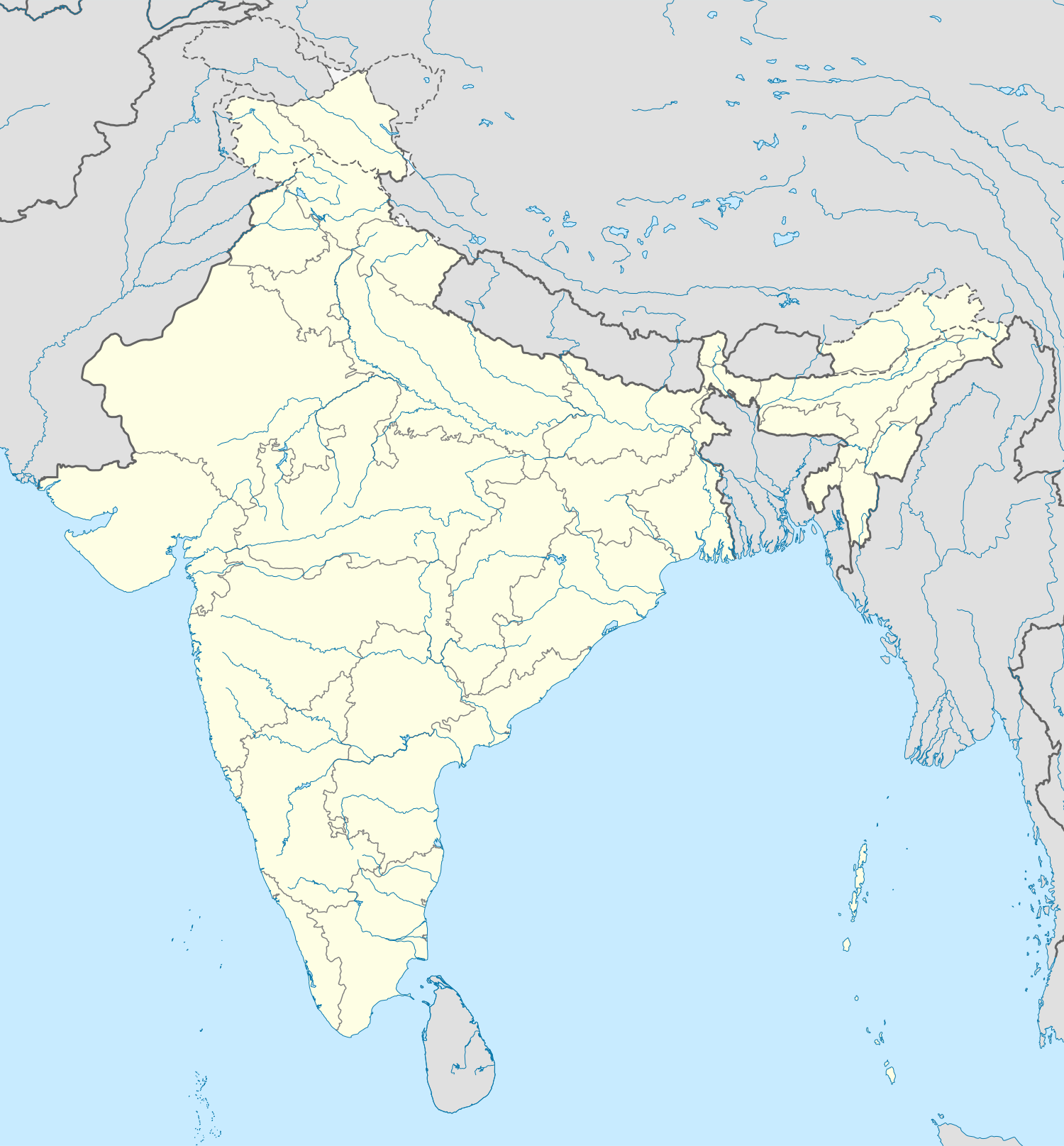 Lakshadweep
Regional places
KavarattiMinicoyLakshadweepRivers & relief
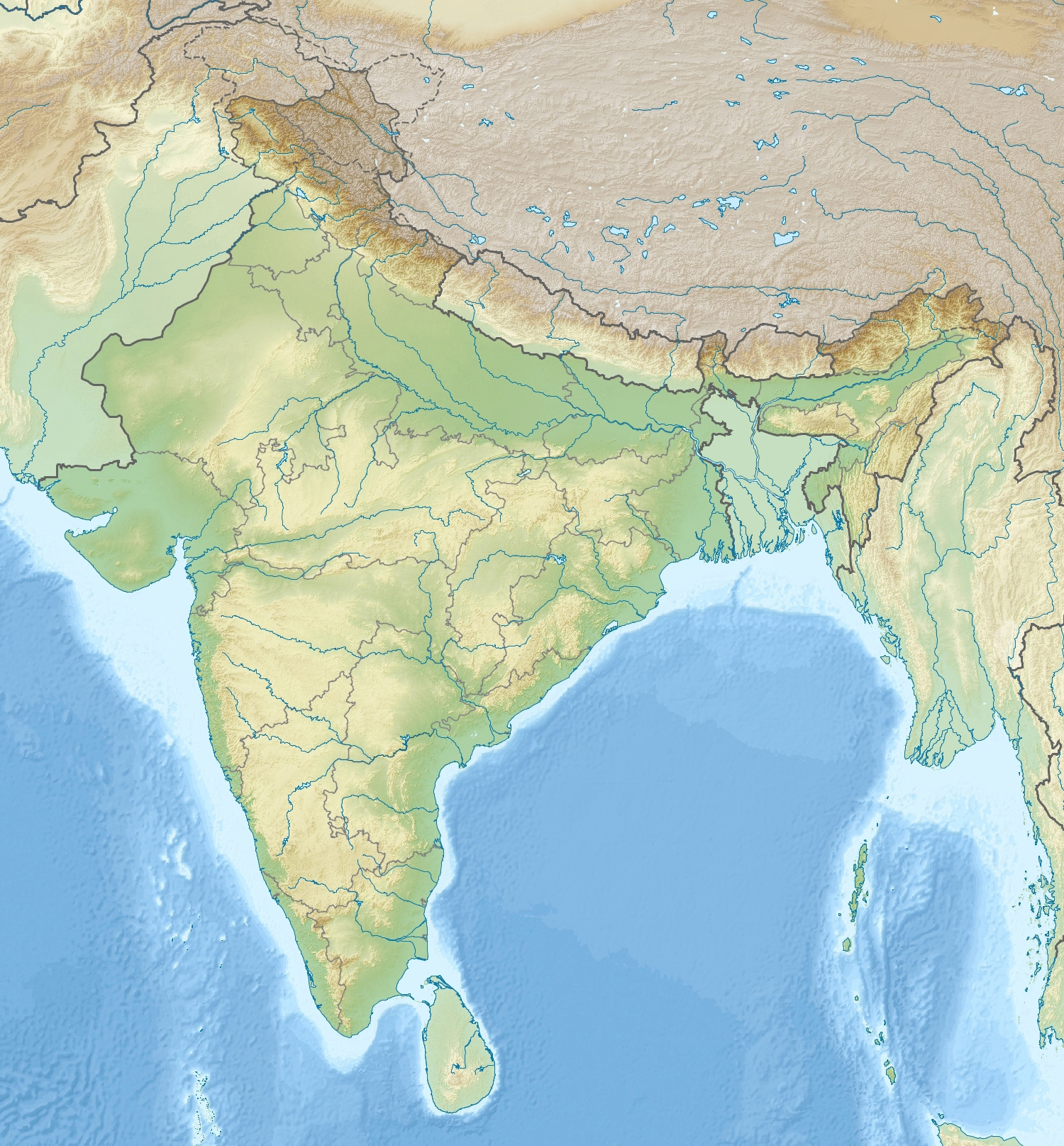 Arabian SeaNine Degree ChannelLakshadweep
NP / WLS nearby
Pitti Bird SanctuaryLakshadweepNearby: Kavaratti · MinicoyPhysical: Arabian Sea · Nine Degree ChannelProtected: Pitti Bird Sanctuary
📌 Why in News?
₹73,890 Crore Exports and Island Fisheries CA_CATEGORY: Economy, Environment and Blue Economy CA_GS: GS Paper II, GS Paper III CA_DATE: 31 August 2026 CA_IMAGE: **NO Mission **Rangeen Machhli 2031 and Lakshadweep Blue Economy: 197.75 Lakh Tonne Fish Output, ₹73,890 Crore Exports and Island Fisheries Why in News?
- The Vice-President released Mission Rangeen Machhli 2031, a Strategic Action Plan for ornamental fisheries development, at Agatti in Lakshadweep on 31 August 2026.
- The programme focuses on high-value island resources including tuna, seaweed and ornamental fisheries while emphasising sustainability, cooperatives and Fisheries Farmer Producer Organisations.
- More than ₹62 crore of fisheries-development projects have been approved for Lakshadweep under the Pradhan Mantri Matsya Sampada Yojana, making the island dimension central to the current Blue Economy push. India's Fisheries Transformation
- Data Throughout
- India's fish production rose from 95.7 lakh tonnes in 2013-14 to 197.75 lakh tonnes in 2024-25, an increase of more than 100% in roughly a decade.
- Seafood exports reached a record ₹73,890 crore in 2025-26; in dollar terms, exports were around US$8.46 billion compared with US$3.64 billion in 2013-14.
- The Union Budget 2026-27 allocated ₹2,761.80 crore to fisheries under Blue Revolution-related initiatives.
- PMMSY received ₹2,500 crore in the Union Budget 2026-27.
- As of early 2026, insurance coverage had reached about 33 lakh beneficiaries in the fisheries sector. Mission Rangeen Machhli 2031
- Mission Rangeen Machhli 2031 is a strategic action plan focused on ornamental fisheries, a high-value segment involving colourful aquarium species rather than bulk food-fish production alone.
- Ornamental fisheries can generate high value from relatively small volumes, making them relevant to island and coastal livelihoods when collection and breeding are sustainable.
- The mission can support breeding, hatcheries, quality standards, quarantine, logistics, branding and market linkages.
- Because wild ornamental collection can damage reefs if unmanaged, captive breeding and science-based harvest limits are essential. Lakshadweep
- Geography for Prelims
- Lakshadweep is an archipelago in the Arabian Sea consisting predominantly of coral islands, reefs and atolls.
- Agatti is one of the inhabited islands and has an airport, making it a key connectivity point for the archipelago.
- Lakshadweep's fragile coral ecosystems make carrying capacity, waste management, freshwater availability and reef protection central to development planning.
- The islands lie off India's south-western coast; they should not be confused with the Andaman and Nicobar Islands in the Bay of Bengal. Tuna Economy
- Oceanic tuna are high-value pelagic fish with strong domestic and export-market potential.
- Lakshadweep's location gives access to rich tuna resources, but value realisation depends on onboard handling, ice, cold chains, processing, certification and export logistics.
- Pole-and-line and other selective fishing methods can have different ecological footprints from indiscriminate fishing gear.
- Moving from raw catch to chilled, processed and branded tuna can increase fisher income without requiring proportionate increases in harvest volume. Seaweed Economy
- Seaweed can be used in food, hydrocolloids, pharmaceuticals, cosmetics, fertiliser, animal feed and emerging biomaterials.
- Seaweed farming can create coastal livelihoods, especially for women, but ecological suitability and native-species considerations are essential.
- Poorly planned expansion can alter local ecosystems or create conflicts over coastal space.
- Blue-economy policy should therefore assess carrying capacity, water quality and biodiversity before scaling production. Ornamental Fisheries and Biodiversity
- Coral-reef ecosystems contain visually attractive fish and invertebrates sought by aquarium markets.
- Unregulated capture can damage populations and reefs, particularly when destructive collection methods are used.
- Captive breeding reduces pressure on wild stocks and creates traceable commercial supply chains.
- Mission Rangeen Machhli should therefore be judged not only by export value but by the share of production coming from sustainable breeding systems. PMMSY
- Infrastructure Numbers
- As of April 2026, 28,489 fish transportation and handling units had been approved under PMMSY-related interventions.
- Approved market infrastructure included 1,394 live-fish vending units, 6,018 fish kiosks and 117 fish retail markets.
- Cold-chain approvals included 775 cold storages and ice plants along with 24 wholesale fish markets.
- These figures show why fisheries policy is not only about increasing catch; post-harvest infrastructure determines spoilage, quality and fisher realisation. Credit and Social Protection
- About 6.83 lakh Kisan Credit Card applications were received for fisheries, 6.77 lakh were accepted and around 4.82 lakh were sanctioned as of early 2026.
- KCC benefits had reached approximately 4.39 lakh fishers.
- Insurance coverage extended to about 33 lakh beneficiaries, while an average of 7.44 lakh fisher families received livelihood assistance during lean fishing periods.
- These numbers connect Blue Economy policy with financial inclusion and social protection rather than treating fishers only as resource extractors. Exclusive Economic Zone
- Under the UN Convention on the Law of the Sea, a coastal state generally has sovereign rights for exploring, exploiting, conserving and managing natural resources in its Exclusive Economic Zone up to 200 nautical miles from baselines.
- India's large maritime zones create opportunities for offshore fisheries but also require surveillance, scientific stock assessment and enforcement.
- The Sustainable Harnessing of Fisheries in the Exclusive Economic Zone Rules, 2025 and High Seas guidelines provide a newer regulatory framework for offshore fishing.
- EEZ rights are resource-related sovereign rights; an EEZ is not legally identical to territorial sea. Territorial Sea vs EEZ
- India's territorial sea extends up to 12 nautical miles from the baseline, where sovereignty is much broader subject to international-law rules such as innocent passage.
- The contiguous zone extends up to 24 nautical miles, while the EEZ can extend up to 200 nautical miles.
- These maritime-zone figures are recurring UPSC Prelims facts and are directly relevant to fisheries governance.
- High seas lie beyond national jurisdictional zones and require international cooperation for sustainable fishing. Blue Economy
- The Blue Economy means sustainable use of ocean resources for economic growth, livelihoods and jobs while preserving ocean ecosystem health.
- It includes fisheries, aquaculture, shipping, ports, offshore energy, tourism, marine biotechnology and ecosystem services.
- A narrow focus on extraction can undermine the resource base on which long-term coastal prosperity depends.
- Island Blue Economy policy therefore requires simultaneous investment in livelihoods, conservation, connectivity and climate resilience. Climate Risk to Islands
- Coral islands are vulnerable to sea-level rise, coastal erosion, storm surges, coral bleaching and saltwater intrusion into freshwater systems.
- Ocean warming can shift fish distribution and affect reef productivity.
- Climate-resilient jetties, cold chains and coastal infrastructure must be designed for island conditions rather than copied from mainland projects.
- Healthy coral reefs themselves provide natural coastal protection, making biodiversity conservation an economic asset. Fisheries and Food Security
- Fish provides high-quality protein and important micronutrients, contributing to nutrition security.
- Rapid output growth from 95.7 lakh tonnes to 197.75 lakh tonnes expands supply but must be assessed alongside stock health and aquaculture sustainability.
- Aquaculture can reduce pressure on wild capture fisheries, but disease, feed, water pollution and antibiotic misuse require regulation.
- Future productivity gains should come increasingly from better seed, feed, disease management, post-harvest systems and value addition rather than indiscriminate fishing effort. Way Forward
- Develop Lakshadweep tuna value chains around cold storage, quality certification, selective fishing and high-value processing.
- Scale ornamental-fish captive breeding so Mission Rangeen Machhli 2031 does not create additional pressure on coral-reef biodiversity.
- Use PMMSY infrastructure to reduce post-harvest losses and improve fisher price realisation.
- Expand KCC, insurance and cooperative/FPO coverage while ensuring women-led enterprises gain access to processing and marketing opportunities.
- Base EEZ fishing licences and access passes on scientific stock assessment, vessel monitoring and enforceable sustainability standards. Prelims Quick Revision
- Mission Rangeen Machhli 2031 released at Agatti, Lakshadweep on 31 August 2026.
- Fish production: 95.7 lakh tonnes in 2013-14 → 197.75 lakh tonnes in 2024-25.
- Seafood exports: record ₹73,890 crore in 2025-26; about US$8.46 billion.
- Lakshadweep fisheries projects under PMMSY: over ₹62 crore.
- PMMSY Budget 2026-27 allocation: ₹2,500 crore; overall fisheries allocation: ₹2,761.80 crore.
- Territorial sea = 12 nautical miles; contiguous zone = 24 nautical miles; EEZ = up to 200 nautical miles. Probable Prelims Question With reference to India's maritime zones, consider the following statements: territorial sea extends up to 12 nautical miles; contiguous zone up to 24 nautical miles; and the EEZ may extend up to 200 nautical miles from baselines. Which statements are correct? Probable Mains Question Lakshadweep's fisheries potential can generate high-value livelihoods only if economic expansion remains within the ecological limits of a coral-island system. Discuss with reference to Mission Rangeen Machhli 2031, tuna, seaweed and India's Blue Economy strategy.
🎯
Exam map
Syllabus & Relevance
Paper: GS-3
Theme: Environment
🎯
Rapid revision
Prelims Quick Facts
Prelims facts will be updated soon.