Map focus
31.10°, 77.17° · maps only where geography mattersHimachal Pradesh
CountryIndia→StateHimachal Pradesh
India locator
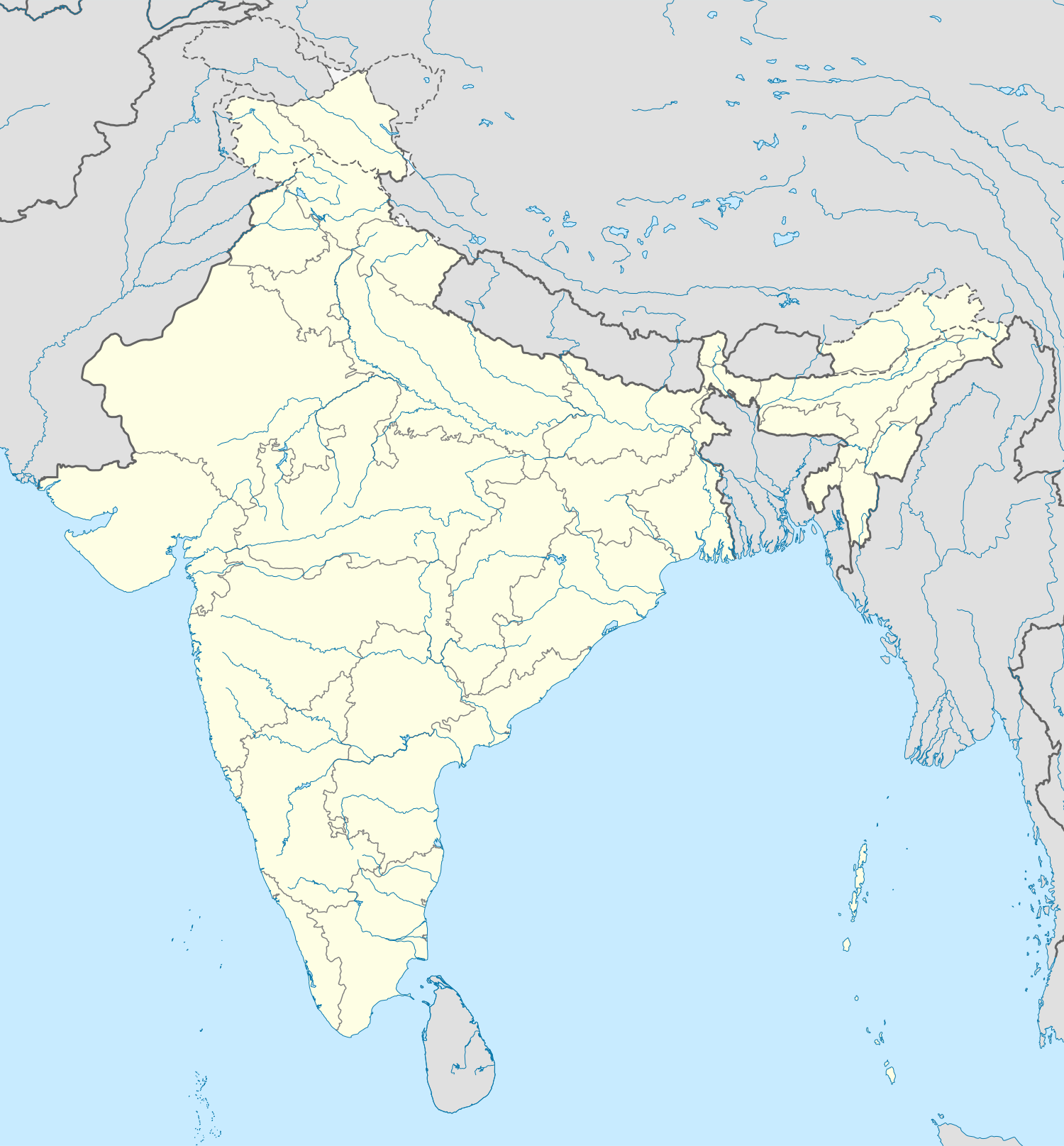 Himachal Pradesh
Nearby states
PunjabHaryanaUttarakhandHimachal PradeshRegional places
ShimlaDharamshalaHimachal PradeshRivers & relief
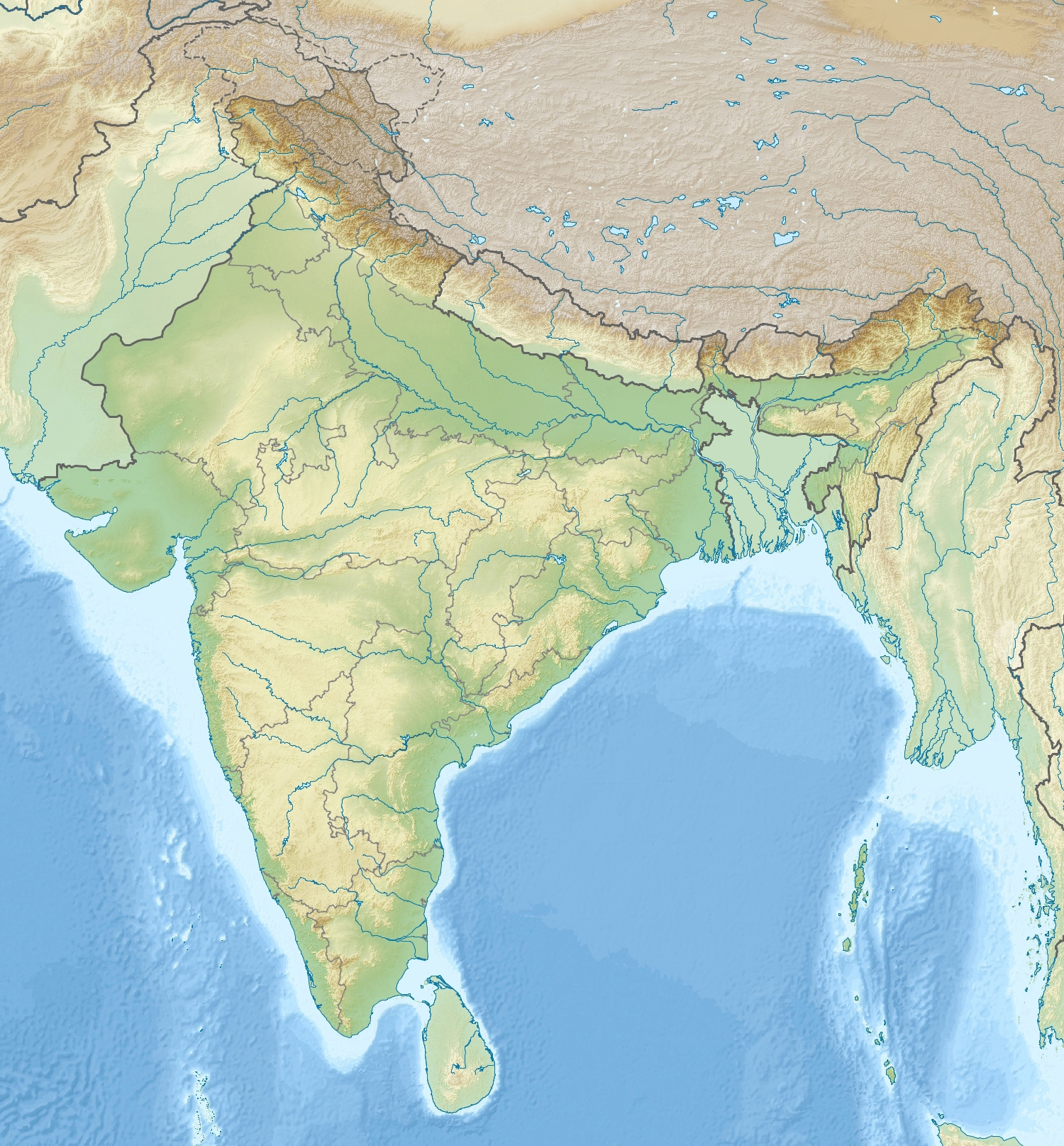 SutlejDhauladharHimachal Pradesh
NP / WLS nearby
Great Himalayan NPKibber WLSHimachal PradeshStates: Punjab · Haryana · UttarakhandNearby: Shimla · DharamshalaPhysical: Sutlej · DhauladharProtected: Great Himalayan NP · Kibber WLS
📌 Why in News?
for Livestock Biosecurity CA_CATEGORY: Agriculture, Health and Economy CA_GS: GS Paper II, GS Paper III CA_DATE: 31 August 2026 CA_IMAGE: NO National Animal Disease Control Programme: 147.16 Crore FMD Vaccine Doses and the One Health Case for Livestock Biosecurity Why in News?
- NADCP, launched in 2019, has administered 147.16 crore Foot and Mouth Disease vaccine doses and benefited 8.04 crore farmers.
- Reported FMD outbreaks declined from 132 in 2019 to 40 in 2025, while reported Brucellosis outbreaks fell from 22 to 15.
- FMD NSP antibody prevalence declined from 20.8% in 2019 to 8.1% in 2025, providing a surveillance indicator of reduced viral circulation. FMD
- Disease Facts
- Foot and Mouth Disease is a highly contagious viral disease of cloven-hoofed animals such as cattle, buffalo, sheep, goats and pigs.
- FMD severely reduces milk yield, weight gain and draught productivity even when mortality in adult animals is limited.
- FMD type O is the most common and widespread serotype in India; type A is highly variable.
- No outbreak caused by serotype Asia-1 had been reported in India for the preceding three years according to the 2026 programme review. Brucellosis
- One Health Link
- Brucellosis is a bacterial zoonotic disease that affects livestock reproduction and can infect humans.
- Human infection can occur through contact with infected animals or consumption of unpasteurised animal products.
- Control therefore protects both farm productivity and public health, illustrating the One Health approach linking human, animal and environmental health.
- Vaccination, surveillance, testing and safe animal-handling practices are complementary tools. Economic Significance
- India has one of the world's largest livestock populations, so disease outbreaks can generate large aggregate losses even when losses per animal appear modest.
- Reduced milk yield affects household income and dairy supply chains; reproductive disease lowers herd productivity over multiple years.
- 8.04 crore farmers benefiting from vaccination demonstrates the direct livelihood scale of animal-health policy.
- Better disease status can also improve prospects for exports of animal products by meeting sanitary requirements. Pastoral and Migratory Animals
- Since 2024, FMD vaccination has been extended to pastoral sheep and goats in migratory populations.
- Coverage includes Haryana, Himachal Pradesh, Uttarakhand, Jammu & Kashmir and Ladakh along important migratory routes.
- Mobile herds can cross administrative boundaries, making vaccination gaps in one region a risk to others.
- Disease control therefore requires inter-State coordination and movement-aware surveillance. Surveillance and NSP Antibodies
- NSP antibody prevalence declined from 20.8% to 8.1% between 2019 and 2025.
- Non-structural-protein antibody surveillance can help distinguish evidence of infection from responses associated with certain purified vaccines.
- Falling prevalence strengthens evidence that vaccination is being accompanied by lower virus circulation.
- Surveillance is necessary because vaccination numbers alone cannot prove disease control. One Health Governance
- One Health recognises that animal disease, human health, wildlife and ecosystems are interconnected.
- Brucellosis, avian influenza, rabies and other zoonoses demonstrate why veterinary and human-health surveillance cannot operate in isolation.
- Laboratory networks, data sharing and rapid reporting are essential for early detection.
- Antimicrobial stewardship is also relevant because indiscriminate antibiotic use in livestock can contribute to antimicrobial resistance. Way Forward
- Maintain high vaccination coverage and timely booster cycles rather than treating 147.16 crore doses as a completed task.
- Strengthen animal identification and digital vaccination records for traceability.
- Expand laboratory surveillance in border and migratory-animal corridors.
- Integrate veterinary, wildlife and public-health data under One Health frameworks.
- Use disease-free zones and credible certification to support livestock exports. Prelims Quick Revision
- NADCP launched in 2019.
- FMD vaccine doses: 147.16 crore; farmers benefited: 8.04 crore.
- FMD outbreaks: 132 in 2019 → 40 in 2025.
- Brucellosis outbreaks: 22 → 15.
- NSP antibody prevalence: 20.8% → 8.1%.
- FMD affects cloven-hoofed animals; Brucellosis is zoonotic. Probable Mains Question Livestock disease control is simultaneously a farm-income, trade and public-health intervention. Analyse NADCP through the One Health framework using recent vaccination and outbreak data.
🎯
Exam map
Syllabus & Relevance
Paper: GS-3
Theme: Economy
🎯
Rapid revision
Prelims Quick Facts
Prelims facts will be updated soon.