Mumbai
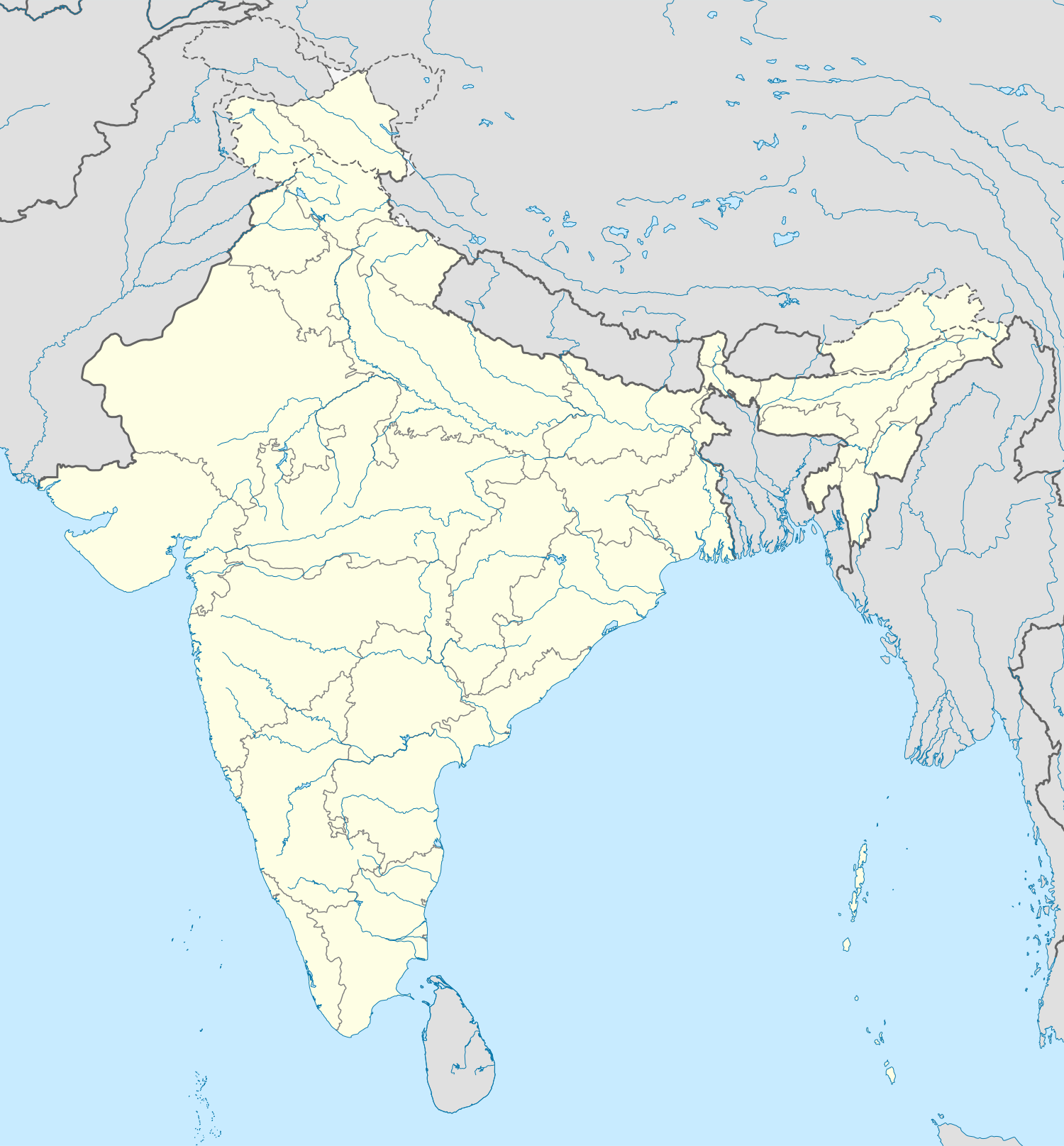 MumbaiGujaratMadhya PradeshKarnatakaGoaMumbaiAjanta CavesEllora CavesMumbai
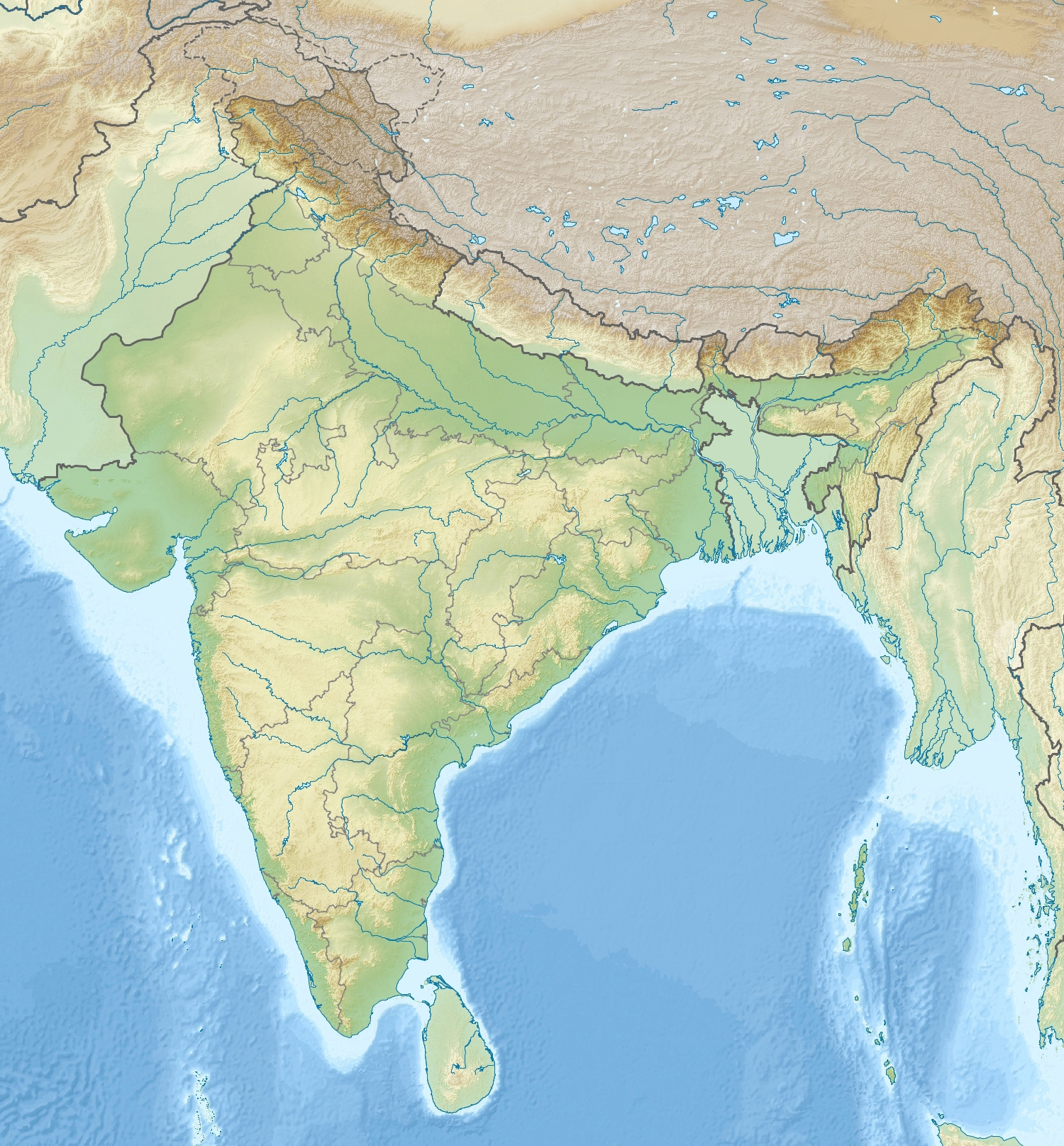 Western GhatsGodavariMumbaiSanjay Gandhi NPTadoba-Andhari TRMumbai
📌 Why in News?
On 18 February 1946, sailors of the Royal Indian Navy (RIN) launched a mutiny across multiple ships and shore establishments in Bombay, protesting against poor service conditions, racial discrimination, and British colonial rule. The revolt rapidly spread to Karachi, Madras, and Calcutta, involving over 1,100 sailors and paralyzing key naval bases. The British response, marked by arrests and repression, failed to quell the uprising, which instead galvanized anti-colonial sentiment nationwide, accelerating the push for India’s independence.
Syllabus & Relevance
Prelims: Royal Indian Navy, 1946 mutiny, constitutional developments
GS-3: Role of armed forces in India’s freedom struggle, post-WWII political changes
Static Linkage: Indian National Army (INA) trials, **Cabinet Mission **Plan (1946), Mountbatten Plan (1947)
Why it matters for India
The mutiny demonstrated the growing unrest among India’s armed forces against British rule, undermining the colonial administration’s authority.
It contributed to the Cabinet Mission Plan (1946) and Mountbatten Plan (1947), shaping the timeline of India’s partition.
The event also highlighted the role of non-violent mass movements in hastening decolonization.
Static Foundation
The Royal Indian Navy (RIN) was established in 1934, with British officers commanding Indian sailors.
The Indian Independence Act, 1947 granted India dominion status and partitioned it into India and Pakistan.
The Cabinet Mission Plan (1946) proposed a united India with autonomy for provinces.
The Mountbatten Plan (June 1947) accelerated partition due to communal violence and political deadlock.
The INA trials (1945-46) had already fueled anti-British sentiment among soldiers.
The Royal Indian Air Force (RIAF) and Royal Indian Army also witnessed unrest post-WWII.
Data, Reports, Cases & Examples
The mutiny involved over 1,100 sailors across 78 ships and shore establishments in Bombay, Karachi, Madras, and Calcutta.
The revolt began on 18 February 1946 aboard the HMIS Talwar in Bombay, spreading within 48 hours.
The Bombay Dockyard Workers’ Union and Congress Socialist Party provided logistical support to the mutineers.
The British deployed Royal Marines and arrested over 2,000 sailors, but protests persisted in solidarity.
The mutiny coincided with the Cabinet Mission’s visit (March 1946) to India, influencing its recommendations.
The Royal Indian Navy’s strength in 1946 was ~25,000 sailors, with only 10% holding officer ranks (all British).
Prelims Quick Facts
The 1946 Royal Indian Navy mutiny began on 18 February 1946 aboard HMIS Talwar in Bombay.
The mutiny spread to Karachi, Madras, and Calcutta, involving over 1,100 sailors.
Key demands included better pay, food, and an end to racial discrimination in the RIN.
The British response included arrests, court-martials, and repression, but failed to suppress the revolt.
The mutiny occurred during the Cabinet Mission’s visit (March 1946) to India.
The Indian Independence Act, 1947 was influenced by the post-mutiny political climate.
The INA trials (1945-46) had already fueled anti-British sentiment among soldiers.
The mutiny is often compared to the 1857 Revolt for its impact on British rule in India.
Mains-only layer✍️ Open Mains Perspective & Answer FrameworkClick to expand ↓
Mains Perspective
Background:
The 1946 Royal Indian Navy (RIN) Mutiny was a spontaneous uprising by Indian sailors against British colonial rule, racial discrimination, and poor service conditions. It began on 18 February 1946 aboard HMIS Talwar in Bombay and rapidly spread to Karachi, Madras, and Calcutta, involving over 1,100 sailors. The mutiny lacked a centralized leadership but drew support from dockworkers, socialist groups, and the broader public. The British response—marked by arrests, repression, and court-martials—failed to quell the revolt, instead fueling nationwide anti-colonial sentiment.
Significance:
The mutiny is significant for three reasons:
-
Undermined British Authority: The revolt exposed the vulnerability of British rule, as even the armed forces—long considered loyal—joined the independence struggle.
-
Accelerated Constitutional Reforms: The mutiny coincided with the Cabinet Mission Plan (1946), which proposed a united India with provincial autonomy, and the Mountbatten Plan (1947), which partitioned the country.
-
Symbol of Mass Mobilization: Unlike earlier elite-led movements, the mutiny was a sailors’ uprising, demonstrating the power of grassroots resistance.
India-specific Implications:
For India, the mutiny had direct implications:
- Political: It reinforced the Congress’s demand for immediate independence, as the British could no longer rely on the loyalty of Indian armed forces.
- Social: The revolt highlighted the racial hierarchy in the RIN, where Indian sailors were paid less and subjected to discriminatory practices.
- Strategic: The mutiny’s suppression led to reforms in the Indian Navy, including the induction of Indian officers and the eventual Indianisation of the armed forces post-independence.
Challenges and Criticisms:
The mutiny faced criticism for its lack of a unified leadership and clear political objectives. Some historians argue that:
- The revolt was spontaneous and uncoordinated, limiting its long-term impact.
- The British exaggerated the threat to justify harsher crackdowns, including the arrest of over 2,000 sailors.
- The mutiny’s legacy is often overshadowed by the INA trials and Quit India Movement, despite its role in hastening independence.
Way Forward:
The 1946 RIN mutiny serves as a reminder of the power of mass movements in shaping political outcomes. For contemporary India, it underscores the importance of:
- Inclusivity in governance, ensuring that marginalized groups (e.g., armed forces personnel) have avenues for grievance redressal.
- Historical preservation, as the mutiny remains understudied compared to other freedom struggle events.
- Lessons for civil-military relations, particularly in ensuring that armed forces remain apolitical while addressing legitimate grievances.
Answer Framework
The 1946 Royal Indian Navy (RIN) mutiny was a pivotal moment in India’s freedom struggle, beginning on 18 February 1946 aboard HMIS Talwar in Bombay. The revolt, involving over 1,100 sailors, spread to Karachi, Madras, and Calcutta, protesting racial discrimination, poor service conditions, and British colonial rule. Unlike earlier movements, it was a grassroots uprising by armed forces personnel, demonstrating the erosion of British authority. The mutiny’s timing—coinciding with the Cabinet Mission’s visit (March 1946)—influenced constitutional reforms, accelerating the Mountbatten Plan (1947) and India’s partition. While lacking centralized leadership, the revolt symbolized the power of mass mobilization, forcing the British to reckon with the unsustainability of their rule. For UPSC aspirants, the mutiny highlights the interconnectedness of armed forces unrest and political change, a theme relevant to modern civil-military relations and constitutional developments.
Possible Mains Question
Critically examine the role of the 1946 Royal Indian Navy mutiny in hastening India’s independence. How did it influence constitutional reforms and the broader freedom struggle?