Odisha
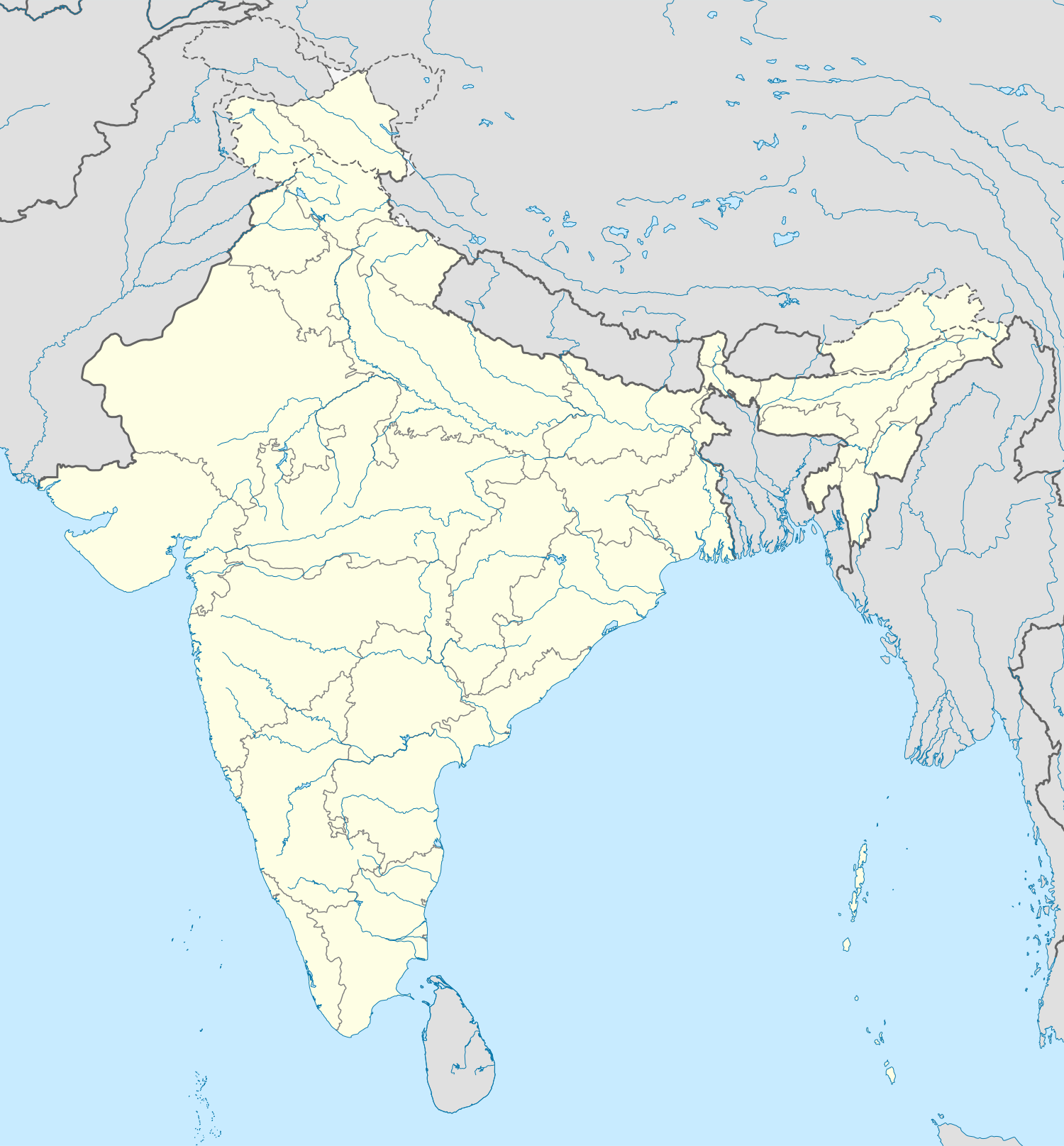 OdishaWest BengalJharkhandChhattisgarhAndhra PradeshOdishaKonarkPuriOdisha
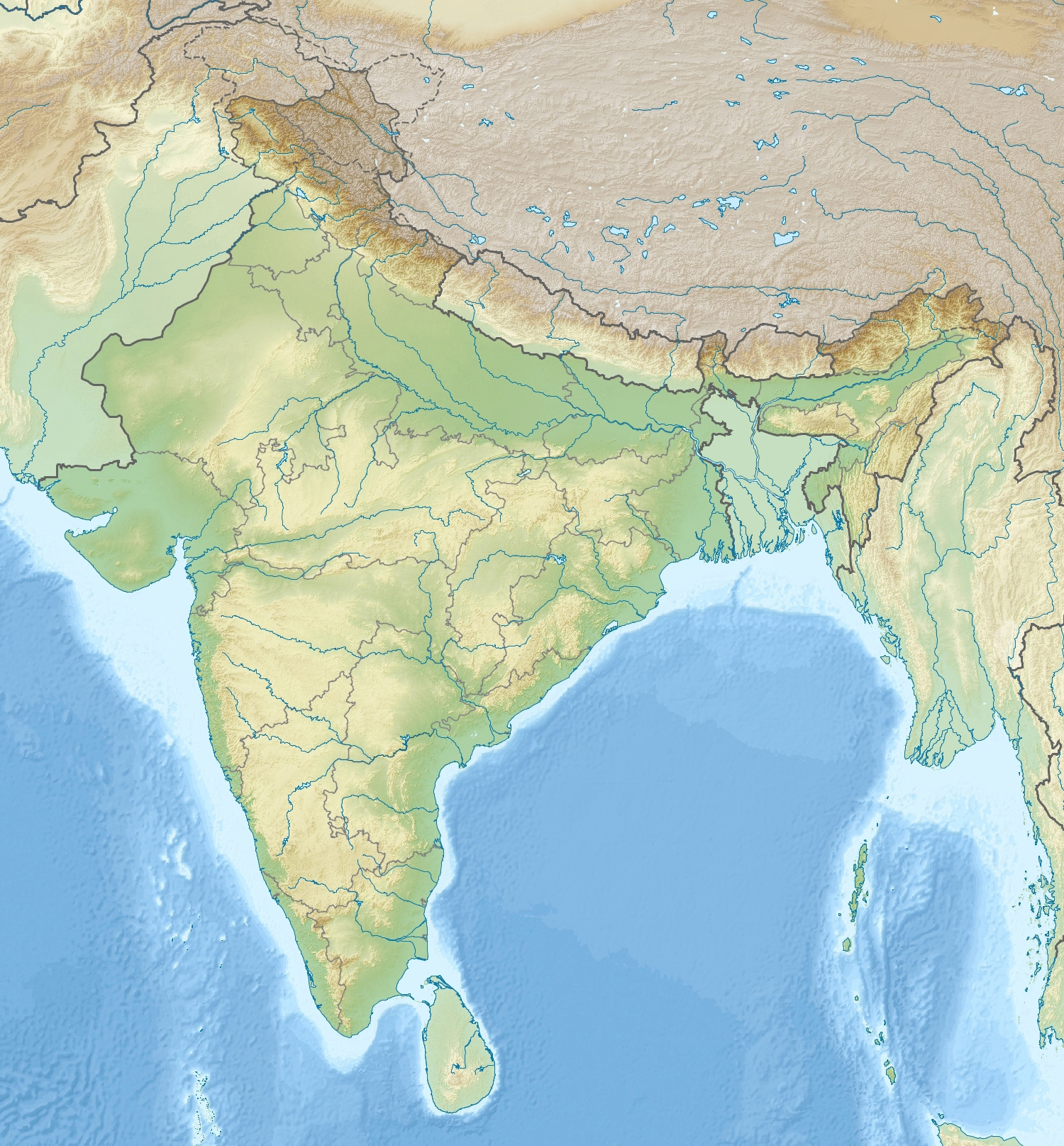 MahanadiChilika LakeOdishaSimilipal NPBhitarkanika NPOdisha
📌 Why in News?
Union Minister for Ports, Shipping and Waterways said that about 28% of Odisha’s 564-km coastline is undergoing erosion. This is based on a study by the National Centre for Coastal Research (NCCR), which carried out a comprehensive assessment and mapping of shoreline change analysis along the Odisha coast for the period 1990-2022. The NCCR monitors long-term shoreline changes across the Indian coastline.
Syllabus & Relevance
Prelims: Environment — institutions, terminology and factual features connected with the development.
Mains: GS-3 — contemporary application of the relevant syllabus theme.
Current–static link: Revise the underlying institution, policy or concept together with this development.
Why it matters for India
The NCCR monitors long-term shoreline changes across the Indian coastline.
The National Centre for Coastal Research, (NCCR) under the Ministry of Earth Sciences has monitored the shoreline changes for the entire Indian coastline for the period 1990-2018.
It is observed that 33.6% of the Indian coastline was vulnerable to erosion, 26.9% was under accretion (growing) and 39.6% was in stable state.
Static Foundation
The NCCR monitors long-term shoreline changes across the Indian coastline.
Approximately 28.3% of the coastline is undergoing erosion, 17.6% remains stable, and 54.1% is experiencing accretion or growth.
Coastal erosion is the process by which local sea level rise, strong wave action, and coastal flooding wear down or carry away rocks, soils, and/or sands along the coast.
The National Centre for Coastal Research, (NCCR) under the Ministry of Earth Sciences has monitored the shoreline changes for the entire Indian coastline for the period 1990-2018.
It is observed that 33.6% of the Indian coastline was vulnerable to erosion, 26.9% was under accretion (growing) and 39.6% was in stable state.
Impact: The erosion poses severe threats to livelihoods, particularly for fishing communities dependent on coastal stability.
Infrastructure such as roads, housing and ports faces significant damage, while biodiversity hotspots, including estuaries and mangroves, are at risk of collapse.
Data, Reports, Cases & Examples
Union Minister for Ports, Shipping and Waterways said that about 28% of Odisha’s 564-km coastline is undergoing erosion.
This is based on a study by the National Centre for Coastal Research (NCCR), which carried out a comprehensive assessment and mapping of shoreline change analysis along the Odisha coast for the period 1990-2022.
Approximately 28.3% of the coastline is undergoing erosion, 17.6% remains stable, and 54.1% is experiencing accretion or growth.
The National Centre for Coastal Research, (NCCR) under the Ministry of Earth Sciences has monitored the shoreline changes for the entire Indian coastline for the period 1990-2018.
It is observed that 33.6% of the Indian coastline was vulnerable to erosion, 26.9% was under accretion (growing) and 39.6% was in stable state.
The Ministry of Environment, Forest & Climate Change has delineated the hazard line for the entire coast of the country.
Prelims Quick Facts
Union Minister for Ports, Shipping and Waterways said that about 28% of Odisha’s 564-km coastline is undergoing erosion.
This is based on a study by the National Centre for Coastal Research (NCCR), which carried out a comprehensive assessment and mapping of shoreline change analysis along the Odisha coast for the period 1990-2022.
The NCCR monitors long-term shoreline changes across the Indian coastline.
Approximately 28.3% of the coastline is undergoing erosion, 17.6% remains stable, and 54.1% is experiencing accretion or growth.
Coastal erosion is the process by which local sea level rise, strong wave action, and coastal flooding wear down or carry away rocks, soils, and/or sands along the coast.
The National Centre for Coastal Research, (NCCR) under the Ministry of Earth Sciences has monitored the shoreline changes for the entire Indian coastline for the period 1990-2018.
It is observed that 33.6% of the Indian coastline was vulnerable to erosion, 26.9% was under accretion (growing) and 39.6% was in stable state.
Impact: The erosion poses severe threats to livelihoods, particularly for fishing communities dependent on coastal stability.
Mains-only layer✍️ Open Mains Perspective & Answer FrameworkClick to expand ↓
Mains Perspective
Background and key dimensions
- Coastal erosion is the process by which local sea level rise, strong wave action, and coastal flooding wear down or carry away rocks, soils, and/or sands along the coast.
- The National Centre for Coastal Research, (NCCR) under the Ministry of Earth Sciences has monitored the shoreline changes for the entire Indian coastline for the period 1990-2018.
- It is observed that 33.6% of the Indian coastline was vulnerable to erosion, 26.9% was under accretion (growing) and 39.6% was in stable state.
- Impact: The erosion poses severe threats to livelihoods, particularly for fishing communities dependent on coastal stability.
- Infrastructure such as roads, housing and ports faces significant damage, while biodiversity hotspots, including estuaries and mangroves, are at risk of collapse.
- Factors Responsible: Rising Sea Levels: Driven by climate change, higher sea levels amplify storm surges and coastal flooding.
- Sand mining and Infrastructure Projects: Unregulated sand extraction and construction of ports, seawalls, and breakwaters disrupt sediment flow, accelerating erosion in vulnerable areas.
- Mangrove Depletion: The loss of natural barriers like mangroves leaves the coastline exposed to wave action.
- Steps Taken by Government to in Combating Sea Erosion
- The Ministry of Environment, Forest & Climate Change has delineated the hazard line for the entire coast of the country.
- The hazard line is indicative of the shoreline changes, including sea level rise due to climate change.
- This line is to be used by agencies in Coastal States as a tool for Disaster Management including planning of adaptive and mitigation measures.
Analytical use
- Connect the development with its institutional, policy, economic, social, environmental or security implications only where supported above.
- In a Mains answer, separate the verified development from broader evaluation and use the named evidence precisely.
Way forward
- Base recommendations on the gaps and institutional responsibilities identified in the source-grounded points.
Answer Framework
Introduction
Begin with the immediate development and identify the central institution or policy issue.
Body
- Explain the relevant static concept.
- Present the principal source-backed facts.
- Analyse significance for India and the syllabus theme.
- Discuss supported challenges or implementation gaps.
- Use one named law, report, institution, date or example from the evidence box.
Conclusion
End with a balanced, institutionally feasible way forward without making claims beyond the available evidence.
Possible Mains Question
Examine the significance of “Coastal Erosion in Odisha”. Discuss its key implications and the way forward.