Map focus
28.61°, 77.21° · maps only where geography mattersNew Delhi
CountryIndia→StateDelhi→PlaceNew Delhi
India locator
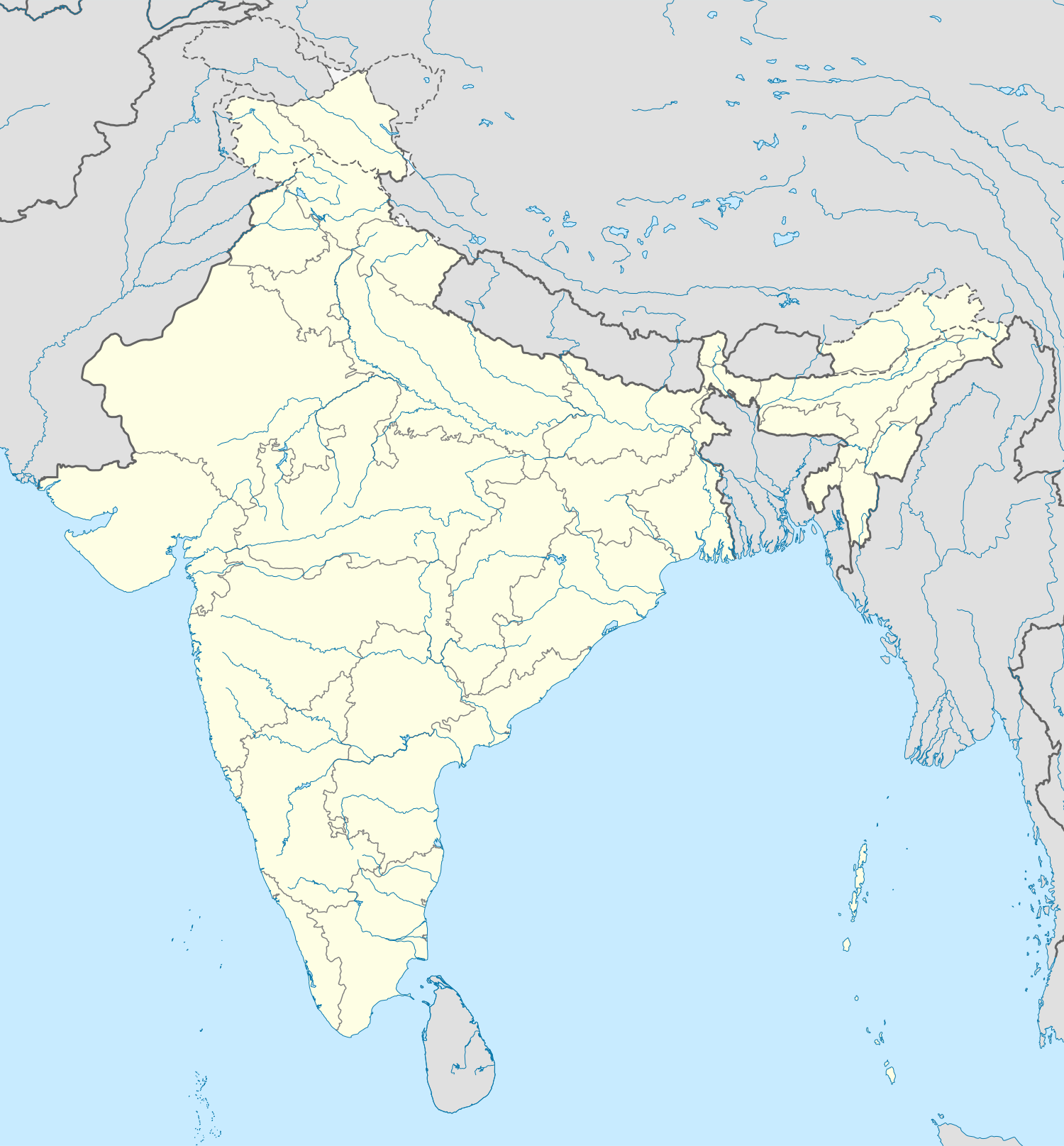 New Delhi
Nearby states
HaryanaUttar PradeshNew DelhiRegional places
Red FortQutub MinarNew DelhiRivers & relief
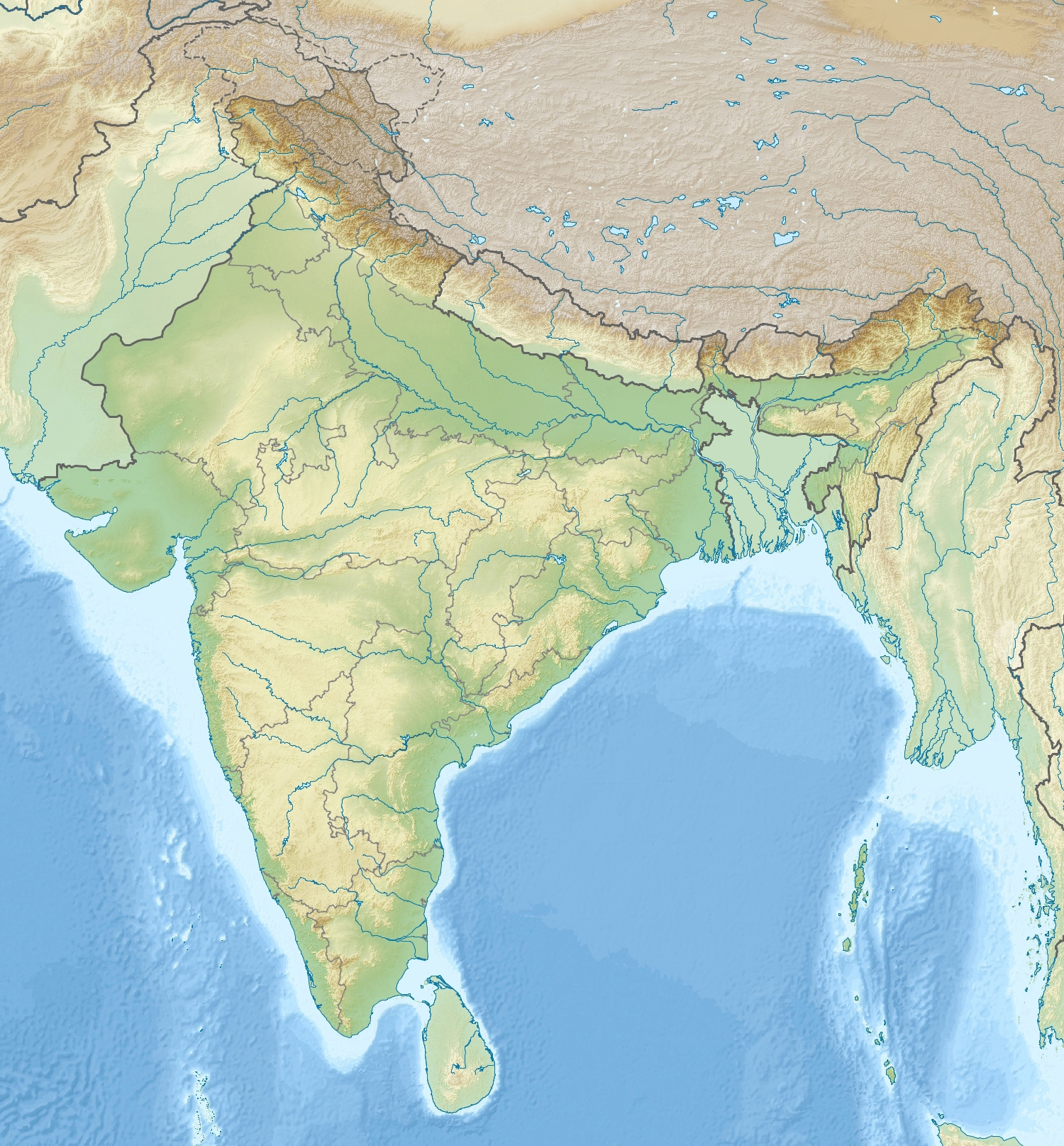 YamunaAravalli RidgeNew Delhi
NP / WLS nearby
Asola Bhatti WLSNew DelhiStates: Haryana · Uttar PradeshNearby: Red Fort · Qutub MinarPhysical: Yamuna · Aravalli RidgeProtected: Asola Bhatti WLS
📌 Why in News?
CURRENT **AFFAI****RS 35 **Tiger Landscapes, Bioeconomy and Ecotourism: From Fortress Conservation to Landscape-Based Livelihoods Category: Environment, Biodiversity and Sustainable Development | GS: GS Paper III | Date: 2 September 2026 WHY IN NEWS
- An international workshop in New Delhi on 2
- 3 September 2026 placed tiger landscapes, conservation, bioeconomy and ecotourism within a single policy frame.
- It was jointly organised by the International Big Cat Alliance , Asian Development Bank and National Tiger Conservation Authority .
- The central policy shift is from protecting isolated tiger reserve s to manaGIng larger landscapes where wildlife, forests, corridors, villages, tourism, infrastructure and local economies interact.
- The issue is highly relevant to UPSC because tiger conservation is a gateway topic for protected areas, ecoloGIcal corridors, human-wildlife conflict, ecosystem services, community rights, nature finance and sustainable tourism. TOP DATA & FACTS FOR UPSC u Workshop theme: Tiger Landscapes
- Conservation, bioeconomy and ecotourism for Livelihood and Income Generation. u Organisers included IBCA , ADB and NTCA under the Ministry of Environment, Forest and climate change ecosystem. u Tigers are apex predators and umbrella species: conserving viable tiger landscapes protects large habitats and many co-occurring species. u Project Tiger was launched in 1973 , making tiger conservation one of India's longest-running species-focused programmes. u NTCA is the statutory body associated with tiger conservation under the Wildlife (Protection) Act framework. u Tiger reserve s are managed through core/critical tiger habitats and buffer/peripheral areas, with landscape connectivity increasingly important. u EcoloGIcal corridors permit dispersal, gene flow and recolonisation between habitat patches. u bioeconomy in a conservation landscape can include sustainable non-timber forest produce, nature tourism, restoration employment, local crafts and ecosystem-service-linked livelihoods. u ecotourism is sustainable only when ecoloGIcal carrying capacity , waste, water, traffic and benefit sharing are governed. u Nature-positive finance seeks investment outcomes that halt or reverse biodiversity loss rather than merely reducing carbon emissions. HISTORICAL PERSPECTIVE
- Colonial hunting and habitat conversion severely depleted India's tiger populations.
- Independence-era conservation gradually shifted from game management to wildlife protection.
- Project Tiger , launched in 1973 , created a dedicated institutional and financial framework for tiger reserve s.
- The Wildlife (Protection) Act, 1972 became the backbone of species and protected-area regulation
- later amendments strengthened tiger-related institutions.
- The 2005 Sariska tiger disappearance became a governance shock, highlighting poaching, monitoring failures and the need for stronger institutions.
- Subsequent reforms strengthened NTCA , monitoring, reserve management and landscape approaches.
- Camera traps, genetic tools and spatial analysis improved population assessment.
- Contemporary conservation increasingly recognises that wildlife moves outside protected-area boundaries, making corridors and community landscapes central. ECONOMIC, GEOGRAPHICAL & ENVIRONMENTAL PERSPECTIVE
- Tiger landscapes generate ecosystem services including watershed protection, carbon storage, soil conservation, pollination support and climate regulation.
- Their economic value extends far beyond tourism receipts.
- Well-managed ecotourism can create jobs in guiding, homestays, transport, food, handicrafts and conservation services.
- But leakage to outside operators can leave local communities with costs while profits exit the landscape.
- bioeconomy models can diversify income away from destructive extraction.
- Examples include value-added forest produce, honey, medicinal plants, bamboo, handicrafts and restoration enterprises, subject to sustainable harvest rules.
- Geographically, many tiger landscapes span State borders and multiple land tenures. corridors can pass through revenue forests, farms, highways, railways and settlements, making land-use planning essential.
- Environmentally, road widening, mining, transmission lines and linear infrastructure can fragment habitat.
- Mitigation measures such as wildlife overpasses, underpasses and route realignment should be based on movement data.
- Tourism has a carrying-capacity problem.
- Excess vehicles, noise, resort groundwater extraction, waste and construction can degrade the very ecosystem that attracts visitors.
- Nature finance can mobilise capital for restoration and livelihoods, but biodiversity credits and offsets must not become licences to destroy irreplaceable habitat elsewhere. SOCIAL PERSPECTIVE
- Forest-dwelling communities often bear opportunity costs of conservation through crop loss, livestock depredation, access restrictions and relocation pressures.
- Conservation leGItimacy improves when compensation is timely, rights are respected and local people receive a visible share of tourism and restoration benefits.
- Voluntary relocation from critical habitats must remain genuinely voluntary, adequately compensated and livelihood-secure.
- Traditional ecoloGIcal knowledge can improve fire management, species monitoring and sustainable harvest practices.
- Human-wildlife conflict should be treated as a governance and livelihood issue, not simply an animal-control problem. POLITICAL & GOVERNANCE PERSPECTIVE
- Wildlife conservation involves Union leGIslation but implementation depends heavily on States, forest departments, district administrations and local institutions.
- Landscape conservation requires coordination beyond protected-area boundaries, including highways, railways, mining, power and rural-development agencies.
- International cooperation is increasingly relevant because big-cat conservation involves transboundary landscapes, illegal wildlife trade and shared technical knowledge.
- IBCA can potentially position India as a provider of conservation expertise, training and South-South cooperation. EXAMPLES, CASE STUDIES & **ANSWER-**WRITING VALUE
- Example: the Central Indian tiger landscape demonstrates why reserves cannot be ecoloGIcal islands.
- Tigers disperse between protected areas through forest patches and multi-use landscapes, making corridor integrity central to population viability.
- Road ecology perspective: mitigation structures work only when placed where animals actually cross.
- Generic underpasses built for compliance can fail if location, dimensions, fencing and approach habitat are poorly designed.
- Livelihood perspective: a village that loses crops to wild herbivores or livestock to carnivores experiences conservation as a household economic cost.
- Timely compensation converts a diffuse public benefit into a more equitable arrangement.
- Tourism perspective: high-value, low-volume models may produce better conservation outcomes than maximising visitor numbers.
- Local homestays and guides can retain more income locally than enclave-style resorts.
- Forest-rights perspective: conservation must be harmonised with lawful community and individual rights.
- Durable protection is more likely when local institutions participate in decisions and benefit from ecosystem restoration.
- Climate perspective: connected landscapes allow species to shift ranges as temperature and rainfall patterns change. corridors are therefore climate-adaptation infrastructure for biodiversity.
- Finance perspective: restoration funding should pay for additional ecoloGIcal improvement
- native vegetation, corridor recovery, invasive-species control and watershed repair
- rather than merely relabel existing spending.
- Monitoring perspective: camera traps, genetic sampling, remote sensing and patrol data should be combined with independent evaluation.
- Population growth alone should not hide habitat fragmentation or conflict.
- Species-recovery perspective: a rising tiger count is encouraGIng but management must examine population distribution.
- A few source populations cannot compensate indefinitely for shrinking corridors elsewhere.
- Metapopulation resilience depends on multiple viable habitats connected enough for dispersal.
- Compensation-design perspective: payments should reflect real market loss and arrive quickly.
- Mobile reporting, geo-tagged evidence and local verification can reduce delay, but households without smartphones must retain offline access.
- Insurance-type mechanisms can supplement, not replace, State responsibility.
- EcoloGIcal-economics perspective: forests protect water supplies and reduce erosion for downstream farms and cities.
- Payment for ecosystem services can make these benefits visible, but monetisation should not imply that every ecoloGIcal value can be replaced by money.
- Tourism-governance perspective: reserve management should publish zone-wise visitor capacity, vehicle numbers and local revenue shares.
- Transparent data can reduce the pressure to maximise tourism receipts and help distinguish genuine ecotourism from wildlife-themed real-estate development.
- Example for answers
- Kanha-Pench landscape connectivity, road mitigation around wildlife corridor s, community homestays and rapid livestock-compensation programmes can be used to demonstrate how conservation outcomes depend on decisions outside the core protected area.
- Governance metric: success should be assessed through habitat quality, corridor functionality, conflict trends, prey abundance, local income and ecoloGIcal integrity, not tiger numbers alone.
- A balanced scorecard reduces the temptation to optimise one visible indicator.
- Urban-consumer perspective: tourism demand, wildlife media and conservation donations are generated partly by urban citizens, while rural communities bear many daily costs.
- Fair conservation finance should transfer a portion of that broader social willingness-to-pay toward frontline landscapes.
- Illegal-trade perspective: tiger conservation also requires intelligence against poaching and trafficking networks.
- Enforcement should target organised criminal chains, strengthen forensic capacity and coordinate across State and international borders. PROS / SIGNIFICANCE
- Landscape conservation protects biodiversity beyond reserve boundaries.
- ecotourism can align local income with habitat protection.
- bioeconomy creates alternatives to unsustainable extraction.
- Corridor protection improves genetic connectivity and climate adaptation.
- International partnerships can mobilise finance and technical capacity. CONS / CHALLENGES
- Poorly regulated tourism can commercialise and degrade wildlife habitats.
- Conservation restrictions can unfairly burden local communities.
- Green finance can encourage superficial offsetting without ecoloGIcal additionality.
- Linear infrastructure can fragment landscapes despite mitigation promises.
- Human-wildlife conflict can undermine public support if compensation is slow. WAY FORWARD
- Map and legally safeguard critical corridors using science-based land-use planning.
- Require cumulative ecoloGIcal assessment for clusters of roads, mines and transmission projects rather than project-by-project fragmentation.
- Set tourism carrying capacities and enforce limits on vehicles, construction, groundwater extraction and waste.
- Design local revenue-sharing models so communities receive predictable benefits from tourism and conservation finance.
- Use rapid, transparent compensation for crop and livestock losses, supported by diGItal claims but verified locally.
- Build bioeconomy value chains around sustainable harvest standards, local processing and producer ownership.
- Use nature finance for measurable restoration and connectivity outcomes, with independent ecoloGIcal verification.
- Treat tiger conservation as landscape governance integrating biodiversity, livelihoods, infrastructure and climate resilience. PRELIMS QUICK REVISION u Project Tiger : launched in 1973 . u NTCA is central to tiger-reserve governance. u Tiger is an apex predator and umbrella species. u corridors support dispersal and gene flow. u ecotourism is not synonymous with mass tourism u carrying capacity and local benefit sharing are essential. PROBABLE MAINS QUESTION Tiger conservation in India is increasingly a landscape-governance challenge rather than merely a protected-area challenge. Examine the role of corridors, local livelihoods, ecotourism and nature finance. SOURCES
- Sources used for factual grounding: PIB
- MoEFCC, International Workshop on Tiger Landscapes, 2 September 2026 .
🎯
Exam map
Syllabus & Relevance
Paper: GS Paper III
Theme: Environment, Biodiversity and Sustainable Development
🎯
Rapid revision
Prelims Quick Facts
Prelims facts will be updated soon.