Map focus
23.61°, 85.28° · maps only where geography mattersJharkhand
CountryIndia→StateJharkhand
India locator
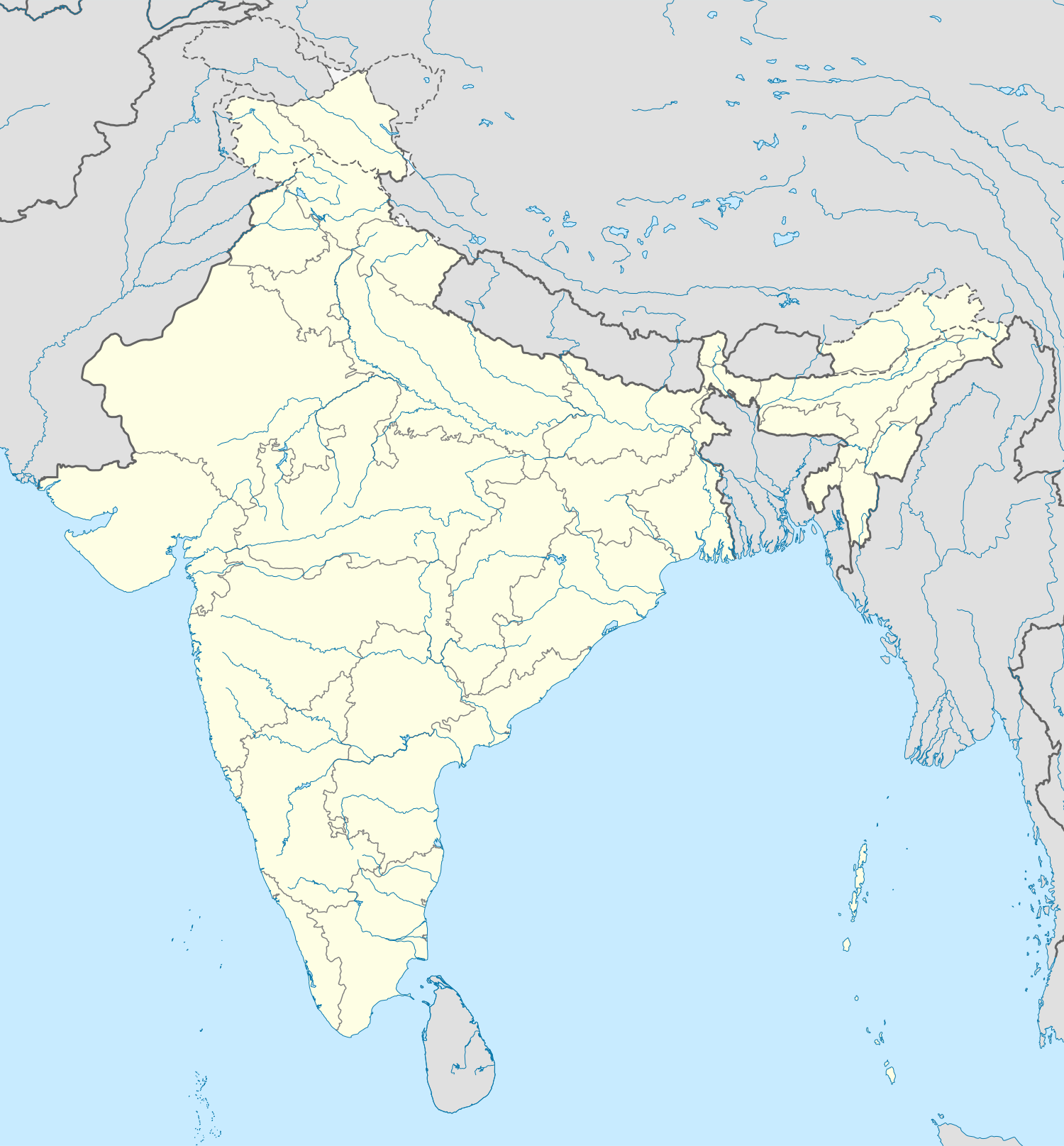 Jharkhand
Nearby states
BiharWest BengalOdishaChhattisgarhJharkhandRegional places
RanchiJamshedpurJharkhandRivers & relief
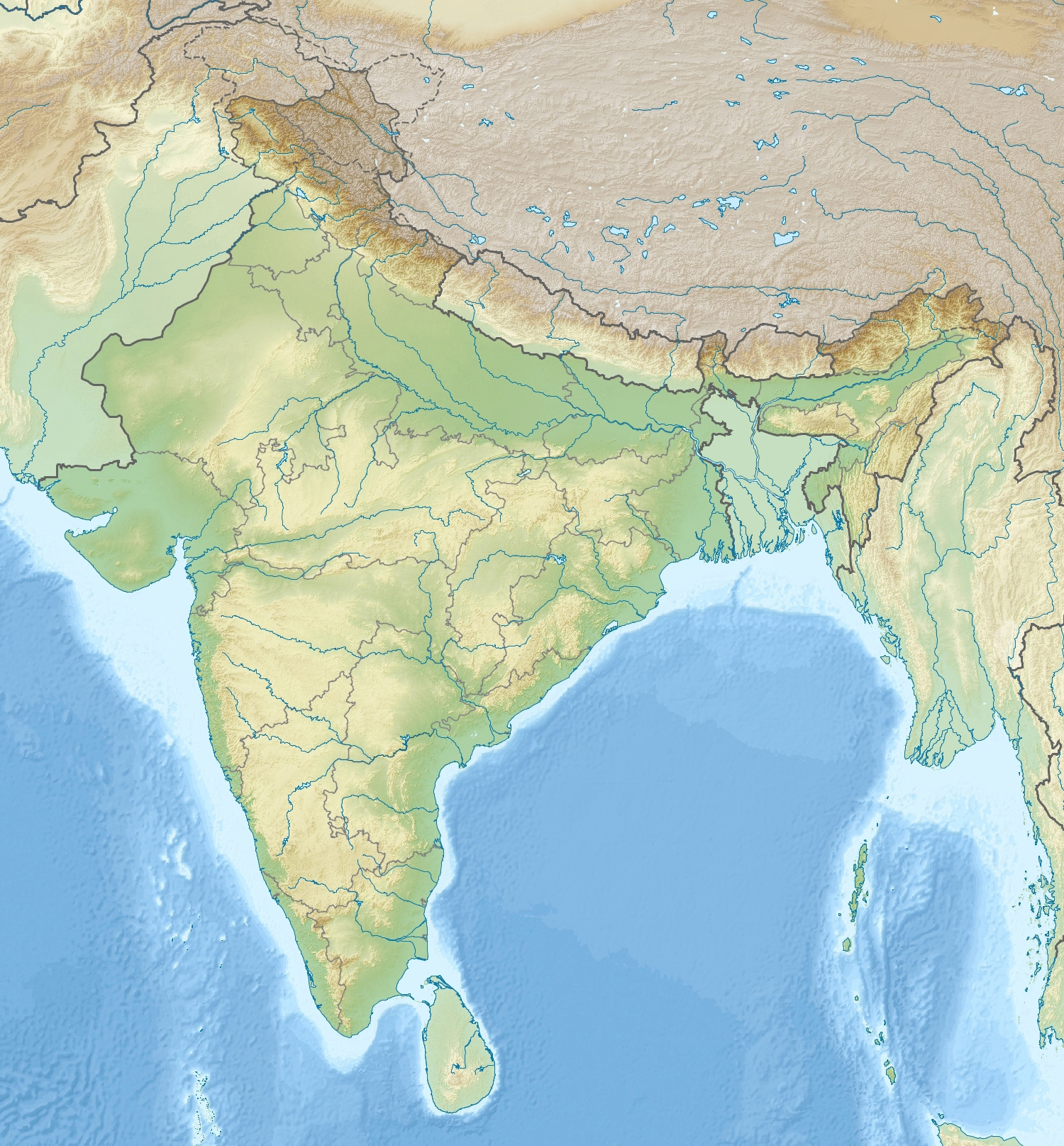 DamodarChota Nagpur PlateauJharkhand
NP / WLS nearby
Dalma WLSBetla NPJharkhandStates: Bihar · West Bengal · Odisha · ChhattisgarhNearby: Ranchi · JamshedpurPhysical: Damodar · Chota Nagpur PlateauProtected: Dalma WLS · Betla NP
📌 Why in News?
Indian Railways Adopts Hybrid Annuity Model for Freight Railway Projects
Why in News?
- The Public Private Partnership Appraisal Committee under the Ministry of Finance has approved six proposed railway projects under the Hybrid Annuity Model.
- The projects together cover around 647 km.
- Four projects are located in Odisha, one in Telangana and one in Jharkhand.
- This marks the first major use of the highways-style HAM financing structure by Indian Railways for such railway infrastructure.
- The projects primarily serve freight movement involving coal, iron ore, bauxite, coke, fertilisers, cement and food grains.
- Further government approval and competitive bidding are still required before construction begins.
What is Hybrid Annuity Model?
- HAM is a Public-Private Partnership model combining government financial support, private financing, private construction and long-term contractual payments.
- Under the proposed railway model, government provides around 40% of the bid project cost during construction and the private concessionaire finances the remaining 60%.
- The private developer recovers its investment through scheduled annuity payments after commissioning.
- Indian Railways retains train operations, freight revenue, passenger revenue, traffic risk and tariff risk.
- The concessionaire is primarily responsible for construction, financing its share and specified maintenance obligations.
Why is it Called Hybrid?
- HAM combines features of the government-funded EPC model and privately financed concession models.
- Government provides substantial upfront funding while the private developer still invests significant capital.
- Demand risk is reduced for the private party, making projects more attractive to investors.
- The central principle is better allocation of risk rather than complete transfer of risk to the private sector.
EPC Model
- EPC stands for Engineering, Procurement and Construction.
- Government generally finances the project while the contractor builds the infrastructure and receives agreed payments.
- The contractor normally bears limited long-term demand risk.
- Government therefore bears most project-financing responsibility.
BOT Model
- BOT stands for Build-Operate-Transfer.
- The private developer generally builds, finances and operates the asset before transferring it according to the concession agreement.
- Depending on contract design, the developer may bear considerable demand, revenue and financing risk.
HAM Compared with EPC and BOT
- EPC involves higher government financing and lower private demand exposure.
- BOT can involve higher private financing and greater demand risk.
- HAM provides government construction support while requiring the private party to finance the remaining share.
- Annuity-based repayment reduces traffic uncertainty and seeks more efficient risk allocation.
Public-Private Partnership
- PPP is not the same as privatisation.
- Under PPP, government retains policy responsibility while private entities participate in financing and delivery.
- Private involvement can include capital, construction, engineering, maintenance and technology.
- Government continues to define public objectives, service conditions and the regulatory framework.
PPPAC
- PPPAC stands for Public Private Partnership Appraisal Committee.
- It functions under the Department of Economic Affairs, Ministry of Finance.
- It appraises major Central-sector PPP proposals.
- It examines financial structure, risk allocation, viability, public interest and contractual framework.
- A useful Prelims distinction is that PPPAC is associated with the Ministry of Finance, not NITI Aayog.
Project Scale
- Total proposed route length is around 647 km.
- Four lines in Odisha indicate strong emphasis on mineral-freight corridors.
- Telangana and Jharkhand projects also connect resource-rich and industrial regions.
- The combined project commitments extend over long concession periods, making lifecycle fiscal assessment important.
Why Freight Railways Matter
- Rail freight is critical for coal, iron ore, steel, cement, fertilisers, food grains, containers and petroleum products.
- Efficient freight movement can reduce logistics cost, road congestion, fuel consumption, travel time and supply-chain delays.
- Railway capacity directly affects the competitiveness of mining, manufacturing, exports and heavy industry.
Logistics Cost and Manufacturing
- Manufacturing competitiveness depends not only on labour and factory production costs but also on transport efficiency.
- Congested rail corridors can cause delayed freight trains, higher inventory costs, unreliable deliveries and greater warehouse requirements.
- Dedicated freight capacity can improve turnaround time, industrial reliability and port connectivity.
Why Private Capital is Needed
- India has very large infrastructure requirements across railways, highways, airports, ports, urban infrastructure and social sectors.
- PPP models can supplement public capital and spread expenditure across the project lifecycle.
- HAM reduces private-sector demand risk and can improve investor interest.
- Predictable annuity payments may attract infrastructure funds, institutional investors and long-term lenders.
Traffic Risk
- Traffic risk is uncertainty about how much freight or passenger traffic a project will receive.
- Under the proposed railway HAM structure, traffic risk remains with Indian Railways.
- The concessionaire receives contractual annuity payments rather than depending directly on freight volumes.
- Railway demand can vary with mining output, commodity cycles, freight tariffs, policy changes and industrial production.
- Reducing this uncertainty can lower financing cost and investor hesitation.
Advantages of HAM
- Government does not need to finance the entire project cost upfront.
- Private capital and construction expertise participate in infrastructure creation.
- Private developers have contractual incentives for timely completion and maintenance.
- Traffic risk is placed with Indian Railways, which can manage network-wide demand better.
- Lower private demand exposure can improve bankability and reduce risk premiums.
HAM is Not Free Infrastructure
- Government still bears substantial expenditure.
- It provides construction-period support and later makes annuity payments.
- Future annuity obligations create fiscal commitments.
- HAM therefore shifts part of expenditure across time rather than eliminating public cost.
- Fiscal analysis must consider present expenditure, future annuities and contingent liabilities.
Risk of Poor Project Selection
- Easy financing should not justify economically weak infrastructure.
- A project can be financially structured well but still produce low social or economic returns.
- Appraisal must assess freight demand, industrial activity, alternative routes, environmental effects and lifecycle cost.
- Success should be measured through actual logistics and productivity gains rather than kilometres constructed.
Land Acquisition
- Railway projects require long linear land corridors and may face compensation disputes, rehabilitation issues, forest clearance, tribal-rights questions and litigation.
- Odisha and Jharkhand contain mineral-rich regions, forests, Scheduled Areas and significant tribal populations.
- Land acquisition therefore requires legal safeguards, fair compensation, rehabilitation and respect for community rights.
Environmental Dimension
- Rail freight can be more energy-efficient than equivalent long-distance road freight.
- Electrified railways can reduce diesel use, highway congestion and freight emissions.
- New lines can nevertheless affect forests, wildlife corridors, drainage and agricultural land.
- Environmental appraisal must consider both construction impacts and long-term modal-shift benefits.
Dedicated Freight Corridors
- India's freight strategy already includes the Eastern Dedicated Freight Corridor and Western Dedicated Freight Corridor.
- Dedicated freight infrastructure separates major freight traffic from congested passenger routes.
- This can increase speed, reliability and network capacity.
- HAM railway projects can complement the wider freight-corridor strategy.
PM GatiShakti Linkage
- PM GatiShakti promotes integrated infrastructure planning across railways, highways, ports, industrial corridors and logistics parks.
- Poor coordination can create missing last-mile links, duplicated investments and underused assets.
- Railway HAM projects should therefore connect effectively with ports, mining regions, highways and industrial zones.
Viability Gap Funding
- Viability Gap Funding supports eligible infrastructure projects that are socially desirable but not sufficiently commercially viable on their own.
- Government financial assistance can make such projects bankable.
- VGF and HAM are not identical: HAM is a specific construction-plus-annuity financing structure.
Infrastructure Investment Trusts
- InvITs allow infrastructure assets to be pooled and opened to investors.
- They help monetise revenue-generating assets, recycle capital and attract institutional investment.
- InvITs form part of India's wider infrastructure-financing ecosystem alongside PPPs, HAM and other mechanisms.
Key Challenges
- Future fiscal burden from annuity payments.
- Cost escalation and construction delays.
- Land acquisition and environmental clearances.
- Construction-quality and maintenance monitoring.
- Weak traffic estimation and contract disputes.
- Renegotiation risk and excessive concentration among private concessionaires.
- Possibility of politically attractive but economically weak projects.
Way Forward
- Use realistic freight projections and rigorous economic appraisal.
- Publish lifecycle project costs and disclose future annuity obligations.
- Strengthen independent engineering and maintenance audits.
- Define construction, land, financing and force-majeure risks clearly in contracts.
- Integrate projects with PM GatiShakti and existing freight corridors.
- Protect tribal, forest and rehabilitation rights during land acquisition.
- Use digital project monitoring and transparent procurement.
- Measure success through freight volumes, logistics savings, reliability and productivity.
Prelims Quick Revision
- HAM means Hybrid Annuity Model.
- Under the proposed railway structure, government support during construction is around 40% and private financing around 60%.
- Traffic and tariff risk remain primarily with Indian Railways.
- PPPAC is the Public Private Partnership Appraisal Committee under the Department of Economic Affairs, Ministry of Finance.
- Six railway HAM proposals cover around 647 km.
- Four projects are in Odisha, one in Telangana and one in Jharkhand.
Probable Prelims Question
Consider the following statements: HAM combines public financial support with private financing; under the proposed railway HAM arrangement traffic risk remains primarily with Indian Railways; HAM has previously been used extensively in highway infrastructure. Correct understanding: all three capture the essential features relevant to the present development.
Probable Mains Question
Hybrid Annuity Model can improve private participation in railway infrastructure, but sound risk allocation and lifecycle fiscal discipline remain essential. Examine.
🎯
Exam map
Syllabus & Relevance
Paper: GS Paper III
Theme: Economy and Infrastructure
🎯
Rapid revision
Prelims Quick Facts
Prelims facts will be updated soon.