Rajasthan
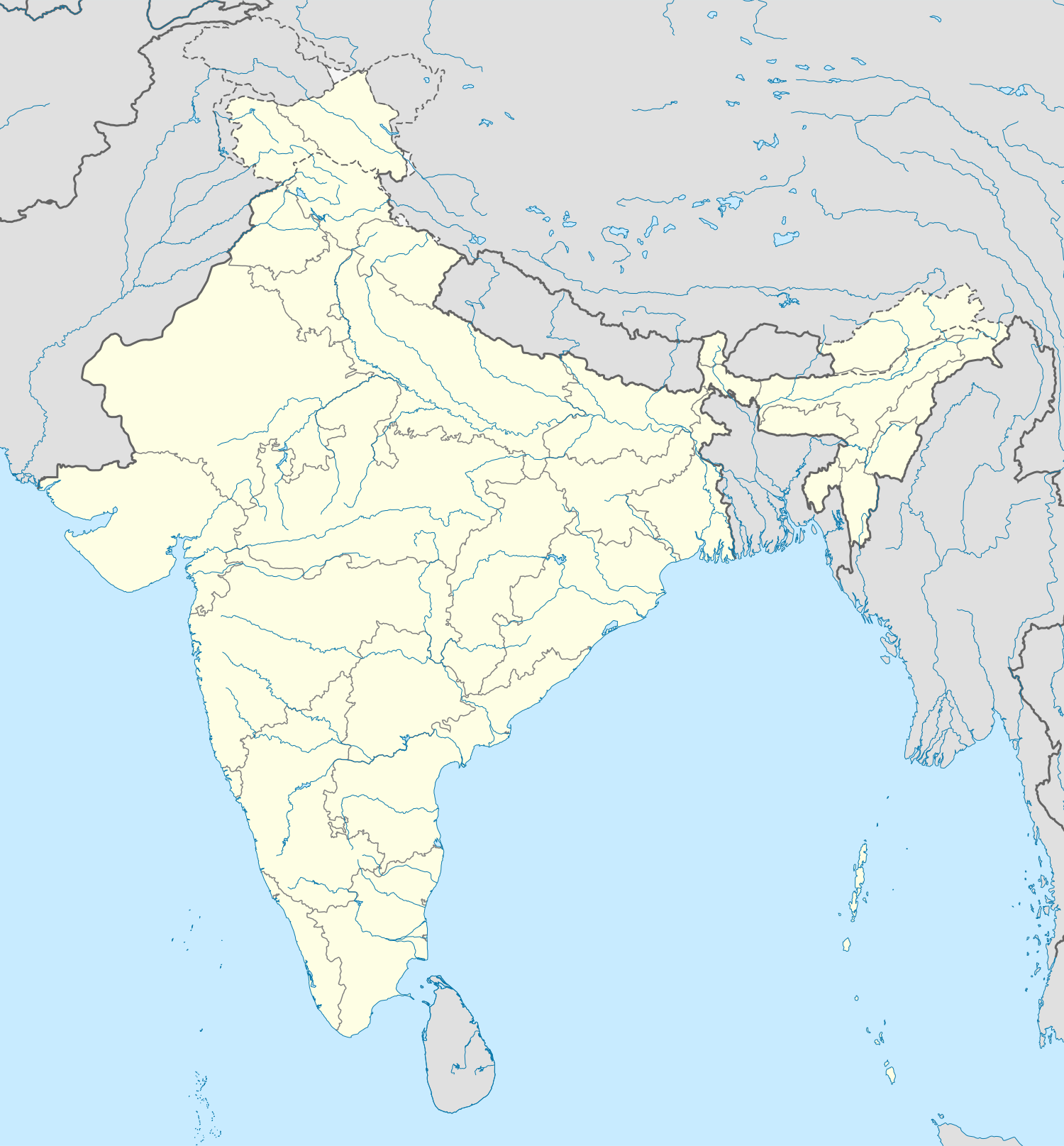 RajasthanGujaratHaryanaMadhya PradeshUttar PradeshRajasthanJaipurJaisalmerRajasthan
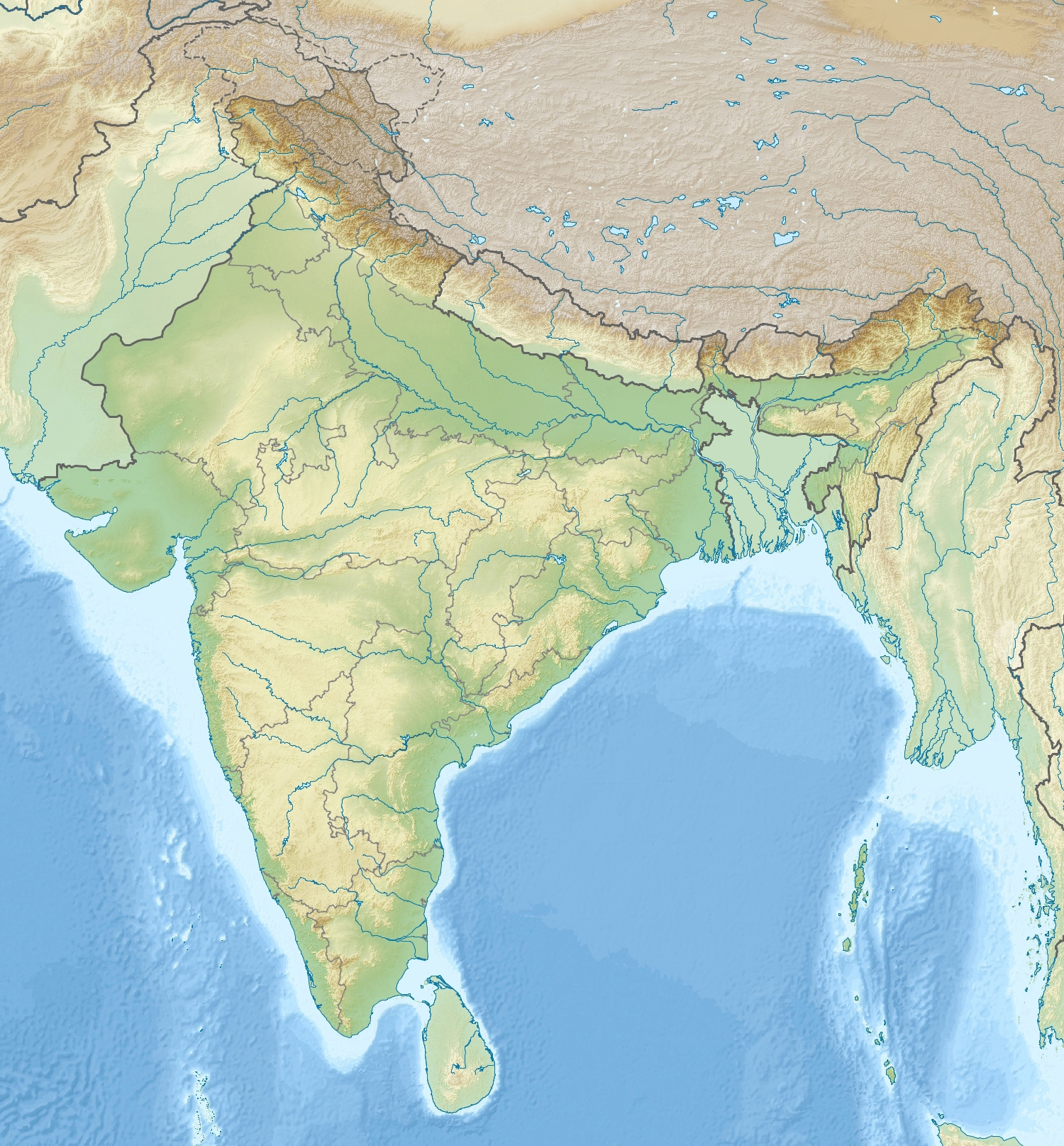 Aravalli RangeThar DesertRajasthanRanthambore NPKeoladeo NPRajasthan
📌 Why in News?
On 1 April 2026, the Ministry of Petroleum and Natural Gas mandated that all fuel stations across India dispense petrol blended with up to 20 % anhydrous ethanol (E20) having a minimum Research Octane Number of 95, after a February 17 2026 notification. The move, aimed at cutting fossil fuel imports and boosting renewable energy, instantly eliminated unblended (E0) fuel from retail pumps. However, about 77 % of the country's ~310 million petrol vehicles – chiefly pre‑2023 two‑wheelers – are not engineered for E20, leading to reported mileage drops, higher maintenance, and fuel‑system corrosion. Tests across 21 states uncovered chloride levels far above the 3 ppm safety ceiling and water content exceeding 13 000 ppm, intensifying public and industry concerns.
Syllabus & Relevance
Prelims – Environment & Ecology (GS II, Paper III)
GS‑3 – Energy Security, Renewable Energy, and Fuel Quality Standards
Link – Current policy (E20 mandate) ↔ static concepts of biofuel blending, fuel octane, and vehicle emissions norms
Why it matters for India
The E20 mandate directly impacts India's energy import bill, rural ethanol producers, and the automotive sector.
Over 240 million legacy vehicles face efficiency loss and repair costs, raising consumer‑protection and equity issues.
Successful rollout influences India's commitments under the Paris Agreement and its target of 20 % ethanol blending by 2030.
Static Foundation
Ethanol‑blended petrol (EBP) programme seeks renewable fuel substitution.
Anhydrous ethanol reduces energy density by ~30–35 % compared to pure petrol.
Research Octane Number (RON) measures fuel's anti‑knock resistance; higher RON improves combustion stability.
Real Driving Emissions (RDE) norms, applicable post‑April 2023, require ethanol‑compatible power‑train components.
Ethanol is hygroscopic and corrosive, prone to phase separation and metal corrosion.
Nitrile rubber (NBR) components swell in ethanol‑rich environments, leading to leaks.
Bio‑fuel transition experiences similar challenges in Brazil’s flex‑fuel model.
Data, Reports, Cases & Examples
~240 million legacy vehicles (~77 % of the ~310 million petrol fleet) not E20‑compatible.
66 % of pre‑2023 vehicle owners report >10 % mileage loss; 55 % cite higher maintenance.
Organic chloride levels: 6–570 ppm in Rajasthan, up to 420 ppm in Delhi (safety ceiling 3 ppm).
Water content in retail storage: 12 500 ppm in Uttar Pradesh, 13 000 ppm in Andhra Pradesh.
Mandatory E20 sale effective 1 April 2026; notification issued 17 Feb 2026.
BS 6 Phase 2 RDE‑compliant vehicles only those manufactured after April 2023.
Prelims Quick Facts
E20 fuel contains 20 % anhydrous ethanol and must meet a minimum RON 95.
Around 77 % of India’s petrol fleet (≈240 million vehicles) are legacy models not engineered for E20.
Consumer surveys show >10 % mileage loss for over 66 % of pre‑2023 vehicle owners.
Fuel quality tests revealed chloride concentrations up to 570 ppm, far exceeding the 3 ppm limit.
Water ingress in storage tanks reached 13 000 ppm, causing phase‑separation and corrosion.
Only vehicles built after April 2023 comply with BS 6 Phase 2 RDE norms with ethanol‑compatible components.
Trap 1: The mandate does not eliminate ethanol’s lower energy density; fuel economy still drops despite higher RON.
Trap 2: Dual‑dispensing options are not currently mandated, limiting consumer choice for legacy vehicles.
Mains-only layer✍️ Open Mains Perspective & Answer FrameworkClick to expand ↓
Mains Perspective
Background
India’s E20 mandate, effective 1 April 2026, aims to replace 20 % of petrol with domestically produced anhydrous ethanol, targeting energy security and decarbonisation. The policy accelerates the original 2030 timeline.
Significance
The shift cuts crude‑oil import dependence, creates a market for sugarcane‑ and grain‑based ethanol, and aligns with the Paris Agreement. A minimum RON 95 is intended to offset ethanol’s lower energy density.
India‑specific Implications
- Over 240 million legacy two‑wheelers face >10 % mileage loss and higher maintenance.
- Ethanol‑related fuel‑system corrosion threatens vehicle durability and public safety.
- Rural ethanol producers stand to gain, but quality‑control failures (chloride, water) jeopardise the supply chain.
Challenges and Criticisms
- Absence of an inter‑ministerial fleet‑compatibility assessment.
- No dual‑fuel dispensing; consumers lack an E0/E10 fallback.
- Technical issues: phase‑separation, NBR component degradation, filter clogging.
- Consumer‑equity concerns: older‑vehicle owners bear repair costs without cheaper alternatives.
Way Forward
- Mandate dual‑fuel pumps with clear blend‑percentage & RON labeling.
- Promote certified retrofit kits (ethanol‑proof hoses, water‑separating filters).
- Enforce batch‑level quality audits to keep chloride < 3 ppm and moisture low.
- Conduct multi‑year real‑world fleet trials, drawing lessons from Brazil’s flex‑fuel experience.
Answer Framework
Introduction (≈35 words): India’s mandatory E20 rollout from 1 April 2026 seeks to slash fossil‑fuel imports and promote renewable ethanol, yet it confronts technical and equity challenges.
Body (≈110 words): The policy mandates 20 % ethanol (minimum RON 95) across all pumps, accelerating the original 2030 target and supporting domestic ethanol producers. However, about 77 % of the ~310 million petrol fleet—mainly pre‑2023 two‑wheelers—are not engineered for E20, leading to >10 % mileage loss for two‑thirds of owners, higher maintenance, and fuel‑system corrosion. Field tests reveal chloride levels up to 570 ppm and water content exceeding 13 000 ppm, breaching safety norms.
Conclusion (≈25 words): Balancing biofuel ambition with consumer protection requires dual‑fuel dispensing, robust quality monitoring, and retrofitting incentives to sustain the green transition.
Possible Mains Question
Why is India accelerating its shift towards the E20 fuel mandate? Discuss its expected advantages and the key challenges in its implementation.